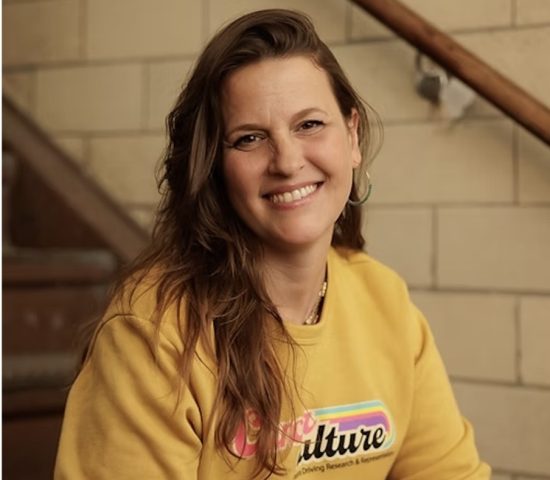
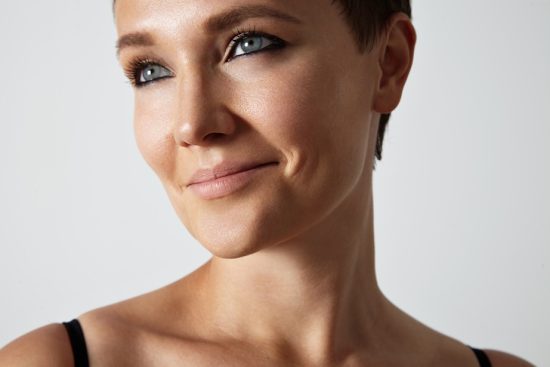
Diagnosed in 2013 while breastfeeding her youngest daughter, she underwent nine months of treatment, including chemotherapy, a double mastectomy and radiation. In 2022, she co-founded Cancer Culture with her friend and metastatic breast cancer patient, Beth Love, creating a patient-led nonprofit dedicated to raising funds for curative-intent Stage IV breast cancer research. Through music, art, activism and initiatives including Cancer Culture’s New York Fashion Week runway show, Rachel is helping turn personal stories into awareness, action and meaningful research funding.
Can you point to one event that triggered your interest in your career?
Without question, being diagnosed with breast cancer in 2013 changed the direction of my life. I was breastfeeding my youngest daughter when I learned I had Stage III breast cancer. Suddenly, my world became about surviving for my two daughters which included aggressive treatments of chemotherapy, radiation and multiple surgeries. As a singer/songwriter and artist, I had always believed in the power of creativity as an outlet to express my feelings and to connect to others. Cancer advocacy was a part of me since I was diagnosed and when my breast friend Beth Love told me it was her lifelong dream to sing on stage with a band, we started a concert each year for survivors to sing on stage with a live band along with us. I saw first hand how music could provide joy and empowerment for other survivors as they transformed on stage during performance. It was giving those unique experiences to survivors and patients that led to survivor fashion shows and ultimately led to even advocacy and to co-founding Cancer Culture.
What steps did you take to begin your education or training?
My journey into cancer advocacy wasn’t through a traditional educational or professional path. It came through lived experience. Going through nine months of cancer treatment taught me things I never imagined I would need to know. I began to understand the challenges patients face, the emotional toll of a diagnosis and the critical need for research, especially for people living with metastatic disease.
I also learned the importance of listening to other patients and understanding their experiences. My background in music and art gave me a creative foundation for communicating those stories. Over time, I found ways to combine creativity, community building and advocacy to make a difference.
Along the way, were people encouraging or discouraging?
I’ve been fortunate to meet extraordinary people who have encouraged and inspired me, especially within the breast cancer community. We truly create these experiences for patients to have life changing and empowering experiences that give them hope to thrive and to advocate themselves. There is an incredible bond among people who have faced this disease. We understand one another in ways that are difficult to explain.
At the same time, advocacy can be challenging because you’re constantly confronting difficult realities. It can be frustrating to see how much attention breast cancer awareness receives while people with metastatic disease are still dying. There is so much disinformation out there that even health professionals at time believe that breast cancer is almost cured. That couldn’t be further from the truth-more people die every year from breast cancer. But frustration motivates me. Working alongside people who share the same determination and are metastatic patients themselves who rely on research breakthroughs to live has been incredibly motivating to keep going.
Did you ever doubt your decision and attempt a career change?
I never imagined that cancer advocacy would become such an important part of my life’s work. I was a singer/songwriter and artist long before I became a breast cancer advocate, and creativity remains a big part of who I am.
Rather than seeing advocacy as a career change, I see it as an extension of my creative life. Music, art and fashion are about expression, connection and making people feel something. Advocacy is very similar, however, my motivation is keep my friends alive and to fund research that will cure this disease before either of my daughters need to worry about a breast cancer diagnosis, so there is an even greater sense of urgency behind what I do. My goal is to use every platform available to make sure patients are heard and that research receives the support it desperately needs.
When did your career reach a tipping point?
A major turning point came in 2022 when I co-founded Cancer Culture with my friend Beth Love. We wanted to create something that went beyond traditional breast cancer awareness. We wanted to build a community where patients had a voice and where the ultimate goal was funding research that could lead to cures for metastatic breast cancer.
Seeing Cancer Culture grow and watching initiatives like our New York Fashion Week runway show bring patients, supporters, advocates and research together has been incredibly meaningful. The runway isn’t simply about fashion. It’s about giving people a platform, celebrating their strength and reminding the world why we urgently need to find and fund better treatments and cures.
Can you describe a challenge you had to overcome?
My greatest personal challenge was going through breast cancer treatment while being a mother. I was diagnosed while breastfeeding my youngest daughter, at a time when I should have been focused on raising my children and enjoying my family. Instead, I was facing chemotherapy, a double mastectomy and radiation. Later, I underwent a total hysterectomy for preventive reasons and to address treatment-related side effects.
But one of the most difficult parts of being involved in the breast cancer community is losing friends to this disease. You form incredibly close relationships, and then you watch people you love face a diagnosis that still has no cure. That is heartbreaking, and it’s why I refuse to accept the status quo. We need to do better for people living with Stage IV breast cancer.
What single skill has proven to be most useful?
I would say the ability to connect with people and meet people where they are. As an artist and songwriter, amplifying others and giving them a platform to express themselves, take up space and be vulnerable has an enormous amount of healing power. I’ve always understood that vulnerability is almost a portal to empowerment, so to give a patient the ability to walk a runway baring their scare, telling their stories or singing on stage has the ability not only to transform a patient from pain to power but also to move the audience emotionally. In advocacy, that skill is invaluable.
Once you hear directly from someone living with metastatic breast cancer, you understand their fears, hopes and determination to keep living, and suddenly the issue becomes personal. I believe that sharing authentic patient stories is one of the most powerful ways to inspire people to get involved, support research and demand change.
What accomplishment are you most proud of?
I’m incredibly proud of helping create Cancer Culture and seeing what we’ve been able to accomplish together. We have built a community that puts patients at the center of the conversation and focuses on funding research with the potential to change lives.
One of our most meaningful initiatives is our New York Fashion Week runway show, where we give people affected by breast cancer an opportunity to be seen, celebrated and heard. It’s a powerful reminder that behind every diagnosis is a person with a family, dreams and a future worth fighting for.
I’m also proud that Cancer Culture directs 100% of donations to metastatic breast cancer research. Knowing that our work is helping fund research aimed at finding cures gives everything we do a deeper purpose.
Any advice for others entering your profession?
Find something you truly believe in and don’t be afraid to use your voice. You don’t need to follow a traditional career path to make a difference. Sometimes the experiences you never would have chosen become the very things that give your life new meaning.
I would also encourage people to listen, collaborate and never underestimate the power of community. No one creates meaningful change alone.
Most importantly, remember why you started. For me, it’s about the friends we’ve lost, the people who are still fighting and the future we want to create. I want to see a world where a Stage IV breast cancer diagnosis is no longer a death sentence. Until that happens, there’s more work to do.
To learn more go to www.cancerculture.org
Photo Credit: Cancer Culture