
Breast augmentation is one of those decisions people research quietly for years before saying a word about it out loud. And somewhere in all that late-night scrolling, the same nagging question tends to surface: am I even the right kind of person for this? There is a surprising amount of guesswork around that, and most of it is unnecessary. The real criteria are far more practical, and a lot less mysterious, than the internet makes them sound.
One thing is worth knowing upfront, because it genuinely shapes who this suits. According to the U.S. Food and Drug Administration, breast implants are not lifetime devices, and roughly one in five women who get them for cosmetic reasons will need them removed or replaced within eight to ten years. That is not a reason to rule yourself out. It is a reason to go in with clear eyes.
It Starts With Timing, Not Measurements
The first thing a surgeon looks at has nothing to do with cup size. It is whether your body and your life are settled enough for surgery to make sense right now. That means fully developed breasts, which rules out doing this too young, and a weight that has held steady for a while, since significant gain or loss afterward can change your result. It also means not being pregnant or breastfeeding, and not planning to be in the near future.
The Health Criteria That Actually Matter
Beyond timing, a short list of health factors comes up in nearly every consultation:
- Good general physical health, with no uncontrolled medical conditions.
- Not smoking, or a real willingness to quit well before your surgery date.
- Steady emotional health, which matters far more than most people expect.
- Realistic expectations about what implants can and cannot change.
None of these are arbitrary hurdles. Each one maps directly onto how well you heal and how happy you are a year later.
Why Your Tissue Matters More Than Your Age
This is where the assessment gets genuinely individual, and where people are often surprised by what they hear.
Skin Elasticity and Tissue Coverage
Your skin and existing breast tissue have to be able to support an implant. Very little natural tissue, or skin that has lost a lot of its elasticity, does not disqualify you. It simply narrows your sensible options, and it sometimes means a lift is the better answer, either on its own or combined with augmentation.
Your Frame, Not Your Goal Photo
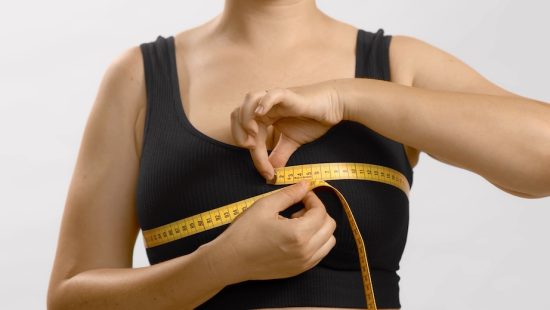
Chest width, shoulder proportion, and overall build all influence which implant sizes are likely to look balanced. A saved photo can help you explain the look you have in mind, but it cannot account for your own proportions or tissue coverage. If you are researching breast augmentation in Nashville, you may encounter Music City Plastic Surgery while comparing local practices. The important thing is to base the decision on your own anatomy rather than trying to match someone else’s results.
Reasons That Tend Not to Hold Up
Not every reason for considering surgery is a good one, and a careful surgeon will say so. Doing it because a partner suggested it rarely ends well. Neither does scheduling it in the middle of a divorce, a job loss, or any stretch where you are not quite yourself.
And if the hope is that a physical change will lift a broader unhappiness, that is worth sitting with first. The procedure is very good at one specific thing. It was never built to carry more than that.
What a Consultation Actually Involves
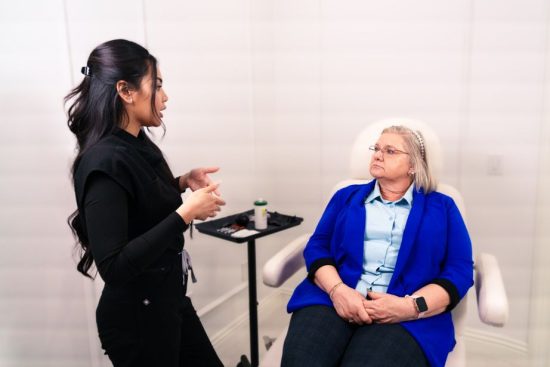
If you have read this far and still are not sure, that is completely normal, and it is exactly what a consultation is for. A good one is less a sales conversation than a measuring exercise.
Expect to be examined, to have your tissue quality and nipple position assessed, and to be told plainly whether implants alone will get you where you want to go. The useful outcome is not a yes. It is an accurate answer, including the version where the honest answer turns out to be not yet, or not this.
The Bottom Line
Plenty of people who assume they are not candidates turn out to be, while others discover that a different approach better fits their goals. An individual assessment is the only way to understand how your health, anatomy, and expectations factor into that decision.
For those researching breast augmentation in Nashville, the decision itself should come down to a clear discussion of suitability, risks, and alternatives. The goal is to understand your options before deciding whether surgery is right for you.
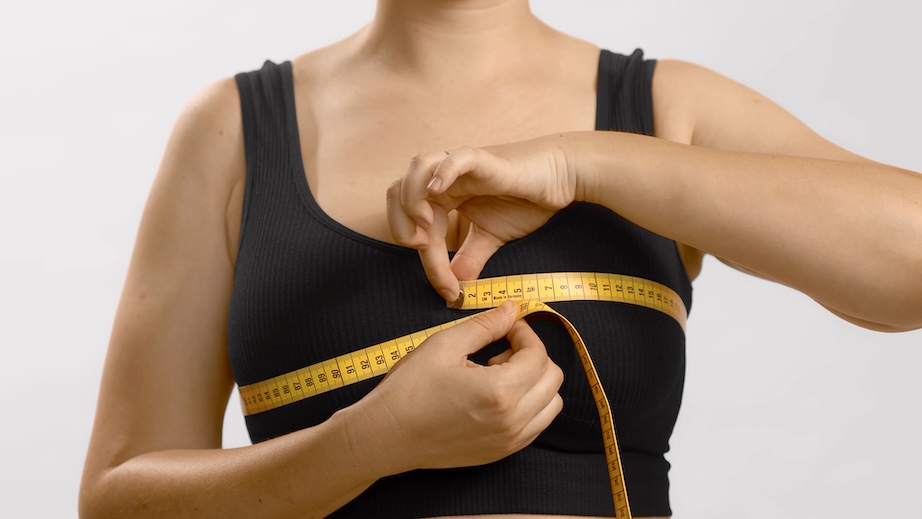
Image by Anastasia Kazakova on Magnific
Contributed posts are advertisements written by third parties who have paid Woman Around Town for publication.