

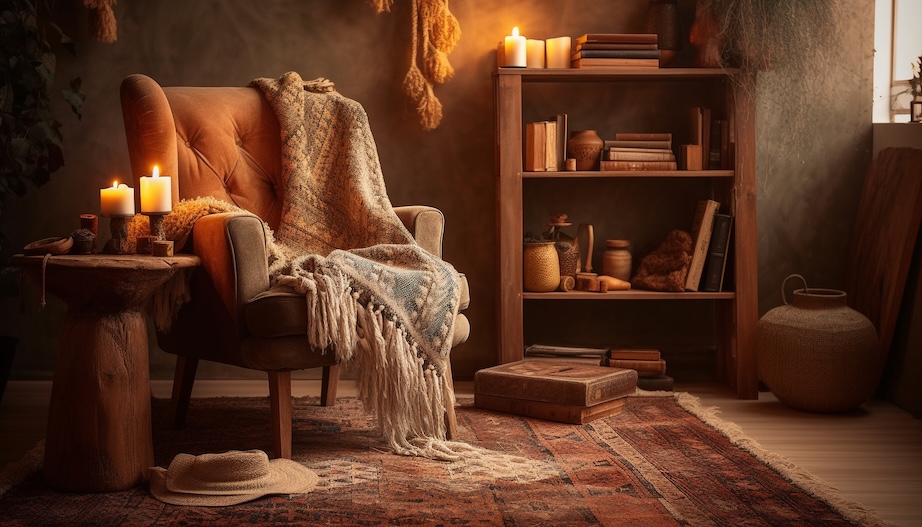
Some homes feel inviting the moment you walk through the door. It rarely comes down to square footage, expensive furniture, or a perfectly coordinated color scheme. More often, coziness grows from smaller choices: the glow of a lamp, a soft rug underfoot, or curtains that make a room feel pleasantly tucked away.
Fortunately, you don’t need to redecorate from scratch. A few thoughtful changes can turn even a plain room into somewhere you genuinely want to spend time. Here are eight details worth considering.
1. Use Texture to Soften the Room
Texture adds warmth and keeps a room from feeling flat. Smooth walls, hard flooring, glass tables, and sleek cabinetry can look beautiful, but too many hard surfaces can make a space feel slightly cold.
Bring in softer materials to create contrast. A knitted throw over the arm of a sofa adds an immediate sense of comfort, while velvet cushions, linen upholstery, woven baskets, and natural wood introduce different finishes without requiring major changes.
You don’t need every surface to have a different texture. Instead, look at the areas that feel bare and add softness where it makes sense. A bedroom might need an upholstered headboard and heavier bedding, while a living room could benefit from cushions and a throw.
2. Dress the Windows With Comfort in Mind
Bare windows can make a room look unfinished, particularly when the rest of the space contains plenty of soft furnishings. Curtains add fabric, movement, and another layer of visual warmth while also helping you control privacy and light.
Think about how the room feels at different times of day. Lighter fabrics can keep things bright and relaxed, while fuller curtains may create a more enclosed, intimate atmosphere in the evening. Length matters, too. Curtains that suit the proportions of the window and room will usually look more considered than fabric that finishes at an awkward point.
When choosing window furnishings, consider curtains alongside the practical pieces needed to hang and finish them. Terrys Fabrics’ range of curtains and accessories available at https://www.terrysfabrics.co.uk/collections/curtains-and-accessories makes it easy to dress your windows as a complete part of the room, not an afterthought.
3. Layer Your Lighting
A bright ceiling light has its uses, but it rarely creates the relaxed mood associated with a cozy home. Instead of asking one light source to do everything, spread several around the room.
Start with the jobs you actually do there. A floor lamp beside an armchair can make a reading corner more inviting. A table lamp on a sideboard adds a softer pool of light in the evening. Bedside lamps let you wind down without keeping the main light on.
Placement matters as much as the fixture itself. Lighting at different heights draws the eye around a room and makes large spaces feel more intimate. It also gives you more control over the atmosphere as daylight changes.
4. Put Something Soft Underfoot
Rugs have a practical role, but they also change the mood of a room. They soften hard floors, add texture, and visually gather furniture into a defined area.
In a living room, choose a rug large enough to connect the main pieces of furniture rather than leaving it floating alone beneath a coffee table. In the bedroom, place one where your feet naturally land when you get out of bed. Hallways can benefit from runners, especially if the space feels long or stark.
Pattern can add personality, but it isn’t compulsory. A simple textured rug can add just as much warmth without competing with other décor.
5. Bring in Warm-Toned Details
You don’t have to paint every wall beige to make a home feel warmer. Small accents in earthy, muted shades can shift the mood while letting you keep an existing color scheme.
Think rust, terracotta, caramel, warm cream, muted gold, or deep brown. These shades can show up in cushions, artwork, ceramics, blankets, lampshades, and other smaller pieces. Even a few touches can make cooler gray or white interiors feel less stark.
Look at undertones rather than following a strict palette. If a new accessory seems harsh beside your furniture or walls, try a softer version of the same color.
6. Create Small Areas With a Purpose
Cozy rooms often have places that invite you to settle in. Instead of treating the whole room as one large arrangement, create smaller areas around everyday activities.
An empty corner could become a reading spot with a chair, lamp, and small table. A window seat might need only a cushion and blanket to become a spot for morning coffee. Even a side table next to your favorite place on the sofa can make that part of the room feel more usable.
These areas work because they reflect real life. Comfort feels much more convincing when a room supports the way you spend your time.
7. Add Signs of Life
A home can be beautifully decorated and still feel impersonal. Family photographs, books you actually read, artwork collected over time, plants, travel finds, and handmade objects give a room its identity.
Resist the temptation to fill every empty surface. A smaller collection of meaningful pieces usually has more impact than rows of decorative objects chosen simply to occupy space.
Books are particularly useful because they bring color and texture without looking overly styled. Stack a few on a coffee table, keep favorites within reach of a chair, or mix them with personal objects on shelving.
8. Leave Room for Comfort
A cozy home doesn’t need to be packed with furniture and accessories. In fact, too much can have the opposite effect. When every wall, shelf, and tabletop is full, a room may start to feel busy rather than comforting.
Give furniture enough room to function and keep the main walking routes clear. Leave some surfaces relatively simple so the objects you love have space around them. If a room feels cluttered, remove a few pieces before buying anything new.
Comfort also comes from practicality. Keep blankets where you use them, put lamps within easy reach, and choose storage that makes everyday tidying straightforward. The room should work for you, not demand constant maintenance.
Final Thoughts
Coziness isn’t a decorating style with a fixed set of rules. It comes from creating rooms that feel warm, personal, and comfortable to live in. Texture, softer lighting, rugs, window treatments, warm colors, and meaningful objects all play their part, but the best choices will always reflect how you use your home.
Start with the room where you spend the most time and notice what feels missing. One softer light, a better-positioned rug, or an extra layer of fabric may be all it takes to make the space feel more welcoming. Small details often make the biggest difference.
Contributed posts are advertisements written by third parties who have paid Woman Around Town for publication.