
Think of the last time you looked at someone and thought, “Yep, they’ve definitely had work done.” Now think of everyone you walked past this week who has had a procedure and you had absolutely no idea. That second number is almost certainly bigger. You just can’t count it.
That’s the funny thing about natural-looking results: when facial plastic surgery goes well, nobody notices the surgery. They notice that you look rested, or happier, or that your new haircut really suits you. (It isn’t a haircut.)
Whether you’re browsing clinics on a drizzly Vancouver afternoon or simply curious about what’s possible, the big question usually boils down to one worry: will I still look like me? Let’s unpack why some results look “done,” and what today’s techniques are specifically designed to do differently.
Why Some Results Look “Done”
Overdone results rarely come from one dramatic mistake. They usually come from a few predictable habits that older approaches leaned on:-
• Pulling instead of lifting. When skin alone is stretched tight, you get that windswept, flat look around the cheeks and mouth.
• Overcorrecting. Removing too much fat under the eyes can leave a hollow look, and too much filler can create a puffy, “pillow” effect.
• Treating one feature in isolation. A nose, chin or eyelid changed without considering the rest of the face can look slightly out of place, even if the work itself is technically fine.
• Visible clues. Scars outside natural creases or an altered hairline can give the game away.
The good news? Modern techniques are built around avoiding each of these.
Patients Have Rewritten the Brief
Here’s a shift worth knowing about. In the American Academy of Facial Plastic and Reconstructive Surgery’s 2025 annual survey, surgeons projected a 19% increase in facial procedures, an estimated 1.6 million in total. Even more telling, members reported that patients’ biggest concern is no longer cost or downtime. It looks unnatural.
In other words, people aren’t asking to look different. They’re asking to look like a well-rested, slightly refreshed version of themselves. That expectation has pushed the entire specialty toward subtlety, planning and restraint.
What Modern Techniques Are Actually Designed to Do
There’s no single “natural” procedure. Instead, there’s a philosophy that shows up across different surgeries. Here’s how it plays out.
Lift the Foundation, Not Just the Wallpaper
Instead of tugging the skin tighter, deeper facelift approaches reposition the tissue layers underneath. Because the support structure moves back into place, the skin can sit naturally on top rather than being stretched. The result tends to look softer, and it often holds up better as you continue to age.
Preserve Before You Remove
Eyelid surgery used to focus heavily on removal. Today, many surgeons are more conservative, repositioning fat to smooth the transition between the lower lid and cheek rather than scooping it all out. Upper eyelid incisions sit in the natural crease, and lower lid work can sometimes be done from the inside of the lid, so there’s no visible scar.
Refine the Nose in Context
Modern rhinoplasty planning looks at the whole face: forehead, lips, chin and profile. The goal is balance and good breathing, not a borrowed nose from a celebrity photo. A smaller change that fits often looks better than a bigger change that doesn’t.
Replace What Time Has Taken
Faces don’t just sag; they also lose volume. Fat transfer, which moves a small amount of your own fat to areas like the cheeks or temples, can restore some of that softness. Used carefully, it supports a youthful shape without the overstuffed look.
Hide the Evidence
Incisions are planned around natural creases, behind the ears and along the hairline. This sounds minor, but it’s a big part of why good work goes unnoticed.
How Good Surgeons Plan for “Still You”
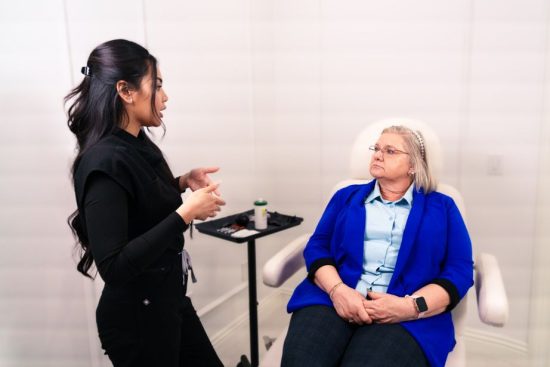
Natural results start long before the operating room, usually in an unhurried consultation. Expect a good surgeon to study your face from several angles, watch how it moves when you talk and smile, and ask what bothers you rather than handing you a menu.
Vancouver has no shortage of talented surgeons, which is great news but can also make choosing feel overwhelming. A good starting point is to look past the procedure list and read how each practice talks about its goals. Does it mention balance, proportion and your existing features, or does it lead with dramatic transformations? Is the surgeon’s training focused on the face, or spread across the whole body? When you’re weighing options for facial plastic surgery in Vancouver, small details like these often reveal how a team defines a good result. Jeunesse is one example of a practice dedicated entirely to the face, head and neck, with treatment plans built around each patient’s natural features. That kind of specialization is a helpful signal when “looking like myself” is your top priority.
Bringing photos of yourself from five or ten years ago can also help. They show what “refreshed” actually means for your face, rather than someone else’s.
Questions That Reveal a Natural-Results Mindset
Not sure how to tell if a surgeon shares your goals? Try asking:-
• How do you decide how much change is enough?
• Which features would you leave alone, and why?
• Can I see before-and-after photos of patients with a face similar to mine?
• Would a non-surgical or smaller option get me most of the way there?
• What will I look like in two weeks, two months and a year?
Listen for answers that talk about balance, proportion and your anatomy. Be cautious if every answer is “more.”
The Takeaway
Yes, and increasingly that’s the whole point. The best modern facial plastic surgery doesn’t announce itself. It works with your structure, keeps your expressions and leaves people wondering whether you just got back from a really good holiday. It’s also worth thinking long term. The most natural results often come from smaller, well-timed choices rather than one dramatic overhaul. A subtle refresh done at the right moment tends to blend in far better than trying to reverse decades in a single day.
If you’re considering a procedure, start with your own definition of natural, ask plenty of questions and choose a surgeon whose idea of success sounds like yours. Take your time, sleep on recommendations and notice how each consultation leaves you feeling. You should walk out feeling understood, not sold to. Done well, the only thing anyone should notice is you.
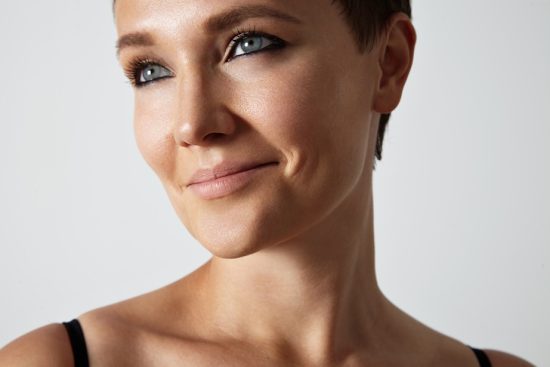
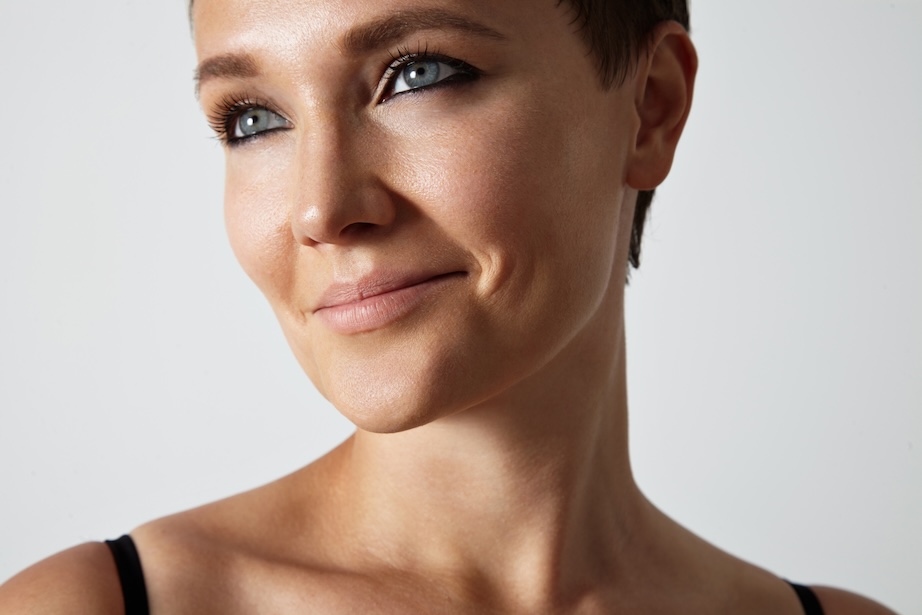
Image by Anastasia Kazakova on Magnific
Contributed posts are advertisements written by third parties who have paid Woman Around Town for publication.