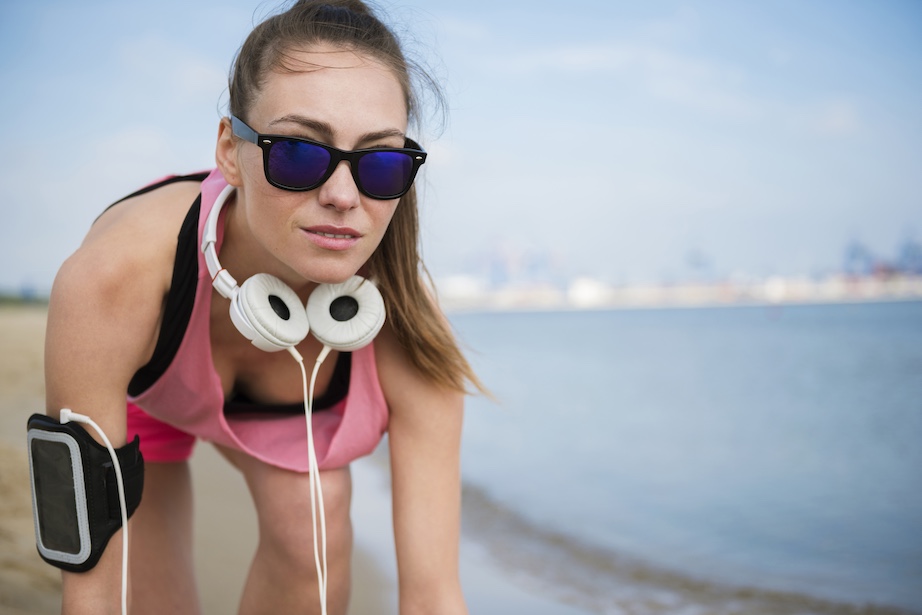
Most people pick workout sunglasses the same way they pick any other pair. They look good, the price is right, done. What they do not realize is that the wrong pair is quietly costing them reaction time, focus, and physical comfort every single session.
| Problem | What It Causes | What to Look For Instead |
| Poor lens quality | Distorted vision and slower reaction time | Polarised or sport-specific lens technology |
| Ill-fitting frames | Slipping, distraction, broken concentration | Wraparound fit with grip nose pads |
| Wrong lens tint | Reduced contrast and depth perception | Tint matched to workout environment |
| No UV protection | Eye fatigue and long-term damage | 100% UV400 protection minimum |
| Fashion frames during sport | Bouncing, fogging, zero peripheral coverage | Frames built for movement and sweat |
The Real Cost of Wearing the Wrong Sunglasses During a Workout
1. How Poor Lens Quality Affects Visual Performance During Exercise
Your eyes are processing information constantly during a workout. terrain changes, obstacles, other people, and your own movement. A lens that distorts light even slightly forces your brain to work harder to interpret what it is seeing.
Studies from the American Optometric Association show that visual fatigue during outdoor exercise is significantly higher when UV protection is inadequate. That fatigue shows up as slower reaction time, reduced depth perception, and earlier mental tiredness, none of which has anything to do with fitness level.
The lens is not a cosmetic feature. It is the performance component that the entire frame exists to hold in place.
2. Why Ill-Fitting Frames Break Concentration and Slow You Down
A pair of sunglasses that slides down your nose mid-run is not just annoying. Every time you push them back up, you break stride, lose focus, and interrupt the physical rhythm that performance depends on.
Research on attentional disruption shows that even small, repeated physical distractions during exercise reduce output over time.
A frame that moves is a frame that is competing with your training for attention, and it is winning more often than you think.
What Your Workout Sunglasses Should Be Doing
1. The Performance Features That Separate Sport Sunglasses From Regular Ones
Sport sunglasses are built around three things regular sunglasses are not grip, coverage, and optical stability during movement. Grip pads on the nose and temple tips keep the frame in place when sweat builds.
Wraparound coverage protects peripheral vision that standard frames leave exposed. Optical stability means the lens does not shift or vibrate during high-impact movement.
A regular fashion frame has none of these features by design. It is built to sit still on a face that is also sitting still. Put it through a 10km run or a cycling session, and it will remind you of that immediately.
2. Lens Technology and UV Protection During Exercise
Outdoor exercise increases UV exposure significantly compared to daily wear, with more time outside, often at higher elevations or near reflective surfaces like water and concrete. A lens without proper UV400 protection is exposing your eyes to that increased load for the full duration of the session.
Polarized lenses reduce glare from reflective surfaces, which matters most for road runners and cyclists.
Photochromic lenses adjust to changing light conditions, which matters for trail runners moving between sun and shade. Neither of these is a premium add-on. For outdoor exercise, they are the baseline.
The Fit Problem Most Athletes Never Think About
1. Why Slipping Frames Are a Performance Killer
The average person adjusts ill-fitting sunglasses dozens of times during an outdoor workout without consciously tracking it.
Each adjustment is a micro-interruption, a break in breathing rhythm, stride pattern, or movement flow that compounds across a full session.
In high-intensity training, those interruptions matter more than they do on a casual walk. When your body is working at or near its limit, anything that pulls attention away from the effort is costing you output.
2. What Proper Sport Fit Looks Like
A properly fitting sport frame sits flush against the face without pressure points, does not move when you shake your head, and covers enough of the visual field that you are not squinting against peripheral light. The nose bridge should be adjustable or contoured to sit without sliding.
Temple tips with rubber or silicone grips keep the frame anchored when sweat builds up, which, for any workout longer than 20 minutes, is inevitable.
If your current sunglasses do not have this, they are not built for the use you are putting them through.
Style Versus Function (Why You Do Not Have to Choose in 2026)
1. How Modern Eyewear Is Closing the Gap
For years the choice was simple and frustrating. Buy sport sunglasses that work but look clinical, or buy fashion sunglasses that look good but fall apart under real training conditions. That gap has closed considerably in 2026.
The best eyewear brands now build frames that carry genuine sport performance features, grip, coverage, UV protection, and optical stability in designs that work as well off the track as on it.
You should not have to look like you are wearing safety equipment to protect your eyes during a workout.
Why Large Frames Have Crossed Over Into Performance Wear
Coverage is a performance feature. The more of the visual field a lens covers, the less glare, wind, and peripheral distraction affects the eyes during exercise.
This is part of why large sunglasses are trendy these days, the oversized frame that started as a fashion statement turns out to deliver genuine functional benefits for outdoor activity, covering more of the face and reducing the eye fatigue that smaller frames allow.
The crossover from fashion to function is not accidental. Bigger coverage simply works better for active outdoor use.
The Lens Colour Question Most People Get Wrong
1. How Lens Tints Affect Contrast and Reaction Time
Lens color is not an aesthetic choice. It is an optical one. Different tints filter different wavelengths of light, which directly affects how well you see contrast, judge distance, and react to what is in front of you during a workout.
Gray lenses reduce overall brightness without distorting color, good for bright, consistent sunlight.
Brown and amber lenses enhance contrast and depth perception, which is better for variable light and uneven terrain. Yellow lenses boost contrast in low light, useful for early morning or overcast conditions.
2. Which Tints Work Best for Which Environments
Road runners and cyclists in consistently bright conditions do well with grey or smoke lenses. Trail runners moving through varied light benefit most from amber or brown.
Early morning gym-goers training outdoors get more from yellow or light rose tints than from dark lenses designed for full sun.
Wearing dark grey lenses on an overcast trail run is the optical equivalent of turning your brightness down when you need it up. The tint should match the environment, not the outfit.
How to Choose Workout Sunglasses That Support Your Specific Sport
1. What Different Athletes Need
A road cyclist needs maximum UV protection, an aerodynamic fit, and a lens that handles high-speed wind without fogging. A trail runner needs grip, wraparound coverage, and a contrast-enhancing tint for varied terrain.
A gym-goer training outdoors needs lightweight frames that do not bounce during dynamic movement and enough UV protection for extended sun exposure.
The mistake most people make is buying one pair and using it for everything, which means it is never quite right for any specific use. Knowing what your primary workout is narrows the decision considerably.
2. The Features Worth Paying For
UV400 protection is non-negotiable. Anything below this standard does not protect your eyes during extended outdoor exercise. Polycarbonate or Trivex lenses are impact-resistant and significantly lighter than standard optical glass.
Hydrophilic grip material on nose and temple pads that grips harder as sweat builds rather than slipping with it.
Quay covers both ends of this, framing built with the quality and design details that activewear demands, without the clinical aesthetic that makes most dedicated sport eyewear unwearable outside the gym. For anyone who wants their workout eyewear to pull double duty, that balance matters.
The Sunglasses Habits That Are Quietly Hurting Your Training
1. The Common Mistakes Worth Fixing
Wearing the same fashion frames you wear to brunch on a Sunday morning run. Training outdoors without UV protection because it is cloudy. Buying the cheapest polarised option without checking whether the polarization is applied as a film, which peels, or built into the lens, which does not.
These are not rare mistakes. They are the default for most people who have not thought specifically about what workout eyewear is supposed to do.
2. How to Fix Them Without Overhauling Everything
Start with one change. If your current frames slip, fix the fit before buying a new pair. Grip pads are inexpensive and work on most frames.
If your lenses are not UV400, replace them or the frames before your next outdoor session.
The performance difference from properly fitted, correctly specified workout sunglasses shows up within the first session: less squinting, fewer adjustments, better visual clarity, and one less thing competing with your training for attention.
Frequently Asked Questions
1. Can sunglasses affect workout performance?
Yes, directly. Poor lens quality increases visual fatigue and slows reaction time. Ill-fitting frames create repeated micro-interruptions that break physical rhythm. Incorrect lens tints reduce contrast and depth perception in specific light conditions. The right pair removes all of those friction points and lets your eyes do their job properly during training.
2. What should I look for in workout sunglasses?
UV400 protection, a frame that stays in place during movement, a lens tint matched to your primary training environment, and wraparound coverage that protects peripheral vision. Grip nose pads and temple tips are worth prioritizing over any aesthetic feature for active use.
3. Are oversized sunglasses good for working out?
For outdoor activity, larger frames offer more coverage, which means less peripheral glare, less wind exposure to the eyes, and better overall visual comfort during sustained effort. The oversized frame trend aligns well with what outdoor athletes need from eyewear functionally, not just aesthetically.
Image by gpointstudio on Freepik
Contributed posts are advertisements written by third parties who have paid Woman Around Town for publication.