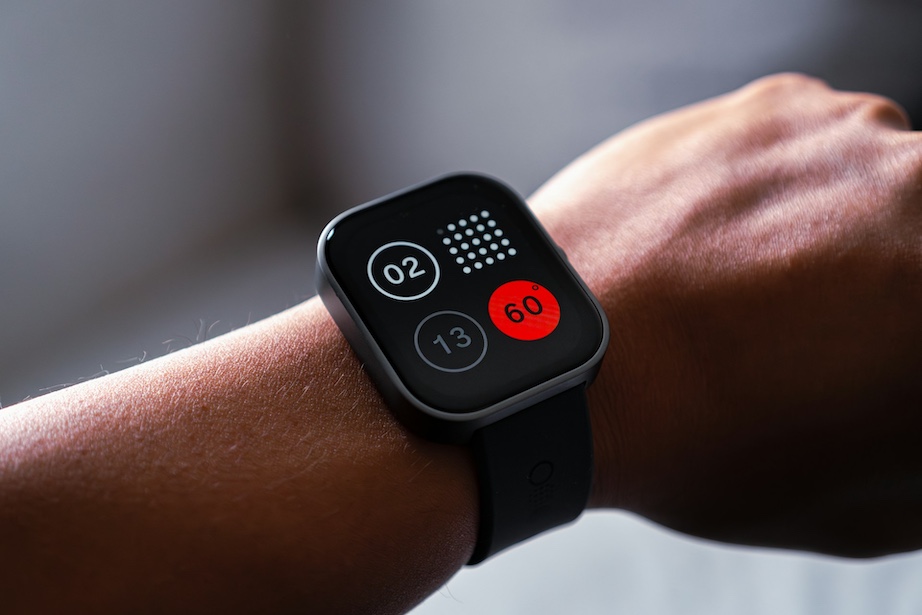
Hitting 60 in Canada feels like winning a jackpot. You gain access to government-sponsored income, specialized tax credits, and senior support. However, your immune system has weakened, and medical emergencies are prevalent.
Anything can go wrong unexpectedly, requiring immediate medical attention. As a senior caregiver or relative, a medical alert system can offer peace of mind and independence. However, the biggest yet most critical decision a buyer must make is choosing a mobile or home-based alert system.
Both systems offer emergency help but serve different risk profiles and lifestyles. Buyers must understand how these systems compare to achieve the ideal protection level without unwanted limitations. This article will give you insights into how these systems compare, ensuring you find the ideal one for your needs.
1. Emergency Coverage
Medical emergencies are unpredictable. Buyers must understand which between a home-based and a mobile device can address their immediate needs. The best overall medical alert in Canada should match the user’s current situation.
A home-based medical alert system connects to a base station through cellular or landline networks. These systems offer a limited range, covering only within the house. They are perfect for seniors living with mobility issues or those who rarely leave their homes. Home-based systems offer minimal to no protection when you step out of the covered zone.
Alternatively, mobile systems offer an uninterrupted connection regardless of location. Users can connect to help, provided they are in an area with cellular coverage. They are suitable for seniors who want to live independently while enjoying their leisure time off the grid.
2. Power Reliability
A medical alert system’s power reliability is an invaluable consideration. Whether the system is mobile or home-based, the power source affects its usefulness.
Home-based medical alert systems require uninterrupted plugging to remain functional. Considering the unpredictable Canadian weather and regular power outages, those opting for home units should choose those with a reliable built-in backup battery.
As for mobile alert systems, they use battery power. Top-quality systems feature a long-lasting battery with fast-charging options. Anyone going the mobile way must look for high-capacity batteries that can stay charged and functional longer. A high-capacity battery keeps a medical alert system useful regardless of the season.
3. Two-Way Voice Capabilities
Although sending the message across is sufficient to get the necessary help, everyone has unique emergency needs. For emergency responders to give tailored support, they need your input. For that reason, when deciding between a mobile and home unit, consider the two-way voice capability.
Home units have larger base stations, providing louder speakers and clearer sound. They feature the best quality two-way voice systems to offer reliable and clear communication. The systems ensure your message reaches the responder’s ears without blemish.
Mobile medical alert systems use smaller microphones and speakers. Although these speakers are clear, they may fail in extremely noisy and outdoor environments. If you want a system for a senior with hearing issues, test the voice clarity to get one suitable for their unique needs.
4. Monitoring Availability and Response
Seniors and those who encounter medical emergencies never know when or where the next one will happen. Accidents can visit one while chilling at home or taking an outdoor walk. Users need systems with advanced monitoring and response capabilities.
Both home and mobile alert units have professional monitoring. However, home units require the user to press a help button to activate. These systems are only active within the range of your home. Although monitoring centers know your address, the systems have no real-time location tracking.
Alternatively, mobile systems have built-in cellular radios to facilitate effortless real-time monitoring. Monitoring is active wherever there is cellular coverage. Some more advanced systems have Wi-Fi and GPS location tracking.
5. Fall Detection Capabilities
One truth about old age is that people lose their stamina. You will realize that you can barely stand or walk for longer periods. The possibility of falling after standing or walking longer is higher. Consequently, choose a medical alert system that can detect and alert responders when you fall.
Home-based medical alert systems typically offer fall detection only through a wearable pendant. These systems rely on sensors that detect vertical drops and simple motion patterns within a limited surface area.
Mobile systems use more advanced and efficient fall detectors. These refined technologies can effortlessly distinguish falls from normal movements.
Wrapping Up
Old age demands more attention from the victim and those around. Because health issues increase with old age, seniors must prepare for emergencies. A medical alert system is an invaluable tool for anyone wanting to stay alert to their environment and protect their peace of mind.
Buyers must decide between home and mobile alert systems. They need to identify the device that can address their unique needs. That requires identifying a home or mobile unit with efficient two-way communication, fall detection capabilities, and around-the-clock monitoring.
The device must fit your lifestyle, offering long-lasting protection. It should have a design that supports lasting performance in diverse settings. Also, the system should be usable by people with diverse needs. You want to consider the brand, ensuring you read testimonials and customer recommendations. Conduct thorough research of the products in question, ensuring you get value for money.
Contributed posts are advertisements written by third parties who have paid Woman Around Town for publication.