Parrini is fascinated with the violent death of Augusto De Angelis, a pioneer of Italian crime fiction in the 1930s. De Angelis’ books sold well, but after the fascists came into power, he was pressured to change his stories. The criminals couldn’t be Italian, but foreign. Italian police detectives had to be muscular and brutal. Italian dialects were prohibited. Suicides were ruled out. Because he resisted, De Angelis met a violent and untimely end. Parrini viewed De Angelis’ story as one of “complete and perfect injustice.” He believes it’s a story that needs to be told and he wants to be the one to tell it.
The film industry has changed since Parrini left, and not for the better. The fascists are gone, but the large film companies now have the power to shape each production. Parrini quickly learns that his reputation can get him in the door, but he may have to make concessions if he wants to make his movie.
Right off the bat, his producer, Luca Corrioni, wants to bring in another screenwriter. Parrini has already enlisted Sara De Viesti, but she’s viewed as not experienced enough. Parrini pretends to go along with the plan while he and Sara continue to work on the script. But when Corrioni suggests the U.S. film company wants an American actor to play De Angelis, Parrini knows he will have to look elsewhere for funding.
Parrini lives in a house on the grounds of a villa owned by Cavalier Bastoni. Perhaps thrilled to have a famous director living on his grounds or, as he told Parrini, to keep the property from his greedy relatives, he sold the house for a small fraction of what it was worth. After he died, Parrini had limited contact with Bastoni’s widow. But when she’s found strangled to death, he suddenly finds himself being questioned by the deputy prosecutor, Chiara Sensini, and hounded by Claudio Tarsi, a reporter for Corriere della Sera.
While Parrini objects to the intrusions on his time, he also enjoys being on the inside of a murder investigation. He can’t help but think about De Angelis’ detective, Inspector De Vincenzi. After Sensini eliminates Parrini as a suspect, she begins using him to plant stories in the press, something that is easy since Parrini has developed a relationship with Tarsi.
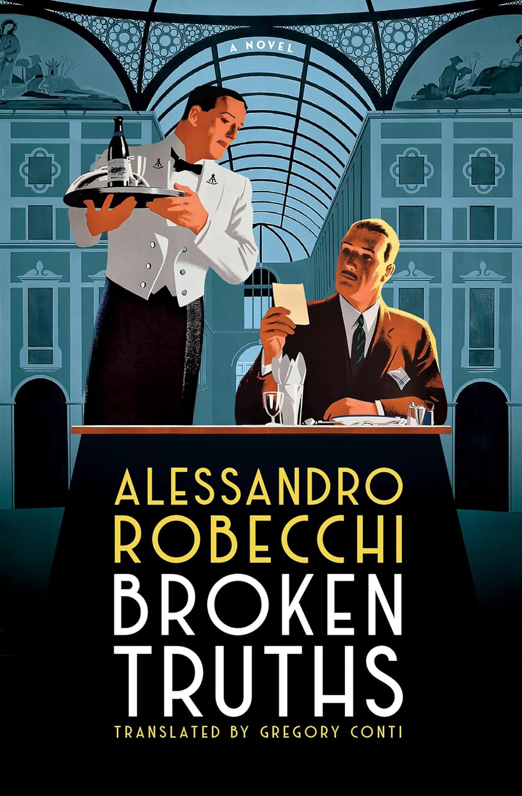
Alessandro Robecchi novel is clever, linking what happened to a crime writer under the fascist to what is now happening in film making. Censorship comes in various disguises. The fascists used physical means to pressure writers, modern day filmmakers use the power of the checkbook.
Translated from the Italian by Gregory Conti, Broken Truths is an intelligent and fun read.
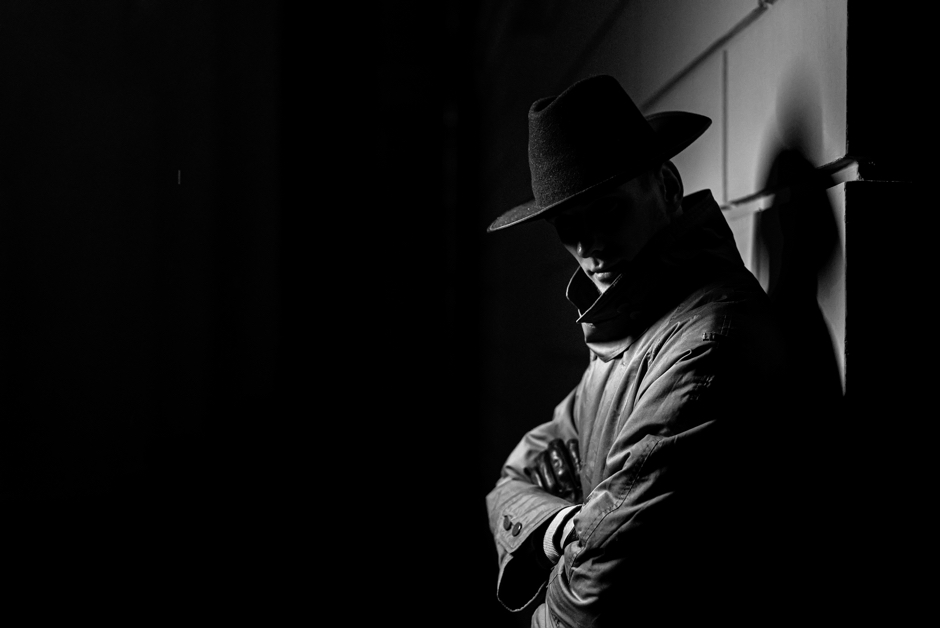
Top Shutterstock photo by alexkoral
Broken Truths
Alessandro Robecchi
Translated by Gregory Conti
Our editors love to read and independently recommend these books. As an Amazon Affiliate, Woman Around Town may receive a small commission from the sale of any book. Thank you for supporting Woman Around Town.