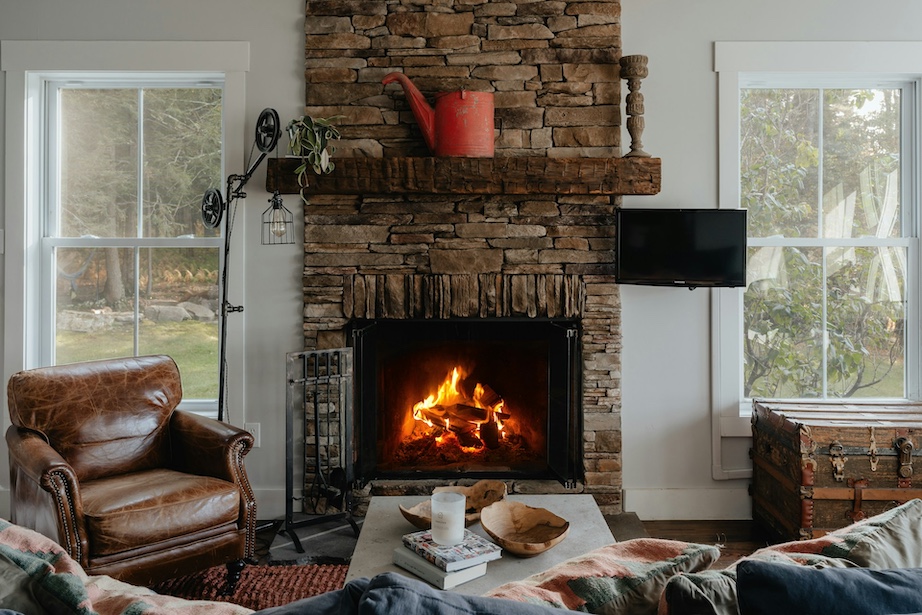
Modern homes are remarkably good at maintaining temperature. Thermostats can keep rooms within a narrow comfort range, heating systems operate with impressive efficiency, and smart controls allow homeowners to adjust settings from almost anywhere. Yet despite all of this technological progress, many people still find themselves drawn to something far older: a real fire.
This attraction is not simply about heat. If warmth were the only goal, central heating would have solved the problem long ago. Instead, homeowners continue investing in spaces built around fire because it provides something that technology alone struggles to replicate.
Across suburban neighborhoods, rural properties, and vacation homes, people are rediscovering the role that fire plays in creating atmosphere, encouraging connection, and transforming the way a room feels. The difference becomes obvious the moment people enter a space where a fire is burning. The temperature may be similar to every other room in the house, yet the experience feels completely different.
Comfort Is About More Than Temperature
Heating systems are designed to solve a practical problem. They make indoor spaces comfortable during colder weather.
But comfort is not purely physical.
People respond emotionally to their environments. Lighting, sound, texture, and atmosphere all influence how a room feels. Two spaces can share the exact same temperature while creating completely different experiences.
This is why homeowners often spend considerable effort designing living rooms, family rooms, and gathering spaces. They understand that comfort depends on more than numbers displayed on a thermostat. The goal is creating an environment where people naturally want to spend time.
A fire contributes to that experience in a way that is difficult to measure but easy to recognize.
Some Features Draw People Together Naturally
Every successful room tends to have a focal point.
Without one, people often scatter throughout space. Conversation becomes fragmented, and the room feels less connected. A strong focal point quietly influences how people interact with one another.
For generations, fire has served this role. People naturally gather around it. Conversations seem to last longer. Even quiet evenings feel more intentional when there is a shared point of focus within the room.
Unlike televisions or digital devices, fire rarely demands attention. Instead, it creates an atmosphere that encourages interaction, reflection, and relaxation. That subtle difference helps explain why it continues to hold value in modern homes.
The Experience Changes With the Seasons
One reason homeowners appreciate fire-centered spaces is that they create a stronger connection to seasonal changes.
Modern climate control makes it possible to maintain nearly identical indoor conditions throughout the year. While convenient, that consistency can reduce some of the sensory experiences that make different seasons feel distinct.
A fire changes the character of a home during colder months. Rainy afternoons, snowy evenings, and chilly weekends feel different when there is a warm gathering space waiting inside. The house responds to the season rather than simply resisting it.
This relationship between environment and experience contributes to the enduring appeal of fire, even in homes equipped with highly efficient heating systems.
Atmosphere Often Influences Daily Life More Than Expected
Homeowners frequently focus on practical upgrades because their benefits seem easier to measure.
Yet some of the most appreciated improvements are those that influence everyday life in quieter ways. They shape routines, encourage certain behaviors, and change how people use their homes.
During the planning stages of a living room renovation, one homeowner spent weeks evaluating furniture layouts, storage solutions, and lighting options. Eventually, attention shifted toward a vermont castings wood stove while considering how to create a stronger centerpiece within the room. What began as a design decision quickly became part of a larger conversation about how the family wanted to experience the space throughout the year.
That shift in perspective is common. People often begin by evaluating physical features and end by thinking about how those features influence everyday life.
Homes Feel Different When They Invite People to Stay
A welcoming room encourages people to linger.
Guests stay longer. Family members spend more time together. Ordinary evenings feel more relaxed. These outcomes are difficult to capture in photographs, yet they often determine whether a space becomes a favorite part of the home.
The most memorable rooms are rarely the ones with the most expensive furniture or the latest technology. They are the rooms that feel comfortable, inviting, and alive. They support conversations, quiet moments, and everyday routines without demanding attention.
Creating that feeling is often the true goal of residential design, even when homeowners describe it in different ways.
Some Traditions Remain Relevant for a Reason
Technology continues improving the way homes operate. Heating systems become more efficient. Smart controls become more sophisticated. Automation simplifies countless tasks.
Yet certain traditions persist because they provide something fundamentally human.
Fire remains one of those traditions. Not because modern alternatives are inadequate, but because the experience offers qualities that cannot be fully replaced by convenience or efficiency. It changes the atmosphere of a room, influences how people interact, and creates a sense of warmth that extends beyond temperature alone.
That is why, even in an age of advanced climate control, many homeowners continue making room for a real fire. The thermostat may control the temperature, but it cannot recreate the feeling that draws people toward the same room night after night.
Photo by Clay Banks on Unsplash
Contributed posts are advertisements written by third parties who have paid Woman Around Town for publication.