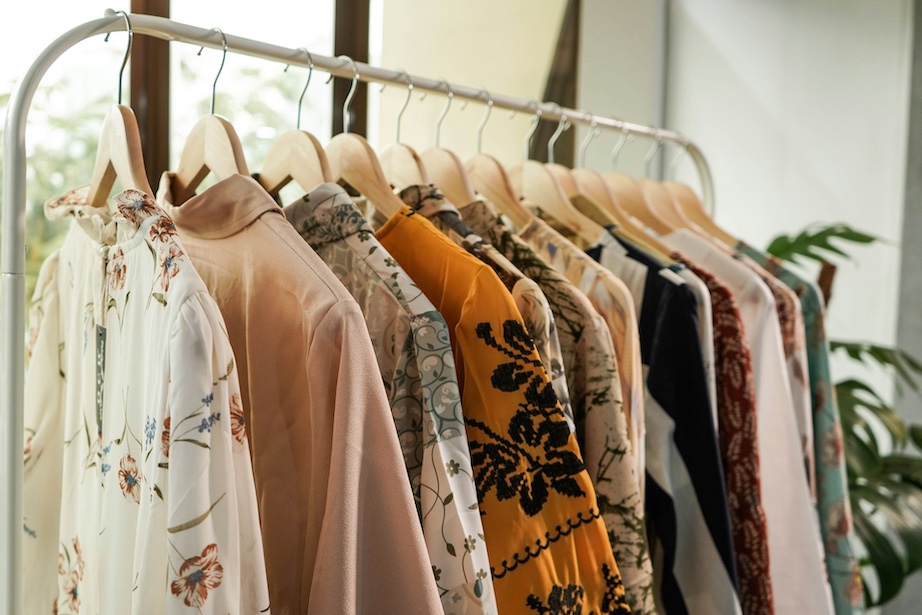
Running a boutique today feels like surfing a wave that changes shape every hour. TikTok can send a cottage-core corset viral before your morning coffee, freight surcharges can swallow last month’s margin, and a single sizing mix-up can overstuff your stockroom for a season.
Among all the moving pieces, the upstream partner you choose—your wholesale vendor—may be the most consequential. Get it right, and you’ll replenish hot sellers fast while protecting cash flow; get it wrong, and you’re pricing markdown stickers before the boxes even arrive.
Forty-six percent of independent U.S. boutiques said “smaller pack sizes / lower MOQs” were their top request from wholesale partners in 2025.
In this guide, we compare nine suppliers that speak fluent “boutique.” Each one checked five critical boxes – low minimums, open-pack or flexible ratios, fast domestic shipping, consistent trend cadence, and extra growth tools (from financing to data dashboards).
How We Picked the List
We reviewed the latest marketplace analytics, booth rosters at MAGIC and Source Fashion, industry reports, and conversations inside Shopify and Facebook buyer groups.
The final nine stood out for solving the headaches we hear most: cash-intensive case packs, long transit times, and stale assortments.
1. Dear Lover
Founded in 2007 and now shipping to more than 160 countries, Dear Lover has quietly become an anchor vendor for thousands of women’s apparel boutiques. Its claim to fame is an open-pack model that lets merchants mix sizes and colors within the same listing—no six-pack minimums, no odd size curves.
- Open-Pack Flexibility – build a single order from as few as one unit per SKU, a structure that helped drop the average first order size to 19 units in 2025, down from 32 units in 2020.
- U.S. Warehouse – three-day delivery to most states and 32 percent faster return transit compared with overseas send-backs
- Weekly Trend Drops – more than 100 new SKUs every Monday spanning dresses, loungewear, swim, and plus size.
- TikTok Shop Playbooks – step-by-step tutorials for setting up shoppable short-form video, complete with product-feed integration.
Because the brand marries low MOQs with a stateside warehouse, many retailers treat Dear Lover as the “safety stock” portion of their mix: quick-turn essentials that can refill shelves while slower containers are en route.
If you’re experimenting with micro-trends or testing a new size run, this is the vendor to start with.
2. OrangeShine
Los Angeles-based marketplace OrangeShine aggregates more than 1,700 independent fashion labels under one digital roof, meaning a single checkout can cover dozens of suppliers.
- $50 Opening Order – the lowest threshold on this list, perfect for risk-averse tests.
- Cross-Cart Mix – add items from multiple brands and still hit free-shipping tiers.
- Live Sale Calendar – weekly Facebook-style live streams that show real-time demand before you commit.
- Payment Portal – net-60 terms for qualified buyers.
For boutiques chasing West Coast trends (think crochet tops and festival looks), OrangeShine delivers variety without forcing deep bets on any one style. Close the browser tab once you hit your OTB cap, or you’ll lose an afternoon scrolling.
3. Faire
Faire disrupted wholesale by layering Silicon Valley UX over Main Street needs. The result is a sleek marketplace built around de-risking the first buy.
- Net-60 Terms & Free Returns – test a line for two months; send back what doesn’t move.
- Data-Smart Assortments – AI recommends SKUs based on your POS history.
- Brand Storytelling – product pages read like DTC sites, complete with lifestyle imagery.
- International Expansion – now warehouses in Canada, the U.K., and Australia.
If cash is tight or you’re expanding into gifts and lifestyle, Faire’s generous trial window keeps your balance sheet sane while you learn what shoppers love.
4. FashionGo
One of the longest-running B2B portals, FashionGo has spent two decades perfecting the bulk-buy experience—then modernised it with data dashboards.
- Best Seller Rank – live velocity metrics across the entire platform so you can spot breakout pieces early.
- FG Fulfillment – next-day ship on a growing subset of SKUs.
- Digital Trade Shows – quarterly online events that mimic the MAGIC showroom.
- Rewards Program – earn fee credits as your spend climbs.
Because FashionGo’s analytics pull from millions of transactions, the “what’s hot” list often predicts TikTok surges before they happen—a useful hedge when every reel feels like a new trend.
5. Tundra
Tundra positions itself as the wholesale world’s “no middleman” option by charging brands, not retailers.
- 0 Percent Commission – you pay only the listed wholesale cost.
- Flat-Rate Shipping – predictable landed cost inside the U.S.
- Volume Discounts – automated price breaks when your cart crosses set thresholds.
- Financing via LendingPoint – optional 12-month terms at competitive rates.
For boutiques scaling quickly, those stacking discounts can widen gross margin by a few critical points—a difference that keeps the lights on during slow seasons.
6. Bloom Wholesale
Want “Made in USA” on your tags without sky-high price points? Bloom Wholesale sources primarily from Downtown LA factories.
- Six-Piece Packs or Open-Ratio Splits – choose full size runs or customise quantities.
- Same-Day Pick-Up – for local buyers, grab goods curbside and skip freight.
- Plus & Missy Focus – broad sizing helps widen your audience.
- Weekly Style Boards – curated lookbooks emailed every Friday.
The domestic manufacturing angle reduces duty complexity and shortens re-cut lead times—handy when a local influencer suddenly shouts you out.
7. LA Showroom
LA Showroom combines a virtual marketplace with a members-only photo download hub, making content creation almost turnkey.
- Visual Match Tool – upload an inspo image; the AI surfaces similar SKUs.
- Tiered Memberships – pay more, unlock deeper discounts and lifestyle photography.
- Private Label Option – some vendors let you sew in custom neck labels.
- Bilingual Support – English and Spanish chat reps.
If your boutique brand doubles as a media channel, the ready-made photo sets can shave days off your social-calendar build.
8. Sugarlips Wholesale
Sustainability rarely meets fast fashion, but Sugarlips threads the needle with eco-friendly fabrics and a nimble design crew.
- Sustainable Textiles – Tencel, recycled poly, and organic cotton blends.
- Tuesday Trend Edits – concise 20-piece capsules inspired by runway recaps.
- Drop-Ship Program – ship single units straight to your shopper.
- Global Sizing Specs – patterns graded for U.S., EU, and AU fits.
Sugarlips is a smart add-on for boutiques courting climate-conscious Gen Z without sacrificing newness.
9. Magnolia Fashion
Miami-based Magnolia Fashion beams sun-washed Latin flair into its inventory, turning every rack into a mini-vacation.
- East-Coast Speed – one-day ground to most Florida addresses, two-day to the Northeast.
- Latin-Inspired Palettes – saturated hues that pop on social feeds.
- Same-Day Ship Before 1 p.m. – last-minute restock hero.
- Curve & Straight Cuts – many SKUs run XS–3X.
Sixty-seven percent of boutique owners reported at least one TikTok-driven micro-trend “sold out in under two weeks,” pushing demand for faster vendor restocks.
Magnolia’s shipping speed makes it a go-to for riding those viral waves—perfect when a customer DMs, “Can you restock that dress by next Friday?”
Comparing Costs Beyond Unit Price
The per-piece number on your PO only tells half the story. Factor in freight, duty brackets, and return logistics. U.S. consumers returned 16.5 percent of apparel purchases in 2025; retailers with domestic drop-ship or warehouse partners shaved return transit time by 32 percent.
Dear Lover and Bloom Wholesale both minimize that risk with stateside facilities.
[While you’re planning a warm-weather refresh, check Woman Around Town’s guide to “Warm Weather Is Coming! Find Sandals that Are Attractive, Comfortable, and Safe” for a quick read on the colours and fabrics shoppers are eyeing this season. ]
Search Filters That Signal “Boutique-Friendly”
Marketplace filters are your cheat codes. Toggle “open pack,” “U.S. warehouse,” or “same-day ship,” and you’ll instantly narrow to vendors who understand boutique math.
Wholesale platforms listing “U.S. warehouse” shipping filters saw a 54 percent jump in searches year-over-year.
Quick Checklist to Vet a New Supplier
- Does the MOQ align with your average sell-through window?
- Can you return or exchange unsold inventory?
- Are size charts and fabric content clear?
- Is there real customer-service chat, not just a contact form?
- Have you ordered swatches or a sample pack first?
Caveats & Counterpoints
Chasing every micro-trend can whiplash your brand identity. Use low-MOQ vendors to test, not to totally steer your assortment. Balance novelty with evergreen staples that shoppers expect you to carry season after season.
Conclusion: Stock Smarter, Sell Faster
Margins shrink when inventory sits. The nine partners above help boutiques order in smaller, faster, and smarter increments—so you ride trend waves without drowning in dead stock. Pair two or three that fit your vision, keep your eye on those MOQs, and your cash flow will thank you.
Photo by Aviv Rachmadian on Unsplash
Contributed posts are advertisements written by third parties who have paid Woman Around Town for publication.