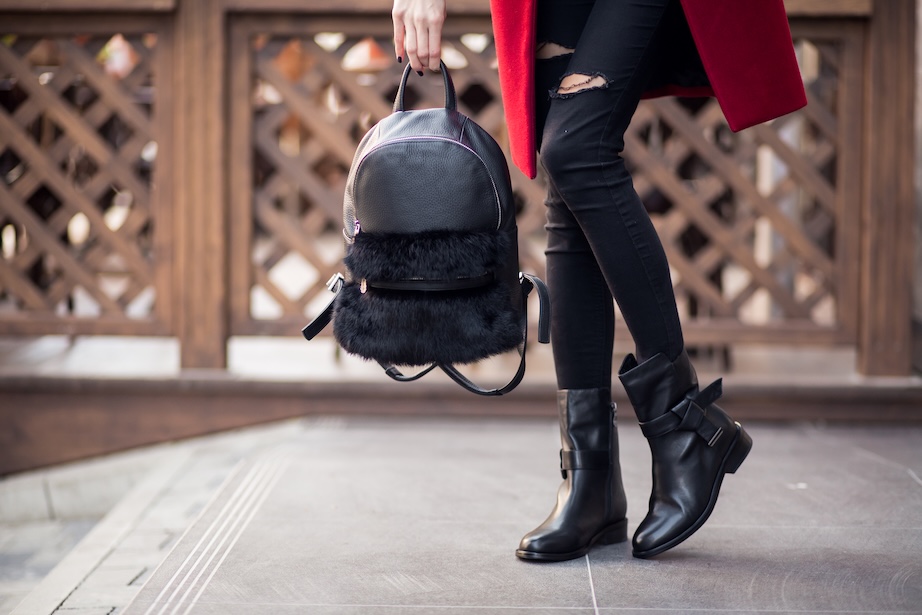
A backpack that remains useful for ten years usually reflects sound material, careful assembly, and a shape that suits daily movement. Wear builds slowly through friction, pressure, sweat, moisture, and repeated lifting. Weak areas show early, often at seams, corners, or strap anchors. Long service, by contrast, comes from balanced construction choices that reduce strain, protect contents, and let the surface age with character rather than damage.
Full-Grain Leather Matters
Price often catches attention first, yet the hide determines how a backpack ages under pressure. Buyers comparing leather backpacks should look for full-grain material, as the outer fibre layer stays intact and provides better tensile strength. That dense surface handles rubbing, weight, and weather more gracefully. Corrected leather can appear smooth at first, but it tends to thin, crease, and wear out sooner.
Thick Panels Hold Shape
Shape retention matters more than many shoppers expect. Panels with balanced thickness resist sagging, edge collapse, and deep folds after long commutes or travel days. Good leather bends without feeling papery, then settles back with structure still present. Too much softness lets the frame slump under load. Excess rigidity creates stress lines where the body should flex, which can shorten useful life over time.
Stitching Reveals the Truth
Seams often predict lifespan better than surface finish. Tight, even stitching spreads force across the panel and lowers the chance of small openings widening under strain. Loose spacing can allow movement where stability is needed most. Thread weight helps, yet placement matters just as much. Strap bases, lower corners, zip ends, and carry loops absorb repeated pulling, so those points need careful reinforcement.
Hardware Must Match the Leather
Metal fittings can fail long before the hide shows serious wear. Zippers should glide cleanly, buckles should close with confidence, and clips should resist bending during hurried handling. Weight offers one clue, though smooth action matters just as much. Rust, sticking, or sharp edges create daily friction and often damage nearby leather. A durable backpack needs hardware built for moisture, grit, and repeated opening.
Straps Need Real Support
Carrying comfort affects longevity because poor support changes how weight travels through the frame. Narrow straps can concentrate pressure across the shoulder and encourage uneven loading. That pattern increases pull at attachment points. Wider bands distribute force more evenly and reduce torque during movement. Reinforced anchors matter too. When those joints are backed properly, the backpack stays stable under books, devices, and daily essentials.
Lining Should Earn Its Place
Interior fabric often shows fatigue before the exterior does. A dependable lining protects contents, limits stretch, and keeps smaller items from shifting into hard-to-reach corners. Thin cloth may tear around pockets or fray along stitched edges after routine use. Better interiors lie flat and stay secure without adding bulk. Thoughtful compartments also reduce stress because awkward items are less likely to be forced inside.
Base Design Protects Daily Use
The bottom panel absorbs constant contact with floors, car seats, station platforms, and office corners. For that reason, base construction deserves close attention. Extra leather, internal reinforcement, or protective feet can reduce abrasion and help block moisture entry. Clean edge finishing also matters because peeling often begins where contact repeats. Once the underside weakens, distortion usually travels upward and affects the whole silhouette.
A Thoughtful Layout Extends Life
Smart storage protects materials because it lowers unnecessary force during daily use. Easy-access pockets reduce frantic searching, while a separate laptop sleeve prevents hard edges from pressing against the outer shell. Capacity matters as well. An overstuffed backpack develops stretched seams, distorted panels, and overworked straps. When the layout matches ordinary routines, each component works within safer limits and tends to last much longer.
Care Should Stay Simple
Even well-made leather benefits from routine maintenance that people can keep up with. Dry storage, gentle wiping, and occasional conditioning help preserve surface oils and reduce cracking. Those steps also support flexibility, which limits stress around folds and corners. Complicated care plans rarely last. Practical upkeep works best because regular habits, even the modest ones protect appearance and function more effectively than sporadic intensive treatment.
Conclusion
A backpack built for a decade depends on several qualities working together, rather than one standout feature. Full-grain leather, stable stitching, dependable hardware, supportive straps, protective lining, and a strong base each reduce a different form of stress. Useful design also plays a quiet, central role by preventing overload and awkward handling. When those details align, age brings patina and character, instead of split seams or fatigue.
Image by senivpetro on Magnific
Contributed posts are advertisements written by third parties who have paid Woman Around Town for publication.