I live in Chicago, a city where the wind off the lake seems to age your skin faster than anywhere else I’ve lived. For years, I told myself that a few more serums and a little more sunscreen would keep me looking like myself. But somewhere between my late forties and early fifties, I noticed my reflection didn’t match how I felt on the inside anymore.
I want to walk you through exactly how I got from “maybe I need a little help” to booking a consultation, including every product, treatment, and excuse I tried first. If you’re on the fence the way I was, I hope my experience saves you some time and second-guessing.
Where It All Started
It wasn’t one single moment. It was a slow accumulation of small ones. A photo from a friend’s wedding where I didn’t recognize the jawline staring back at me. A video call where I kept angling my chin up without realizing why. A morning in the mirror when I pulled the skin near my ears back with my fingers, just to see.
None of this was dramatic. I still felt like myself. I just didn’t look like the version of myself I carried around in my head. That gap between feeling and reflection is what pushed me to start researching.
What I Tried Before Considering Surgery
I’m not someone who jumps straight to the most drastic option. I gave myself a fair shot at every non-surgical route first. Here’s the order I worked through, roughly over two years:
- Retinoid creams and vitamin C serums, used consistently every night for over a year
- Monthly facials and microneedling sessions at a local med spa
- Radiofrequency skin tightening treatments, which I tried in a package of six
- Dermal fillers along my cheeks and jawline to restore lost volume
- A stricter sleep and hydration routine, because someone online swore by it
Each of these helped a little. The fillers in particular gave me a nice temporary lift. But none of them addressed the actual problem, which was loose skin and weakened muscle structure around my lower face and neck. No cream or injectable was going to fix that, and deep down I already knew it.
Understanding What a Facelift Actually Does
That’s when my med spa provider gave me a straight answer: injectables could add volume, but they couldn’t remove excess skin or tighten the muscle layer underneath it. A facelift works differently. It repositions that deeper muscle layer, removes the loose skin, and gives the jaw and neck a defined edge again, something fillers were never designed to do.
Once I understood that distinction, the decision made a lot more sense. I wasn’t chasing a different face. I just wanted my own face back, minus the extra skin and sag that years and gravity had added.
Doing the Research Before Committing
Once I accepted that surgery might be the right path, I didn’t rush. I spent weeks reading, comparing surgeons, and asking questions. A few things I focused on:
- Board certification and how many facelifts the surgeon performs each year
- Before-and-after photos of patients with a similar age and skin type to mine
- Recovery timelines, since I needed to plan around work
- Whether the surgeon listened to my goals instead of pushing their own aesthetic
I also wanted to understand how common this decision actually was, because I felt strangely alone in it at first. It turns out I wasn’t. According to the American Society of Plastic Surgeons’ 2024 statistics report, facelift procedures rose again last year, making it the second most common facial cosmetic surgery in the country. Seeing that number helped me realize this wasn’t an impulsive or unusual choice. It was a well-established, well-studied procedure that plenty of people my age were also considering.
Why I Chose to Stay Local for My Consultation
I looked at a few surgeons outside the city, but I kept coming back to the idea that I wanted someone I could easily follow up with, in person, for months after surgery.
That’s when I booked a consultation for a facelift in Chicago at Gold Coast Plastic Surgery, mostly because it meant I wouldn’t have to fly back for follow-ups. During that first appointment, the surgeon spent more time asking about my anatomy and goals than talking about the procedure itself, which was the kind of conversation I’d been hoping for. I left with a clear sense of what a facelift could and couldn’t do for my specific face, instead of a sales pitch dressed up as advice.
Recovery Timeline Was Part of the Decision
I couldn’t say yes to surgery without knowing what my calendar would look like afterward. I asked for a realistic week-by-week breakdown, not the best-case version, so I could plan work and family time around it properly.
Knowing I’d need about two weeks before feeling presentable, and closer to a month before I felt fully back to normal, made the decision easier, not harder. It turned an abstract fear into something I could actually schedule.
Why I’d Recommend a Facelift to You
If you’ve tried everything else and keep landing back on the same problem, here’s why I’d point you toward a facelift over continuing to wait.
- It addresses the actual cause, not just the surface: Fillers and skin treatments work on volume and texture, but they can’t remove loose skin or tighten underlying muscle the way a facelift can.
- The results last far longer: Injectables need to be repeated every few months, while a facelift’s results hold for years, which made it a better long-term decision for me.
- It gave me a more natural outcome: Because it works with your own tissue and structure, a facelift avoided the overfilled look I was starting to notice from relying on injectables alone.
Every option I tried along the way taught me something, but none of them solved the actual problem the way surgery did. If you’re standing where I once was, give yourself permission to ask the same honest questions I did, and don’t be afraid of the answer.
Final Thoughts
There’s no single right timeline for making this kind of decision. Mine took about two years from first noticing the change to finally booking surgery. What mattered most wasn’t the speed of my decision, but the honesty behind it. I tried everything else first, learned what those options could and couldn’t do, and only moved forward with surgery once I understood exactly what I was choosing and why.
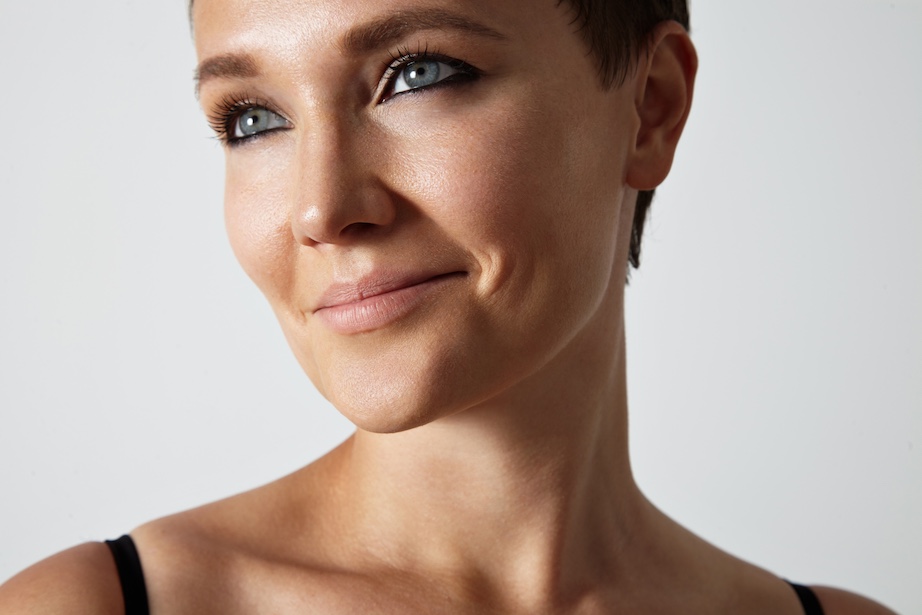
Image by Anastasia Kazakova on Magnific
Contributed posts are advertisements written by third parties who have paid Woman Around Town for publication.