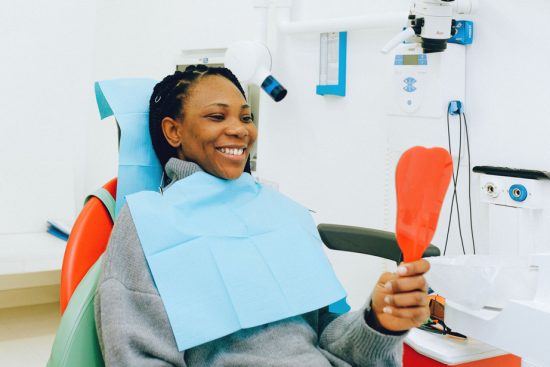


Women are paying closer attention to their mental wellness, recognising the value of addressing emotional health before stress or burnout becomes overwhelming. Many are making time for professional help, healthier habits, rest, exercise, clearer boundaries, and relationships that help them feel supported.
Some women reach out for professional support when they need it. Others focus on managing work stress, protecting their free time, and staying connected with people they trust. The main idea is simple: mental wellness should not only receive attention when problems become difficult to manage. It can be treated as a regular part of living well and maintaining long-term health.
The Growing Awareness Around Women’s Mental Health
Greater openness around mental health has made it easier for many women to discuss emotional wellbeing and recognise when they may need support. Across different countries, healthcare providers, community organisations, workplaces, and online platforms are helping make information and conversations about mental health more visible.
The ways women access support vary depending on where they live. In the United States, this may involve seeing a therapist, speaking with a primary care provider, joining a support group, or using telehealth. In England, eligible people can self-refer to NHS Talking Therapies for anxiety and depression without needing a formal mental health diagnosis first.
For women in Australia who want professional help, exploring mental health support services in Melbourne can be one way to find counselling, psychology, nursing, or community-based care that matches their needs.
Mental health data also shows differences in the prevalence of mental illness between women and men. According to the US National Institute of Mental Health, 26.4% of adult women experienced some form of mental illness in 2022, compared with 19.7% of adult men.
Understanding these differences can help women recognise that seeking support is a reasonable and important response to changes in their mental health, rather than something that should be delayed until a crisis develops.
What Accessible Support Looks Like Today
Mental health support can look different depending on a person’s location, circumstances, and needs. Women may seek help through therapists, primary care providers, community mental health organisations, employee assistance programs, support groups, or telehealth services.
The most suitable option depends on factors such as accessibility, provider qualifications, treatment style, cost, cultural understanding, and whether remote appointments are available. For women already feeling overwhelmed, being able to compare these practical factors can make the process of seeking help feel more manageable.
Telehealth is now one way some mental health services provide support remotely. Women with busy schedules, family responsibilities, mobility barriers, or limited local options may be able to meet with some professionals online.
Professional support also does not need to look the same for everyone. One woman may benefit from counselling, while another may need ongoing psychological care, peer support, or help navigating community services.
How Women Are Actively Investing in Their Wellbeing
Alongside professional care, many women build routines that support their emotional wellbeing day to day. These habits can help maintain mental health during ordinary periods as well as during more stressful times.
Common wellbeing practices can include mindfulness meditation, journalling, regular exercise, healthy sleep routines, and making time for enjoyable activities. Many women also prioritise social connection because trusted relationships can provide emotional and practical support.
These habits are not a substitute for professional treatment when someone is experiencing a mental health condition or significant distress. Instead, they can form part of a broader approach to wellbeing alongside clinical or community support when needed.
Building Boundaries and Reducing Burnout
Burnout can become a concern for women balancing demanding work, family, caring, or personal responsibilities. Recognising early warning signs such as persistent exhaustion, irritability, difficulty concentrating, or feeling emotionally drained may help women respond before those pressures become harder to manage.
Setting clearer boundaries at work and home can include managing workloads, sharing responsibilities where possible, limiting digital interruptions, and protecting personal time. Women may also benefit from learning to say no when appropriate and asking others for help rather than trying to carry every responsibility alone.
Some workplaces provide additional resources through employee assistance programs, flexible work arrangements, wellbeing initiatives, or mental health leave.
The Role of Community and Peer Support
Community and social connection can play an important role in supporting mental wellness. Feeling connected to supportive people can give women additional emotional and practical help during stressful periods.
Support groups, community organisations, online communities, and peer-led programs can provide spaces where women share experiences and feel heard. These settings may help reduce isolation and give participants practical ideas for coping with everyday challenges.
Peer support does not replace professional care, but it can complement it. For many women, support may involve a combination of professional help when needed, self-care practices, and trusted social connections.
Encouraging Younger Women to Speak Up
Younger women also benefit from support that reflects the pressures they may face. Teen girls and young women may experience challenges involving social comparison online, academic demands, relationships, family expectations, and developing their sense of identity.
Schools, universities, families, and community organisations can help by creating environments where young women can talk about difficult emotions without fear of judgement. Teaching coping strategies and helping young people understand when to seek support can also encourage earlier conversations about mental health.
Looking Ahead With Optimism
Treating mental wellness as part of everyday health can help women recognise when they need rest, connection, self-care, or professional support.
There is no single approach that works for every woman, and seeking help can look different depending on someone’s needs, culture, location, and circumstances. What matters is having access to reliable information, supportive relationships, and appropriate professional care when it is needed.
By giving mental health regular attention rather than waiting for a crisis, women can make more informed choices about the support and habits that contribute to their overall wellbeing.
Image by Yan Krukau at pexels.com
Contributed posts are advertisements written by third parties who have paid Woman Around Town for publication.