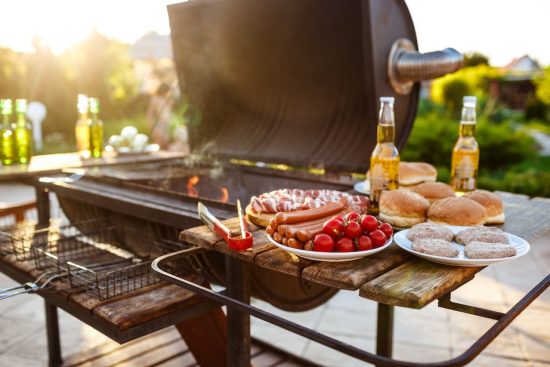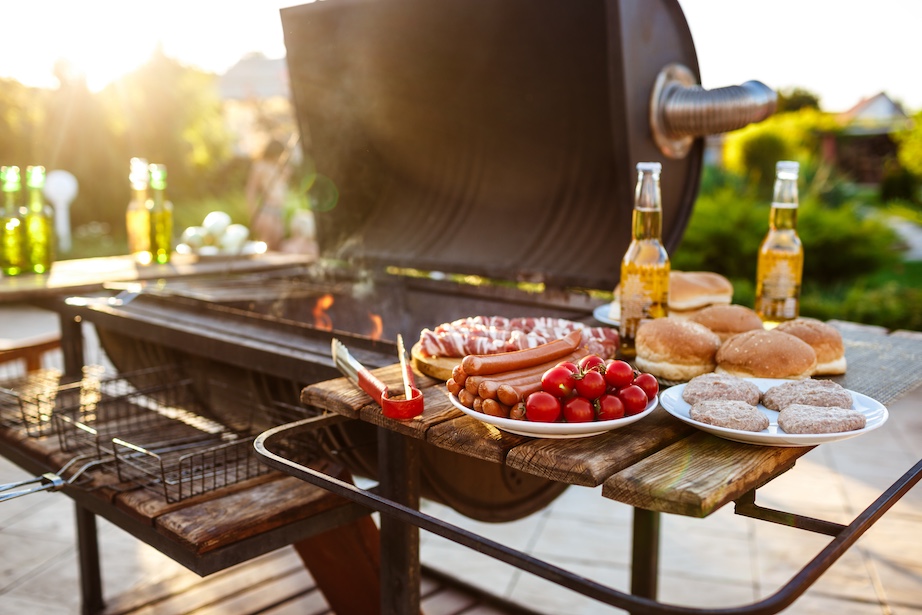
Grilling is more than just a way to cook—it’s a ritual, a reason to gather, and a season-long celebration of flavor. Whether you’re a complete beginner or someone who’s already mastered the perfect sear, understanding the world of BBQ grills can transform your outdoor cooking game.
In this guide, we’ll explore the essentials of a bbq grill in a friendly and informative way, breaking down types, features, maintenance tips, and smart buying considerations. By the end, you’ll be better equipped to choose a grill that suits your needs and enjoy many delicious meals with friends and family.
What Is a BBQ Grill?
At its core, a BBQ grill is a cooking device that uses direct heat to cook food—often over an open flame. Unlike traditional ovens, grilling gives food a unique smoky char and depth of flavor that’s hard to replicate any other way. BBQ grills come in various shapes and fuel types, from simple portable models to elaborate setups with multiple burners and accessories.
Types of BBQ Grills
There’s no one “best” grill for everyone. Instead, choosing the right one depends on your space, cooking style, and how much you plan to grill.
Charcoal Grills
Charcoal grills are often favored by purists who love a smoky, rich flavor. These grills use charcoal briquettes or lump charcoal as the heat source. The intense heat and aromatic smoke produced by charcoal give food that classic barbeque taste.
Pros:
- Exceptional flavor from smoke and char
- High heat capability
- Typically more affordable
Cons:
- Takes longer to heat up
- Requires more cleanup
- Temperature control can be trickier
Gas Grills
Gas grills run on propane or natural gas and are extremely popular because of their convenience. With a turn of a knob and push of an ignition button, you’re cooking in minutes.
Pros:
- Fast and easy to start
- Precise temperature control
- Cleaner operation
Cons:
- Flavor may be milder compared to charcoal
- Requires gas supply
Electric Grills
Electric grills are ideal when open flames are restricted, such as in apartments or condos where gas or charcoal may not be allowed. They plug into an outlet and heat up quickly.
Pros:
- Easy to use
- Works in indoor or outdoor spaces
- No fuel to refill
Cons:
- Limited smoky flavor
- Heat levels may not reach as high
Pellet Grills
Pellet grills use compressed wood pellets and offer a balance between BBQ smoking and grilling. These are perfect for people who want versatility, from slow smoking to hot searing.
Pros:
- Excellent flavor from wood smoke
- Precise temperature control
- Great for low-and-slow cooking
Cons:
- More expensive
- Requires electricity
Key Features to Consider When Buying
If you’re in the market for a BBQ grill, here are some features worth thinking about:
Cooking Area
This determines how much food you can grill at once. Families or frequent entertainers will benefit from a larger cooking surface, while small spaces might call for a more compact option.
Temperature Control
Look for grills with adjustable vents or burners that let you control heat easily. Consistent and controllable temperature makes cooking more predictable and enjoyable.
Build Quality
High-quality materials like stainless steel boost durability and resistance to rust. A solid grill will last longer and maintain performance through many seasons.
Additional Features
Side shelves, warming racks, and built-in thermometers are examples of extras that can make grilling more convenient. Some people also appreciate tool hooks, storage cabinets, or rotisserie kits.
Preparing to Grill: Tips for Success
Before firing up the grill, it’s helpful to follow a few basic steps that make the cooking experience smoother and safer.
Clean Your Grill
Removing old residue from grates not only improves flavor but also helps prevent flare-ups. A good brush and regular cleaning make a big difference.
Preheat Properly
Allow your grill to reach the desired temperature before placing food on it. Preheating ensures even cooking and helps create that signature sear on meats and vegetables.
Oil the Grates
A light brushing of oil on the grates prevents sticking and promotes beautiful grill marks. Use a high smoke point oil like canola or vegetable oil.
Grilling Techniques to Try
Grilling isn’t just about turning burgers and hot dogs. Once you feel confident, try expanding your repertoire.
Direct vs Indirect Heat
- Direct heat: Food is placed directly over the flame for quick cooking and charring. Great for steaks, chops, and thin cuts.
- Indirect heat: Food cooks beside the flame, ideal for larger cuts or slower cooking without burning.
Smoking
If your grill allows, add wood chips for a smoky infusion. Soak the chips in water beforehand and place them over the coals or in a smoker box for gas grills.
Staying Safe While Grilling
Grills involve high heat, so safety is paramount:
- Keep the grill stable and away from structures.
- Never leave a lit grill unattended.
- Use long-handled tools and heat-resistant gloves.
- Keep a spray bottle or fire extinguisher nearby for flare-ups.
Conclusion: Grill with Confidence
Grilling is a blend of art and science. Whether you choose charcoal, gas, electric, or pellet, understanding how your grill works and how to use it effectively will elevate your food and your outdoor time. With the right setup and a bit of practice, you’ll be well on your way to mastering delicious BBQ all year long. Happy grilling!
Image by cookie_studio on Freepik
Contributed posts are advertisements written by third parties who have paid Woman Around Town for publication.