History has not been so kind to Mary Lincoln, the 16th First Lady of the U.S., who was praised for her steadfast support of her husband, ridiculed for her overspending, and considered “crazy” for her unusual behavior.
Having suffered the loss of three sons during one of the darkest times in our history would be enough to cause unconsolable grief, perhaps PTSD as well. Surely, there may have been post-partum depression that lingered after giving birth that was never understood or given serious attention, maybe there was a history of mental illness in the Todd family. And all that had occurred before what may have been the pivotal trauma of her life: being seated next to her husband when shot by an assassin. It begs to wonder then if history has been unkind to Mrs. Lincoln who, despite inner demons and tragedies faced, continued to soldier on, becoming more instrumental in the success of her husband’s presidency than we realize.
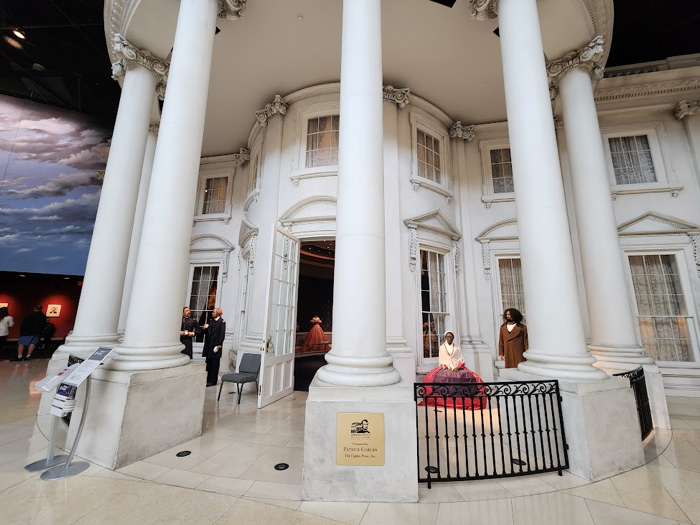
Considering all she endured privately, if not for her, we would probably not have had a President Lincoln. It was Mary who helped polish his social skills and pursue higher office. Her wealthy Kentucky upbringing enabled her to receive a fine education, and sophistication. She was more than capable of handling the First Lady duties with her keen eye for redesigning the White House, and the political savvy to open the building to the public. Though members of her family served in the Confederate Army, she was a dedicated Unionist, and visited army camps, volunteered at Union hospitals, and supported an organization that helped former slaves receive food and clothing.
In her widowhood, there were reports of erratic behavior, imagined dangers and excessive shopping. At the request of her surviving son, Robert, she was put on trial and with her mental state in question, placed in an Illinois hospital. Months later, she was released in her sister’s care, moved to Europe for a time, then returned to her sister’s home until her death in 1882. “Few women in American history,” says the Mary Todd Lincoln House website, “have endured as much controversy and tragedy.”
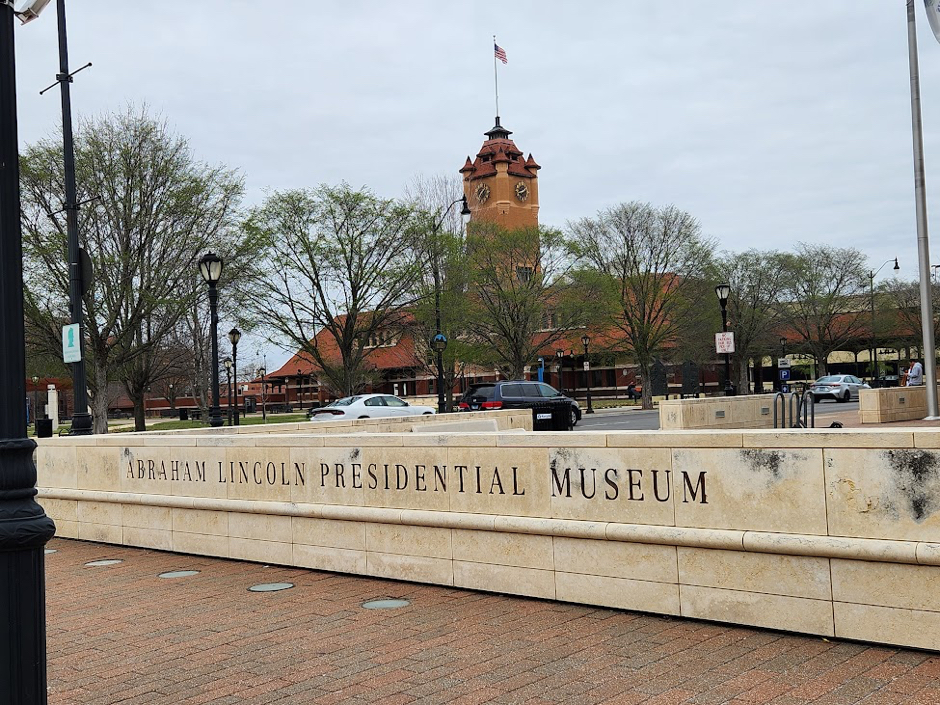
On a recent road trip, I visited the Abraham Lincoln Presidential Library in Springfield, Illinois. My intention was to examine the artifacts left behind by the President, discover his handwritten documents, review the timeline of his term in office. However, my attention was drawn to the First Lady. On display was one of her few surviving dresses, known as the “strawberry dress” for its decorative pattern. It was preserved by her relatives for years until donated to the state of Illinois. It lies under glass, in a dimly lit room, and was only on display for a short time. I was moved at the sight, seeing its fragile state, and the care it had been given over the years by her family, and now by the museum staff.
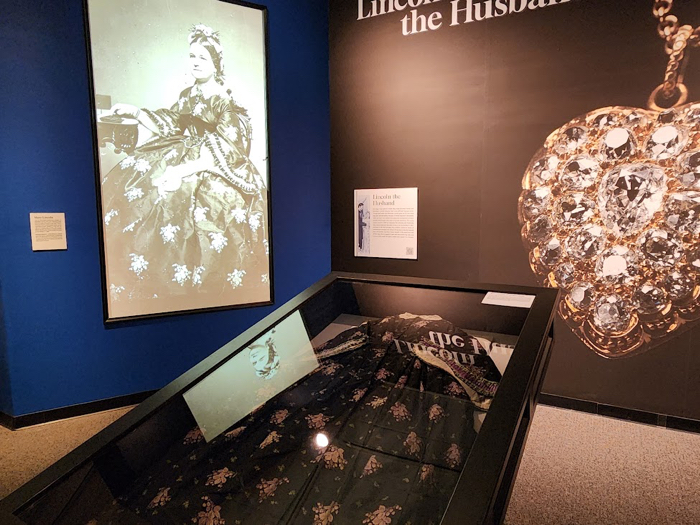
“Clothing is so personal,” says Christina Shutt, executive director of the Abraham Lincoln Presidential Library and Museum, “Mary Lincoln was a fascinating and complex person, and I hope seeing this dress helps people take a few minutes to learn more about her.” In moving to the White House from the rural state of Illinois, Mary Lincoln realized the need to dress “impeccably,” and through the display of this “remarkable item,” we can see beyond the narrative created around her, and remember she was also a supportive wife, mother, woman and patriot.
In writing the hit Broadway play, Oh, Mary!, Cole Escola told Playbill.com that he did “less than no research” on her, and made a point to avoid any historical facts, keeping the focus on outrageous comedy. In a quote from NewYorkTheatreGuide.com, the character was based on an exaggeration of Escola’s “own self.” Even so, this play has put her name front and center in social media and in our collective consciousness. But does it perpetuate Mary Lincoln as a crazed First Lady? Maybe. But thanks to the Lincoln Presidential Library, and other Lincoln and Todd family sites across Illinois and Kentucky, those curious enough to explore her life can make up their own minds.
No doubt, she was a complicated woman, smart, loyal, high-strung, anxious. Probably a bit of everything. But here’s a Mary Lincoln fact worth noting – that at the start of the Civil War, despite warnings from a Union General that it was too dangerous for her to remain at the White House, she stayed. And by doing so, stood by her husband, and “upheld the traditional roles of wife, mother, and homemaker.”
Since we’re coming upon Mother’s Day, here’s wishing a happy Mother’s Day to all those who, despite inner turmoil, care for their families. May they remember to care for themselves, too.
References used for this story: Abraham Lincoln Presidential Library and Museum, Illinois; the Mary Todd Lincoln House, Kentucky.
The Abraham Lincoln Presidential Library and Museum is family-friendly, and worth the road trip. There are displays of his writing, a life-size depiction of his war room, and personal items of both the President and First Lady.
Abraham Lincoln Presidential Library and Museum
Photos by MJ Hanley-Goff