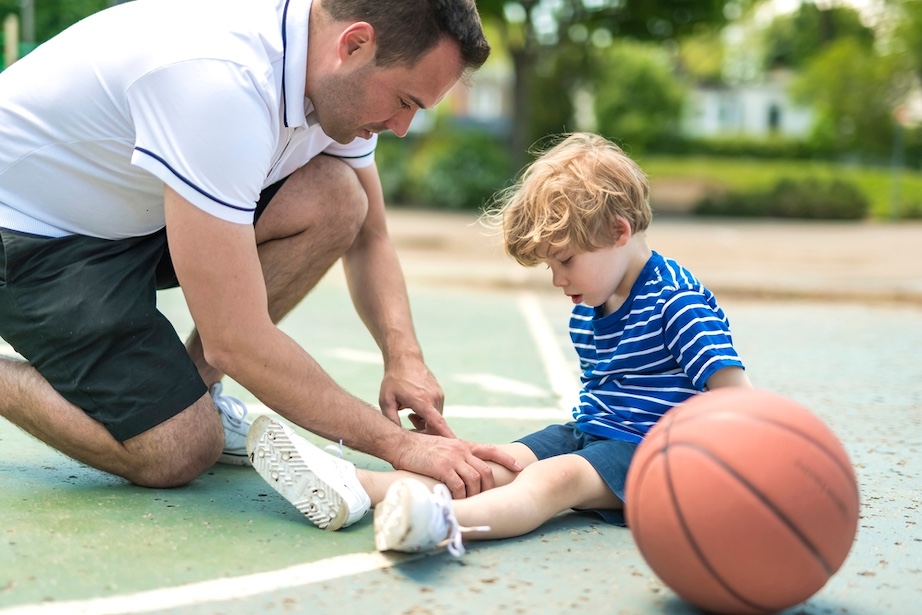
As parents committed to natural and holistic lifestyles, we prioritize our children’s wellbeing in every decision we make. Yet despite our best efforts to create safe environments at home, we can’t always control the safety of public playgrounds and school facilities where our children spend significant time. Each year, over 200,000 children across the United States receive emergency room care for playground-related injuries, according to the Consumer Product Safety Commission. While many of these incidents are simple accidents, some occur due to negligence or unsafe conditions that could have been prevented.
Understanding when someone else may be legally responsible for your child’s injury can help you protect your family’s rights and ensure that preventable accidents are addressed. This knowledge empowers you to make informed decisions about seeking compensation for medical expenses, pain and suffering, and long-term care needs.
Common Types of Playground and School Injuries
Playground and school injuries range from minor scrapes to serious, life-altering conditions. Falls account for the majority of playground injuries, representing 44 percent of all incidents. These falls often result from inadequate fall surfacing, equipment that exceeds recommended height limits, or lack of proper maintenance.
Head and neck injuries are particularly concerning for parents, especially given their potential long-term impacts. Research from the National Institutes of Health shows that head and neck injuries represent 54.3 percent of playground-related injuries requiring medical attention. Fractures, sprains, cuts, and concussions are also common, particularly on equipment like swings, climbing structures, and slides.
Elementary school data reveals that 64 percent of student injuries occur on playgrounds or play fields, with 88 percent of those happening during recess. This highlights the importance of proper supervision and equipment maintenance at schools where children spend daily outdoor time.
When Is Someone Else Legally Responsible?
Determining legal responsibility for playground and school injuries depends on several factors. Property owners, schools, and municipalities have a duty to maintain safe environments for children. When they fail in this responsibility, they may be held liable for resulting injuries.
Premises liability cases arise when dangerous conditions exist on a property. For playgrounds, this might include broken equipment, exposed metal parts, inadequate safety surfacing, or sharp edges. Schools and parks must conduct regular inspections and address hazards promptly. When they fail to do so, and a child is injured as a result, legal responsibility may fall on the property owner or managing entity.
Negligent supervision represents another area where liability may exist. While children naturally take risks during play, adult supervisors have a responsibility to intervene when activities become dangerous or when equipment is being misused. Schools, daycare centers, and recreation programs can be held accountable when inadequate supervision contributes to an injury.
Equipment manufacturers can also bear responsibility when design defects or manufacturing flaws create hazardous conditions. If playground equipment fails to meet safety standards or malfunctions in a way that causes injury, the manufacturer may be liable under product liability laws.
Key Factors in Determining Liability
Florida law requires establishing several elements to prove negligence in playground and school injury cases. First, there must be a duty of care owed to the injured child. Property owners and schools have a heightened duty of care toward children, recognizing their limited ability to perceive dangers.
Second, there must be a breach of that duty through action or inaction. This could include failing to repair known hazards, not providing adequate safety surfacing, or allowing equipment to fall below safety standards established by organizations like the Consumer Product Safety Commission.
Third, the breach must directly cause the injury. This causation element requires demonstrating that the dangerous condition or negligent supervision led to the specific harm suffered by your child.
Finally, there must be actual damages resulting from the injury. These can include medical expenses, ongoing treatment costs, pain and suffering, and in severe cases, long-term disability or reduced quality of life.
Documentation becomes crucial in these cases. Photographs of the injury site, equipment conditions, and your child’s injuries can provide important evidence. Medical records, witness statements, and incident reports filed with schools or park authorities also play vital roles in establishing liability.
Steps to Take After a Playground or School Injury
If your child suffers a serious injury on a playground or at school, your first priority is always their medical care. Seek immediate treatment for any significant injury, particularly head injuries, broken bones, or severe cuts. This not only protects your child’s health but also creates a medical record documenting the injury.
Report the incident to the appropriate authorities as soon as possible. Schools typically have formal injury report procedures. For public parks, contact the managing municipality or parks department. This creates an official record and may trigger safety inspections.
Document everything related to the injury and its aftermath. Take photographs of the location where the injury occurred, focusing on any hazards or unsafe conditions. Keep all medical records, bills, and receipts for expenses related to treatment. Write down your own account of what happened while details are fresh in your memory.
When injuries result from unsafe conditions or negligence, consulting with professional attorneys can help you understand your legal options. Experienced attorneys can evaluate whether grounds exist for a claim, navigate complex premises liability laws, and advocate for fair compensation that covers current and future needs resulting from the injury.
Protecting Your Child’s Future
While no parent wants to think about legal action after their child is injured, understanding liability helps ensure that safety standards improve and that families receive support for injury-related expenses. Many playground and school injuries are preventable through proper maintenance, appropriate supervision, and adherence to established safety guidelines.
As advocates for our children’s wellbeing, we must balance trust in community spaces with awareness of when safety standards fall short. By knowing when someone else may be legally responsible for playground and school injuries, parents can make informed decisions that protect both their children’s immediate recovery and their long-term interests. This knowledge also encourages institutions to maintain higher safety standards, ultimately creating safer environments for all children in our communities.
Photo by Shutterstock.com
Contributed posts are advertisements written by third parties who have paid Woman Around Town for publication.