
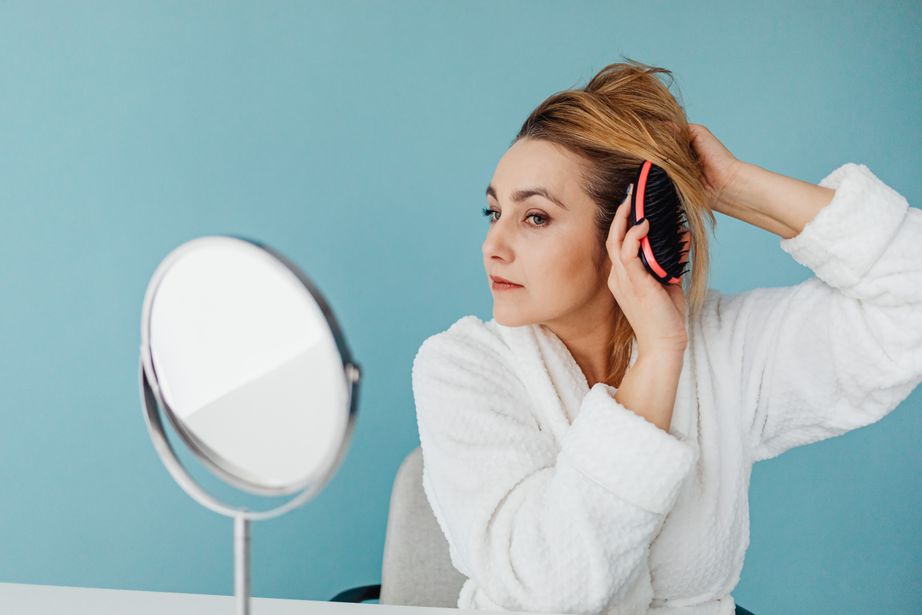
We spend so much time and money on shampoos, conditioners, and fancy serums. We obsess over ingredients, read endless reviews, and swap products the second our hair acts up. Yet, that humble hairbrush sits in the bathroom drawer for years without us ever questioning it.
Lately, hair care has become far more science-driven, and experts continue to highlight that your brush is one of the most important tools in your routine. If you’re wondering why your hair isn’t looking or feeling its best, it may be time to take a closer look at what you’re brushing it with.
The Real Cost of Using the Wrong Brush
Using the wrong brush can do more than leave your style looking flat. It can contribute to unnecessary stress on your hair and scalp over time. For example, repeatedly dragging a hard plastic brush through fine hair can create friction that may gradually damage the hair shaft. Most of us want to avoid the resulting breakage, split ends, and frizz.
The good news is that the solution is straightforward. Matching your brush to your hair type is one of the simplest upgrades you can make to your routine. Investing in quality hair brushes designed for your specific texture can mean less damage, better shine, and easier styling every day.
For women who regularly colour, heat-style, or chemically treat their hair, choosing the right brush can be especially important for maintaining hair health between salon visits.
Bristle Type Changes Everything
Understanding the differences between brush bristles can help you make better choices for healthier hair. Boar bristle, nylon, and combination brushes are the three most common options. Each serves a different purpose, and choosing the right one matters more than many people realise.
Boar Bristle Brushes
For fine to normal hair types, boar bristle brushes remain a popular choice. Because natural bristles contain keratin, the same protein found in human hair, they can glide through strands more gently than many synthetic alternatives.
As you brush, the bristles help distribute your scalp’s natural oils from root to tip. This can leave hair looking smoother and shinier without relying heavily on styling products. Women with colour-treated or chemically processed hair may also appreciate the gentler brushing experience that boar bristles provide.
Nylon and Combination Brushes
Thicker, curlier, or more textured hair often requires more structure. Pure boar bristle brushes may not provide enough tension for effective detangling. Nylon bristles offer greater rigidity, making them better suited to coarse or dense hair types.
A combination brush featuring both boar and nylon bristles provides a balance of grip and gentle oil distribution. These brushes are particularly popular among people who regularly blow-dry their hair, as the varied bristle lengths can provide better tension and contribute to a smoother finish.
Why Scalp Health Belongs in the Conversation
Hair health starts at the scalp, and your brush can play an important role in keeping it in good condition. Regular brushing helps stimulate blood circulation in the scalp, supporting the delivery of nutrients to the hair follicles. Research published by the National Library of Medicine suggests that consistent scalp stimulation may contribute to improved hair thickness over time.
In 2026, dedicated scalp brushes have also attracted significant interest. During washing, these tools help remove dead skin cells and product buildup that may clog follicles. A cleaner scalp creates a better environment for healthy hair growth. Incorporating a scalp brush into your wash-day routine is a small change that may deliver noticeable benefits over time.
When to Replace Your Hairbrush
Most of us hold onto our hairbrushes much longer than we should. If your brush is matted with old hair, has bent or missing bristles, or is covered in product buildup, it is no longer performing as intended. Even worse, it may be redistributing oils, residue, and bacteria back onto freshly washed hair.
As a general guideline, replacing your brush every 6 to 12 months is a sensible approach, depending on how frequently you use it. You can extend its lifespan by removing trapped hair every few days and washing the brush monthly with warm water and a small amount of shampoo.
The American Academy of Dermatology notes that the way we handle our hair during daily styling can directly influence breakage. Maintaining your tools properly is just as important as using the right technique.
Choosing the Right Brush for Your Styling Goals
Beyond your hair type, your styling goals should influence which brush you choose. If you want a smooth blow-dry or need to detangle long, straight hair, a wide paddle brush is often a good choice. If you are looking for volume, bounce, or soft curls, a round brush can help create those results while blow-drying. For everyday grooming that minimises stress on your strands, a gentle cushion brush works well across many hair types.
If you are unsure where to begin, resources such as Byrdie’s expert hair tool guides offer useful comparisons between brush styles and bristle types. Pairing that knowledge with your specific hair texture provides a practical starting point. Choosing the right tool is not about owning dozens of brushes. It is about finding one or two options that simplify your routine and support healthier hair.
Small Tool, Significant Impact
In 2026, smart hair care is about making informed choices with every product and tool in your routine. Your brush should not be treated as an afterthought. It is a foundational part of maintaining healthy-looking hair and supporting your styling goals.
By choosing the right brush for your hair type, maintaining it properly, and replacing it when necessary, you can make a meaningful difference to the condition, appearance, and manageability of your hair over time.
Photo by www.kaboompics.com on Pexels
Contributed posts are advertisements written by third parties who have paid Woman Around Town for publication.