Jewelry is rarely just an accessory. It carries stories, marks milestones, and often becomes part of a family’s legacy. Whether you are buying your first meaningful piece, like an 18k gold bangle, or investing in something to pass down, longevity should guide every decision. The difference between jewelry that fades and jewelry that endures lies in a thoughtful combination of materials, craftsmanship, and design.
Choosing well is not about chasing trends or spending the most money. It is about understanding what truly holds up over time. From the strength of the metal to the integrity of the setting, every detail plays a role in whether a piece will still look beautiful decades from now. When you know what to look for, you move from buying jewelry to investing in something lasting.
Prioritize Durable and High-Quality Materials
The foundation of long-lasting jewelry begins with the materials. Not all metals and gemstones age the same way, and understanding their properties can prevent costly mistakes. Metals like platinum are known for their strength and resistance to wear, while gold remains a reliable choice depending on its purity. Lower karat gold tends to be more durable due to its alloy composition, making it a practical option for everyday pieces.
Silver, while attractive and accessible, is softer and more prone to tarnishing, which means it may require more frequent maintenance to preserve its appearance. Alternative metals such as titanium and tungsten are valued for their hardness and scratch resistance, offering modern options for those who prioritize durability above all else. However, these materials often come with limitations, especially when it comes to resizing or repair.
Selecting the right material is about balance. You want something that can withstand daily wear while still aligning with your personal style and comfort. By choosing high-quality materials from the start, you lay the groundwork for jewelry that can truly stand the test of time.
Evaluate Craftsmanship and Construction
Even the finest materials can fail if the craftsmanship is poor. The way a piece is constructed determines how well it will hold up under daily use and environmental exposure. Careful attention to detail is often the clearest indicator of quality, from smooth finishes to secure clasps and evenly set stones.
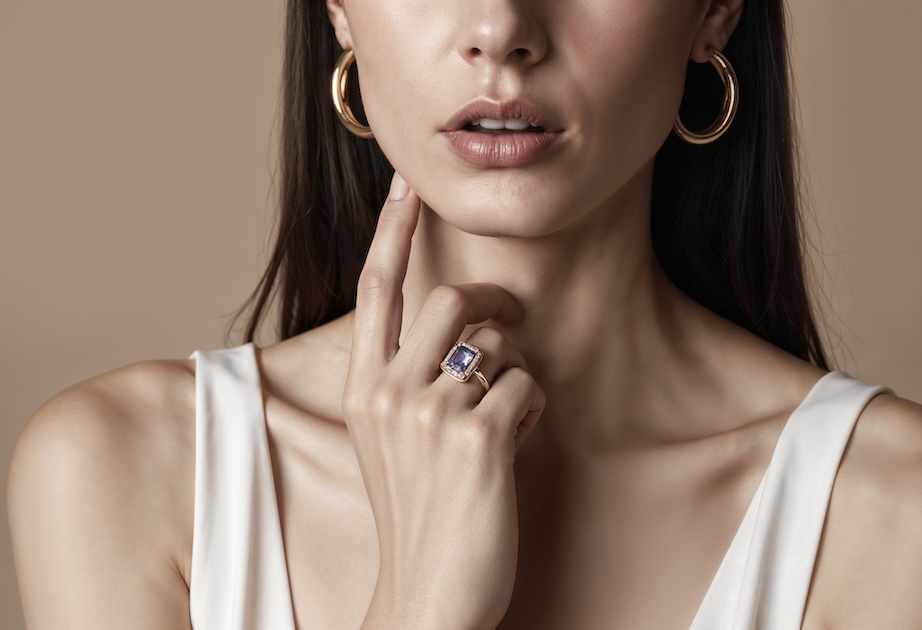
One of the most important elements to examine is how gemstones are set. Prongs should be sturdy and properly aligned, ensuring that stones remain secure over time. Weak or uneven settings are among the most common reasons jewelry becomes damaged or loses its stones, making this a critical factor when choosing a piece intended to last.
The overall structure of the jewelry also matters. Thicker bands, reinforced joints, and well-balanced designs contribute to long-term durability. High-quality craftsmanship is not always immediately visible, but it becomes evident over time as the piece maintains its shape and integrity through years of wear.
Choose Timeless Designs Over Trends
Design plays a crucial role in longevity, not only in terms of physical durability but also in how a piece feels over time. Jewelry that lasts a lifetime should remain relevant and wearable regardless of shifting trends. Classic styles have endured because they offer simplicity and versatility, allowing them to complement a wide range of outfits and occasions.
Trendy designs may feel exciting in the moment, but they often lose their appeal as styles evolve. Pieces with bold, highly specific features can quickly feel dated, which limits how often they are worn. In contrast, timeless designs focus on clean lines and balanced proportions, making them a reliable choice for long-term use.
Practicality should also be considered when selecting a design. Jewelry intended for daily wear should be comfortable and resistant to damage, with settings that protect rather than expose delicate elements. If you are exploring thoughtfully crafted, enduring pieces, collections like those found at https://oathjewelry.com/ reflect the importance of combining lasting design with everyday functionality.
Consider Maintenance and Lifestyle Compatibility
Even the most durable jewelry requires some level of care, and understanding this can help you make better choices. Different materials come with different maintenance needs, and selecting a piece that aligns with your lifestyle ensures it remains in good condition over time. For example, some metals retain their appearance with minimal upkeep, while others may require regular cleaning or refinishing.
Your daily routine should also influence your decision. If you frequently use your hands or engage in physically demanding activities, choosing stronger materials and more secure designs becomes essential. Rings and bracelets tend to experience more wear than other types of jewelry, so they should be selected with durability in mind.
Another important factor is repairability. Precious metals like gold and platinum can often be resized or restored, allowing them to adapt as your needs change. This flexibility contributes to their long-term value, making them a practical choice for pieces intended to last for generations.
Pay Attention to Authenticity and Ethical Sourcing
Longevity is not only about physical durability but also about the integrity of the piece. Authentic materials ensure that your jewelry maintains its value and appearance over time. Hallmarks and certifications can provide reassurance that what you are purchasing is genuine and crafted to recognized standards.
Ethical sourcing has become an increasingly important consideration for many buyers. Knowing where materials come from and how they are obtained adds a layer of confidence and responsibility to your purchase. It reflects a broader awareness of the impact that jewelry production can have on both people and the environment.
Choosing responsibly sourced jewelry also adds meaning to the piece itself. It becomes more than something you wear; it represents values that you can carry forward and share. This deeper significance enhances the idea of jewelry as something worth preserving and passing down.
Conclusion
Jewelry that lasts a lifetime is never the result of chance. It comes from thoughtful decisions about materials, craftsmanship, and design, all working together to create something enduring. By focusing on these elements, you ensure that your investment holds both its beauty and its value over time.
When you choose with intention, your jewelry becomes more than an accessory. It becomes part of your story, something that can be worn daily, cherished deeply, and eventually passed on. In that way, the right piece does not just last a lifetime; it continues to matter long after.
Contributed posts are advertisements written by third parties who have paid Woman Around Town for publication.