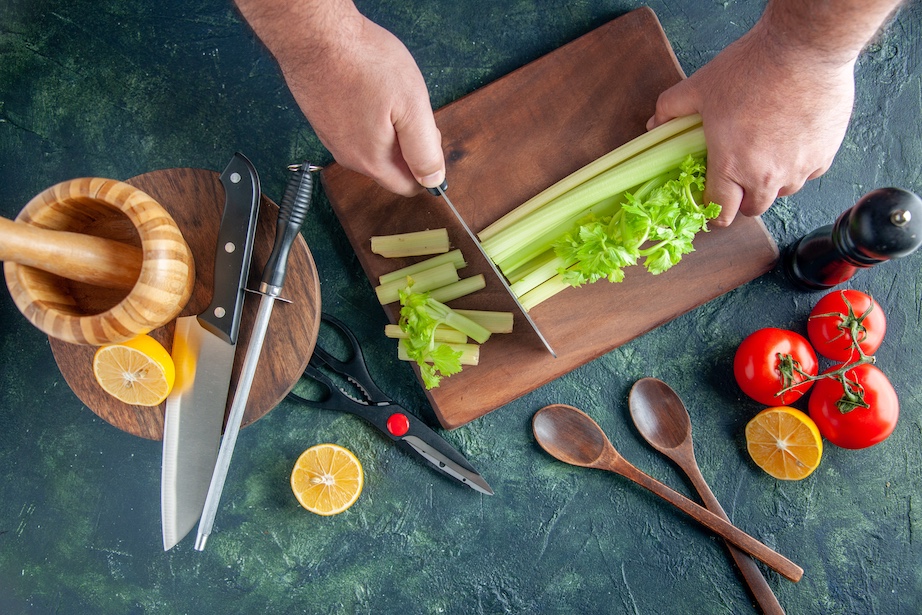
A well-equipped kitchen does not require dozens of specialized tools. In fact, most home cooks can handle nearly every meal with a thoughtfully chosen collection of quality knives. The key is building a lineup that supports both everyday cooking and occasional meat preparation without overcrowding drawers or countertops.
Whether you’re chopping vegetables for a weeknight dinner, slicing fruit for breakfast, preparing family meals, or trimming meat for a weekend barbecue, the right knives can make cooking faster, safer, and more enjoyable.
Start with Everyday Kitchen Essentials
Every practical knife collection should begin with versatile tools that handle the majority of daily tasks. These are the knives most cooks reach for again and again.
A balanced collection typically includes:
- A chef knife for chopping, slicing, and dicing
- A utility knife for smaller cutting tasks
- A paring knife for precision work
- A carving or slicing knife for serving cooked meats
These knives cover a wide range of jobs, from mincing herbs and preparing vegetables to slicing sandwiches and portioning cooked proteins. A nice knife set often combines these essential pieces into one coordinated collection, making it easier to build a reliable kitchen foundation.
Adding Knives for Meat Preparation
For cooks who regularly prepare beef, pork, poultry, or barbecue, additional tools can be extremely helpful. Meat preparation often requires more specialized blades that offer greater control and durability.
Tasks such as trimming fat, removing silver skin, portioning larger cuts, and breaking down poultry place different demands on a knife than everyday vegetable prep.
Useful meat-focused tools may include:
- Boning knives for trimming and detail work
- Slicing knives for roasts and brisket
- Carving knives for serving
- Heavier butcher-style knives for larger cuts
A dependable butcher knife set can provide the versatility needed for these tasks while helping achieve cleaner cuts and more efficient preparation.
What to Look for When Choosing Knives
Regardless of style or purpose, several qualities separate good knives from mediocre ones.
Sharp blades improve precision and require less effort. Comfortable handles reduce fatigue during longer prep sessions. Proper balance increases control, while durable steel helps maintain performance over time. Easy maintenance is equally important, especially for tools that see regular use.
Building a practical knife collection isn’t about owning more knives. It’s about choosing the right ones. With a combination of versatile everyday blades and a few meat-preparation specialists, home cooks can handle nearly any recipe with confidence, efficiency, and better results.
Contributed posts are advertisements written by third parties who have paid Woman Around Town for publication.