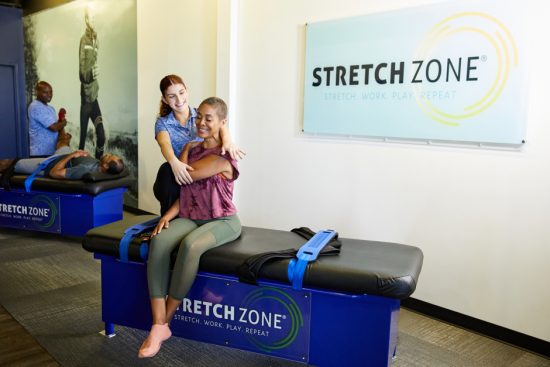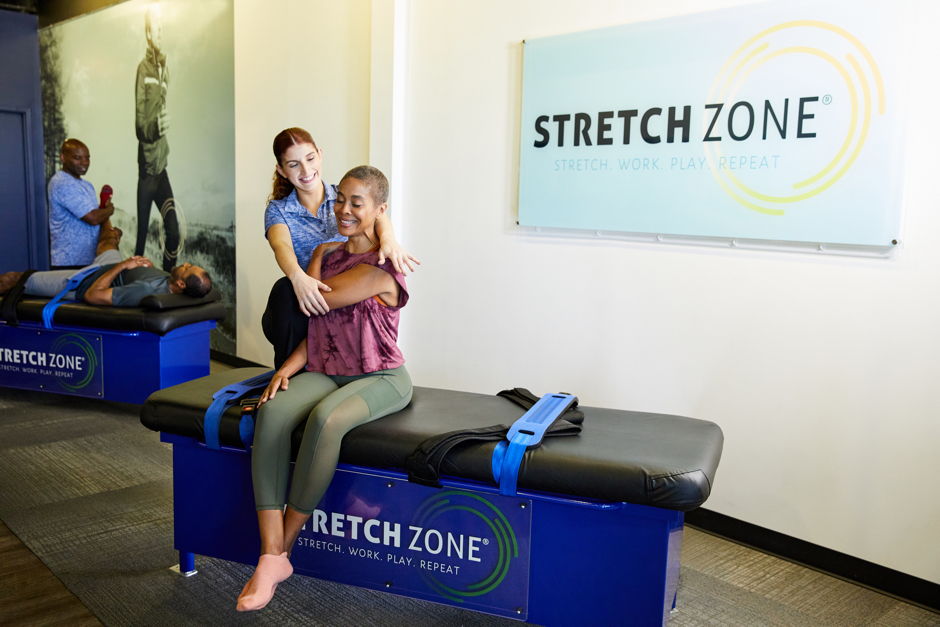
It’s a simple regimen to follow, requires nothing more than a wall, a strap, and a demonstration either by a licensed practitioner or reputable video. Once it becomes a regular routine, it will keep muscles flexible and strong, enable our joints to move through their full range of motion, and keep us balanced. It’s right there on the list of activities we should do regularly, under “cardio” and “strength” training. The American College of Sports Medicine recommends it, the Mayo Clinic recommends it, and the Harvard Health Publishing website agrees.
Many skip it because it’s not always comfortable, or it’s boring and or because some aren’t convinced of its effects.
What we all agree on, however, is that we’ve become a sedentary society. We sit for long hours at the computer, on long car rides, and at the movies. (Has anybody seen The Odyssey…which clocks in at just under three hours?) Think about the habit of binging multiple episodes of our favorite crime thriller which involves lounging on the couch for hours, oftentimes unaware of it until we stand up to microwave a bag of popcorn.
WAT wanted to get more information on this subject especially since the writers, editors and publishers of this website probably sit a bit too much as well. Therefore, this article is as much for them as it is for our readers.
Let’s hear from an expert.
“A sedentary lifestyle can significantly impact the body, and prolonged sitting is strongly associated with back pain, sciatica, and other musculoskeletal issues,” says Taylor Carr, Director of Training at Stretch Zone, an accredited assisted-stretching studio.
If there is one thing Carr wants everyone to know, especially those in their 50’s, 60’s and beyond is that a regular stretching routine is critical to maintaining mobility. “Not only does it improve range of motion, but it reduces pain and tension, improves posture and balance, increases energy and allows us to get better sleep,” she says.
We asked Carr for the areas in the body to pay particular attention to because they play a big role in the activities we like and want to keep doing. Maybe it’s pickleball or biking, or everyday movements like walking upstairs, bending down, and carrying laundry.

Here’s what Carr says to focus on:
- Hip for mobility, to maintain balance and proper walking
- Glutes and Hamstrings can become weak which then affects the lower back
- Ankles and calves need to be stretched and strengthened to keep the body balanced
- Chest stretches to reduce the “rounded shoulder” posture caused by computer work
- Neck and upper back to maintain upper body mobility
- Spine for posture, balance and to prevent back pain
While a variety of stretch-assisted studios like The Stretch Zone are cropping up, Carr does offer some beginner tips for those looking to start off on their own.
She says,
“If you’re just beginning to work on your flexibility or mobility, keep it simple. I would recommend starting with gentle stretches such as a calf stretch against a wall, a figure-four stretch while seated, or a standing crossbody shoulder stretch. You should feel a gentle stretch, but you shouldn’t be pushing through pain.
“As your body becomes more comfortable with the movement, you can gradually increase the range of motion rather than forcing yourself deeper into a stretch. Pushing to the point of discomfort can cause your muscles to tense up, which can make it harder to relax into the movement.
“If you’re stretching before a workout, performing gentle dynamic movements can be a good way to prepare the body for activity. After exercise, you can incorporate static stretches, holding each position for a longer duration of time, without forcing the range of motion.
“Most importantly, listen to your body! Stretching should be gradual and controlled rather than something you try to force. You want your body to enjoy the experience of stretching, rather than resist it.”
To make your stretching routine more enjoyable:
- listen to a podcast, audiobook, or your crime thriller
- mix up the stretch routines; for example, do a few sets of weightlifting, then some balance moves
- perform more active moves like lunges or leg swings to make the activity more appealing, while also working your heart
WomanAroundTown advises anyone looking to start a stretch routine to speak with their doctor and make sure to work with a reputable and certified stretch practitioner.
You can find at-home stretch videos on YouTube. However, search those offered by the stretch-assisted studios whose practitioners are trained and certified by the National Certification Board for Therapeutic Massage & Bodywork.
Photos courtesy of The Stretch Zone