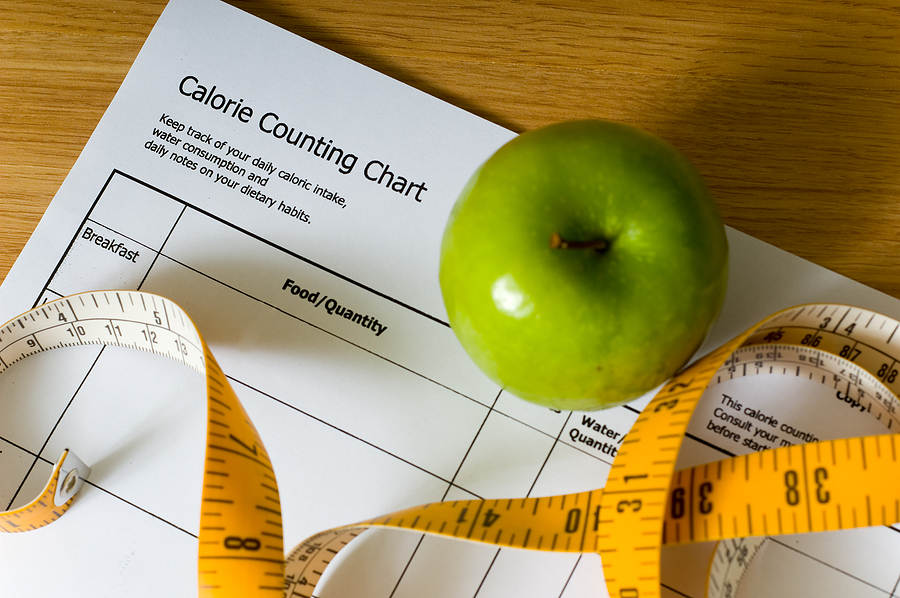
Long before weight loss drugs were touted as an option for people to trim down, an accepted method to maintain a desired weight was exercise and calorie counting. It makes perfect sense. When you are active, the body uses more energy in the form of calories and burning more calories than you consume leads to weight loss. This is according to the 2020-2025 Dietary Guidelines for Americans. Most often, that means cutting daily calories by 500 to 750 to lose 1 1/2 pounds (0.7 kilograms) a week. It’s easy to keep track once you know how many calories you expend and how many you take in with meals, drinks, and snacks. While this method may take some patience and organization, it has long been considered a tried-and-true way of trimming down and keeping the weight off. Some of us may even remember the calorie counting books that were often sold near grocery store check-out counters.
The following is a listing of calories burned during exercise. These calories are based on information from several sources, including the Mayo Clinic. Each of these measurements has been based on an hour of exercise for a person who weighs 160 pounds (73 kilograms). Note that the calories you burn differs depending on the type of exercise you do, how vigorous you are, your weight, and other factors. But this listing is very helpful to give you a good idea of the calories you expend when exercising. Your smart watch or fitness tracker can also help with calculations. And don’t forget that you are burning calories all day, every day whether you are driving a car, sitting and reading, or doing household chores.
Aerobics, low-impact-365 calories
Aerobics, water-402 calories
Bicycling, less than 10 mph, leisure-292 calories
Dancing, ballroom-219 calories
Elliptical trainer, moderate effort-365 calories
Golfing, carrying clubs-314 calories
Hiking-438 calories
Running, 5mph-606 calories
Skiing, downhill-314 calories
Swimming laps, light or moderate-423 calories
Walking, 3.5 miles-314 calories
Now consider the foods you commonly eat and make a few matches with your daily exercise activities! The calorie counts are indicated for specific serving sizes. When you eat out, many restaurants will list the calories for their menu items for your convenience. We have included a some chain restaurant ones, too. Calculate calories for your home cooking by by carefully reading labels on the foods you buy.
4 ounces of vanilla ice cream-145 calories
1 plain bagel- 289 calories
1 slice of wheat or white bread-66 calories
3-ounce boneless, skinless chicken breast roasted-142 calories
1 slice of cheddar cheese-113 calories
1 large scrambled egg-102 calories
2 tablespoons creamy peanut butter-180 calories
1 cup cooked spaghetti with no salt-221 calories
4 ounces of spaghetti sauce ready to serve-92 calories
Medium baked potato including skin-161 calories
Cheesecake Factory Chocolate Mousse Cheesecake-1220 calories
Olive Garden Ravioli Carbonara-1390
McDonalds Big Mac-580 calories
Chick-fil-A Chicken Sandwich-420 calories
Wendy’s Medium Fries-360 calories
Panera-Southwest Caesar Salad with Chicken whole portion-630 calories
Here are some easy calculations based on the numbers above. Your three mile walk at an average pace burns about 314 calories. It may seem like that was a good deal of walking until you realize that you didn’t quite burn off the Chick-fil-A Sandwich you may have for lunch or the cup of cooked spaghetti and 4 ounces of spaghetti sauce you may have for dinner. Leisurely cycling for an hour burns 292 calories, just about as many that are found in a bagel. It would take more than 3 hours on an elliptical to burn off the Cheesecake Factory Chocolate Mousse Cheesecake that has a whopping 1220 calories.
While there’s no one method of developing your healthy lifestyle, exercise and calorie counting is a ready option. If you need more information, here’s a very good website provided by the Mayo Clinic for daily calorie counting. Calorie calculator – Mayo Clinic.
Top photo: Bigstock