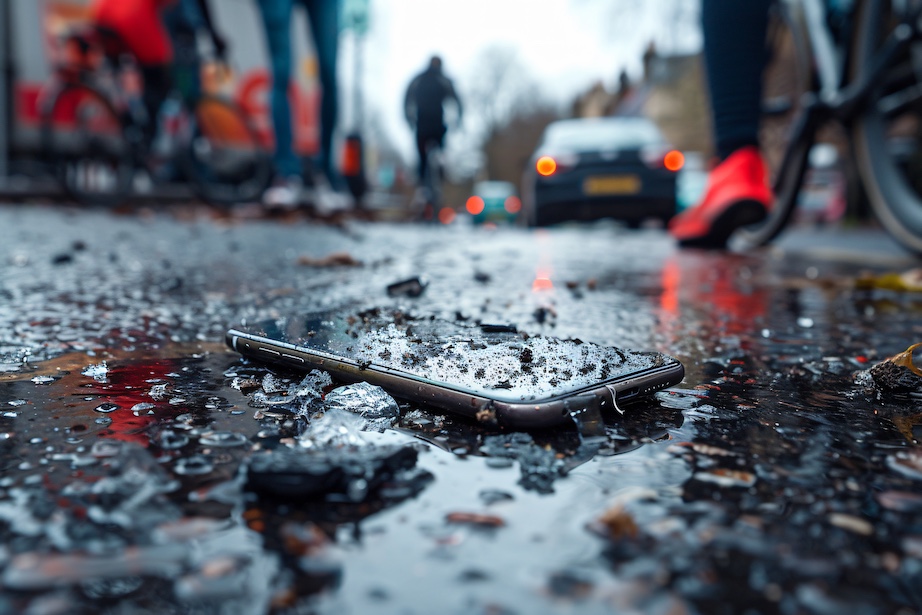
Ten minutes. That’s the window that decides how the next year of your life unfolds after a fender bender, and almost nobody uses it well. I’ve watched friends walk away from a rainy-day crash with nothing but a dented bumper and a vague memory of the other driver saying “totally my fault.” Then the phone calls start, and suddenly the story shifts. The other guy remembers it differently. His insurance adjuster wants a recorded statement. Your version has no backup except your own word. What you do in that first stretch of standing on wet asphalt, phone in hand, quietly determines whether the rest of the process feels like a formality or a fight.
Why the first ten minutes after impact matter more than the next ten days
Insurance companies aren’t villains for wanting evidence. They’re businesses processing thousands of claims, and the ones with the cleanest paper trail move fastest. A claim with three photos, two witness names, and a police report number glides through review. A claim that says “I think the light was green” stalls for weeks while an adjuster orders records and hunts for anyone who saw what happened. You’re not building a case in that moment. You’re just handing the next person in line a reason to believe you.
According to the National Highway Traffic Safety Administration, crashes spike when roads are wet, which means most of us will deal with one eventually. That’s not a reason to panic. It’s a reason to have a plan you can run on autopilot while your hands are still shaking.
Who actually counts as a witness, and why the obvious answer is often wrong
Most people think a witness is the person who saw the crash. That’s a small slice of the pie. A witness is anyone whose observations support even one fact you need confirmed. The barista who watched the other car roll through the stop sign. The rideshare driver idling at the corner. The woman walking her dog who noticed the other driver wasn’t looking at the road. Each of those people holds a piece of the story, and each one will forget details faster than you’d expect. Memory doesn’t fade evenly. It collapses. By Thursday, that stop sign is a blur. By next month, it never happened.
Here’s what I tell anyone who asks: grab the easy stuff first, then worry about whether it’s enough. You don’t need a rock-solid witness. You need a name and a phone number attached to a sentence. That’s it.
The witness sweep: a five-minute routine
- Scan the sidewalk, the parking lot, the bus stop. Look for anyone who’s stopped moving and is watching you.
- Walk toward them and ask one question: “Did you see what happened?” Keep it open. Let them talk.
- Type their name and number into your phone notes while they’re still in front of you. Do it before they leave. People drift away fast.
- Ask if they’re willing to text you a one-sentence version of what they saw. Text messages are dated and time-stamped, which quietly beats a handwritten statement nobody can read.
- Thank them and move on. You’re not deposing anyone out there in the rain.
That’s it. Five steps, maybe four minutes if traffic is still crawling past you.
What to photograph before the tow truck pulls away
Everyone knows to snap the damage. Almost nobody photographs the scene. The position of the cars. The road surface. The traffic light overhead. The street sign, because a surprising number of crashes happen at intersections where two streets have nearly identical names. Get one wide shot that shows everything at once, then move in close. Photograph the other driver’s plate, their insurance card, and their face if they’re willing. I’d rather have an awkward photo than a blank space in the file.
One more thing worth doing: check your own car’s lights and signals before you drive away. A broken taillight that nobody mentions in the moment can become a disputed fact three weeks later. The Insurance Information Institute keeps plain-language guides on what insurers look for after a collision, and most of it comes down to documentation. Nothing exotic. Just paper and pictures.
The sentence that ends most disputes before they start
Write down what happened in your own words that night, while it’s fresh. Not a formal statement. A paragraph in your Notes app. Time, weather, direction of travel, the moment of impact, what the other driver said. Sign it with the date. If the details ever get questioned, you have a version of events that predates every insurance call and every conversation with a lawyer. Courts and adjusters both put weight on contemporaneous notes because they’re hard to manufacture after the fact.
Some people will tell you that’s overkill for a minor collision. I think it’s the single cheapest thing you can do. Ten minutes of typing versus months of “he said, she said.” Easy call.
When to bring in someone who does this every day
No checklist replaces judgment. If the other driver was uninsured, if you’re getting calls from a claims representative who keeps asking for a recorded statement, or if the story you’re hearing doesn’t match what you remember, it’s worth talking to a personal injury attorney before you say anything else on the record. Not because every fender bender needs a lawyer. Most don’t. But the moment the other side starts shaping the narrative, you want someone in your corner who’s been down that road before.
The same goes for crashes where the injury didn’t show up until the next morning. Adrenaline masks a lot. If your neck hurts on Wednesday and the adjuster calls on Tuesday, wait.
A quick recap you can actually use
- Talk to anyone who stopped and is watching. Get a name and number.
- Photograph the scene, the cars, the light, and the street signs.
- Note your own vehicle’s lights and signals before you drive off.
- Write your version that night, in your own words, dated.
None of it requires special training. It just requires deciding to do it before you’re standing in the rain wondering what comes next. Most people skip all four steps and then wonder why the process drags.
Ten minutes now, or ten phone calls later. Your pick.
Contributed posts are advertisements written by third parties who have paid Woman Around Town for publication.