A wallet has to work in the small moments of a busy day: tapping through a station, finding a card at the café, or keeping travel documents together at the airport. The best choice depends less on a label than on what you carry, how much space you have, and which materials you want to use. For shoppers avoiding animal leather, vegan designs now cover everything from slim card holders to full-size organizers.
Start with what you carry
If you mostly use a phone to pay and carry two or three cards, a slim card holder can keep a small bag or coat pocket free of bulk. Check whether you still need room for an ID, a key, or an occasional banknote. A card holder with a zip pocket can help, but only if the pocket is large enough for what you actually carry.
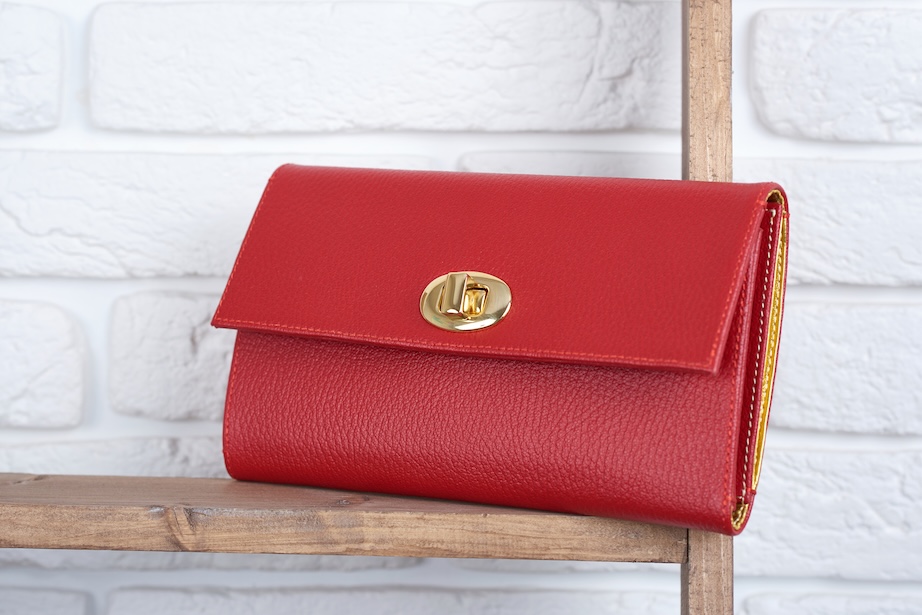
For cash, coins, receipts, and more cards, a zip-around or continental wallet makes it easier to give everything a place. The trade-off is size: measure your everyday bag before choosing a full-length style. A medium zip wallet can be a useful middle ground for a commute, while a larger wallet may earn its space on a trip. If you travel often, check whether a passport wallet fits your passport and boarding documents without forcing the closure.
Look closely at the material
“Vegan leather” describes an animal-free choice, not one uniform material. Microfiber, polyurethane, and cellulose-based composites can differ in texture, structure, and wear. Look beyond the front of the wallet: examine the edges, stitching, lining, and folds, since these take plenty of handling.
A microfiber wallet may appeal if you want a smooth finish that is easy to wipe clean. Kraft paper offers a more tactile look; some versions use cellulose from FSC-certified sources. Neither material alone tells you how long a wallet will last or what its overall environmental impact will be. Construction and how you use it matter too. Check the maker’s care guidance, and avoid assuming any wallet is waterproof.
Check the details you touch every day
Open the wallet as you would in a checkout line. Can you reach the card you use most without emptying the slots? Do the snaps close comfortably when the wallet is filled? A coin compartment is useful only if you can get a coin out easily. For a zip wallet, look for smooth movement, secure stitching around the zip, and enough space that the closure is not under strain.
RFID blocking can be a useful extra if you want a layer designed to reduce unauthorized scans of compatible contactless cards. It is not a substitute for keeping track of your cards or checking transactions, and it is not included in every vegan wallet. Read the specification for the particular style rather than assuming it comes with the material.
Choose a design that fits your values
Avoiding animal leather may be the reason you begin looking, but it does not have to be the only reason you choose a wallet. Doshi’s collection of vegan wallets for women includes compact styles and larger organizers in microfiber and Kraft Paper. Some individual designs specify RFID protection, while details such as card capacity, closures, and dimensions vary by model.
Before buying, count the cards and other items already in your wallet, then compare those needs with the product measurements. Choose the smallest format that holds them comfortably. A wallet that fits your routine, feels good to handle, and uses materials you are happy to carry will be easier to enjoy every day.
Image by serhii_bobyk on Magnific
Contributed posts are advertisements written by third parties who have paid Woman Around Town for publication.