The first bills after a serious injury may not show the full cost of recovery. Emergency care, imaging, medication, and the first follow-up visit are often only the beginning. Months later, the injured person may still be dealing with therapy, specialist visits, home support, missed work, or changes in daily routines that were not obvious right after the accident.
This matters because a personal injury claim should account for losses that are supported by evidence, not only the expenses available during the first few weeks. New Mexico law recognizes different categories of damages in personal injury cases, including medical expenses, pain and suffering, and other losses supported by the facts. New Mexico also follows comparative negligence, which means recovery may be reduced based on the injured person’s share of fault.
1. Follow-Up Medical Care Can Continue Long After the Emergency Visit
A severe injury may require more than emergency treatment. A person may need follow-up visits with an orthopedic doctor, neurologist, pain specialist, physical therapist, or surgeon. These appointments may continue for months as doctors monitor healing, adjust medication, review imaging, or decide whether additional treatment is needed.
When a personal injury attorney in Albuquerque reviews recovery costs, follow-up care can help show that the injury did not end after the first hospital visit. New Mexico jury instructions recognize the reasonable expense of necessary medical care, treatment, and services as a category of damages when supported by the evidence.
2. Physical Therapy and Rehabilitation May Become a Major Expense
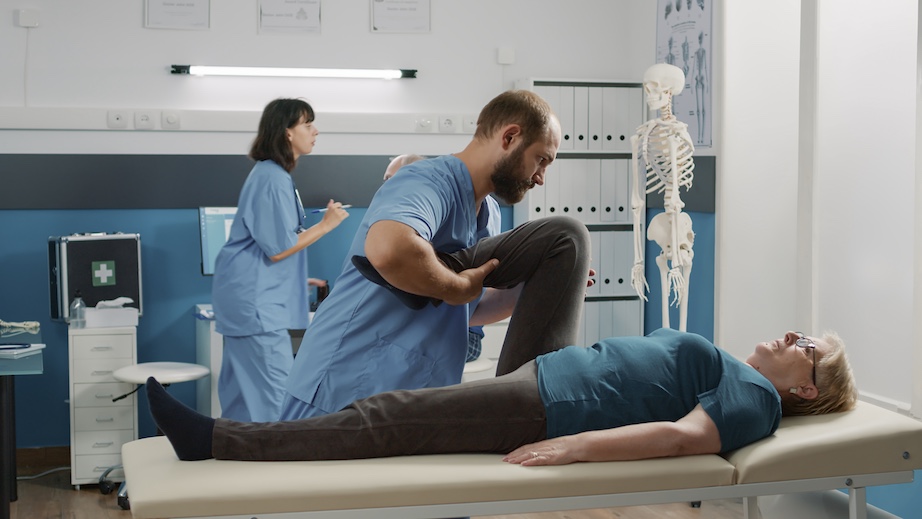
Some injuries require weeks or months of physical therapy. A person recovering from a fracture, spinal injury, shoulder injury, knee injury, nerve damage, or surgery may need repeated sessions to rebuild strength and mobility. These costs can add up gradually, especially when therapy is needed several times per week.
Rehabilitation costs may also include occupational therapy, mobility training, pain management, or home exercise equipment. The records can show how long therapy lasted, whether the person improved, and whether any limitations remained. This type of evidence may help explain why the injury affected daily life beyond the initial diagnosis.
3. Medical Equipment and Home Adjustments May Be Needed
Recovery can also create costs inside the home. A person may need a brace, walker, cane, wheelchair, shower chair, raised toilet seat, hospital bed, or other equipment. In more serious cases, temporary home changes may be needed so the injured person can move around safely.
Helpful records may include:
- receipts for medical equipment;
- prescriptions or doctor recommendations for assistive devices;
- invoices for home modifications;
- photographs showing mobility limitations;
- delivery or installation records;
- insurance approvals or denials;
- caregiver notes about daily assistance; and
- therapy records showing why equipment was needed.
These records can help connect the cost to the injury. They can also show whether the expense was temporary or part of a longer recovery plan.
4. Lost Work May Extend Beyond the First Paycheck
Missed work may not stop after the first few days or weeks. A person may return to work part-time, use unpaid leave, miss shifts for therapy, or lose overtime because of medical restrictions. Some people return to work but cannot perform the same physical duties, which may reduce their income over time.
Work-related records can include pay stubs, tax documents, employer letters, schedules, disability paperwork, and doctor restrictions. New Mexico damages law recognizes losses connected to earnings and earning capacity when the evidence supports them. The distinction matters because past lost wages and future work limitations may require different types of proof.
5. Transportation and Caregiver Costs Can Add Up Quietly
A serious injury can make ordinary travel difficult. The injured person may need rides to medical appointments, transportation to therapy, parking, fuel, or help getting to pharmacies and follow-up care. These costs may seem small at first but can become significant over several months.
Caregiver costs may also appear when the person needs help bathing, dressing, cooking, cleaning, driving, or managing household responsibilities. Even when a family member provides help without payment, the time and effort may show how much the injury changed daily life. Calendars, receipts, mileage logs, and caregiver notes can help document these needs.
6. Future Treatment May Need Stronger Medical Support
Some recovery costs appear only after doctors see how the injury heals. A person may later learn that they need another surgery, pain injections, long-term medication, additional imaging, or continued specialist care. These future costs usually need stronger support because they are based on what is reasonably expected to happen.
New Mexico cases recognize that future pain or future injury-related effects generally need evidence showing they are reasonably certain, especially when the injury is not obvious to a layperson. Medical opinions, treatment plans, imaging results, and specialist reports can help support this type of claim.
Recovery Costs Should Be Tracked as They Develop
A severe injury can create costs that appear slowly. Follow-up care, therapy, medical equipment, missed work, transportation, caregiver help, and future treatment may all become part of the recovery picture. If these losses are not documented, they may be harder to explain later.
A useful record should organize expenses by date, provider, purpose, and connection to the injury. Medical records can show treatment, receipts can show out-of-pocket costs, employment records can show income loss, and personal notes can explain daily limitations. When recovery continues for months, consistent documentation can help show the full cost of the injury rather than only the first bills.
Image by DC Studio on Magnific
Contributed posts are advertisements written by third parties who have paid Woman Around Town for publication.