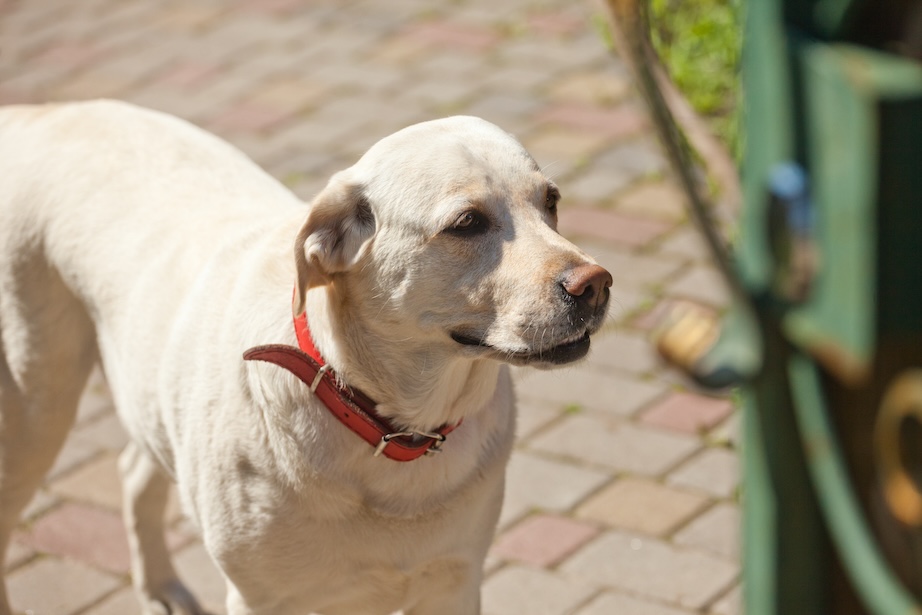
Caring for a dog as they grow older changes the rhythm of everyday life. The pace slows, routines become more intentional, and small moments begin to carry more meaning. What once felt automatic, walks, playtime, even simple movement, may now require extra time, support, and understanding. For many owners, this stage becomes less about activity and more about presence.
Aging in dogs often brings physical limitations, but it also deepens the emotional bond between pet and owner. The need to adapt, observe, and respond patiently becomes part of daily care. In learning to meet those needs, owners often discover that patience is not just a skill, it is something that develops naturally through consistent, compassionate care.
Slowing Down and Adjusting Expectations
One of the first lessons that comes with an aging dog is the need to slow down. Activities that were once quick and effortless may now take longer, requiring adjustments in both routine and mindset.
Dogs may walk more slowly, rest more frequently, or hesitate before certain movements. Rather than pushing for the same level of activity, owners learn to adapt expectations and focus on comfort. This shift encourages a more mindful approach to time, where the goal is no longer efficiency but well-being.
Over time, this change helps owners appreciate smaller moments, reinforcing the idea that quality matters more than speed.
Learning to Read Subtle Changes
Aging dogs communicate differently. Instead of obvious signals, they often show subtle changes in behavior, posture, or movement. Recognizing these signs requires attention and patience.
A slight hesitation before standing, changes in appetite, or altered sleeping patterns can all indicate shifts in health or comfort. Owners learn to observe closely and respond accordingly, often anticipating needs before they become urgent.
This heightened awareness strengthens the connection between dog and owner, creating a deeper level of understanding built on trust and attentiveness.
Supporting Mobility With Care and Compassion
Mobility challenges are common in older dogs, and supporting movement becomes an important part of daily life. Instead of limiting activity entirely, many owners look for ways to help their dogs remain engaged and independent.
Options available when owners explore solutions like a medium dog wheelchair can provide rear support for dogs experiencing weakness or recovery-related limitations, allowing them to continue walking and exploring comfortably. These devices are designed to restore movement while reducing strain on affected limbs, helping dogs stay active despite physical challenges.
Dog wheelchairs are widely recognized as effective mobility aids that help maintain activity levels, reduce pressure on joints, and improve overall quality of life for dogs with mobility issues.
Supporting mobility in this way teaches patience through gradual progress, as dogs adjust at their own pace.
Accepting New Routines
Caring for an aging dog often means establishing new routines. Feeding schedules, exercise patterns, and rest periods may all need to be adjusted to match changing needs.
These routines require consistency, but also flexibility. Some days may be better than others, and adapting to these fluctuations is part of the process. Owners learn to respond to what their dog needs in the moment rather than sticking rigidly to old habits.
This adaptability fosters patience, as care becomes more about responsiveness than routine.
Finding Meaning in Small Improvements
Progress with an aging dog is often measured in small steps. A short walk completed comfortably, a moment of play, or an easier transition from rest to movement can all feel significant.
Unlike younger dogs, where improvement is often rapid, older dogs may show gradual or subtle changes. Recognizing and appreciating these moments requires a shift in perspective.
Owners begin to value consistency and comfort over milestones, learning that even small improvements represent meaningful progress.
Strengthening Emotional Connection
As physical abilities change, emotional connection often becomes even more important. Aging dogs may seek more closeness, reassurance, and interaction.
Spending quiet time together, maintaining familiar routines, and offering comfort all contribute to a stronger bond. This stage of life often deepens the relationship, as care becomes more attentive and intentional.
Patience plays a central role here, allowing owners to fully engage with their dog’s needs without frustration or urgency.
Embracing the Long-Term Perspective
Loving an aging dog encourages a long-term perspective on care. Decisions are no longer about immediate outcomes but about sustained comfort and quality of life.
This mindset helps owners focus on what truly matters, ensuring that their dog feels safe, supported, and cared for. It also reinforces the importance of consistency and ongoing attention.
From a broader perspective, veterinary and animal care guidance emphasizes that maintaining mobility, adapting routines, and providing supportive care are essential for preserving both physical health and emotional well-being in aging dogs, highlighting the importance of patience and thoughtful care throughout every stage of life.
Image by freepic.diller on Magnific
Contributed posts are advertisements written by third parties who have paid Woman Around Town for publication.