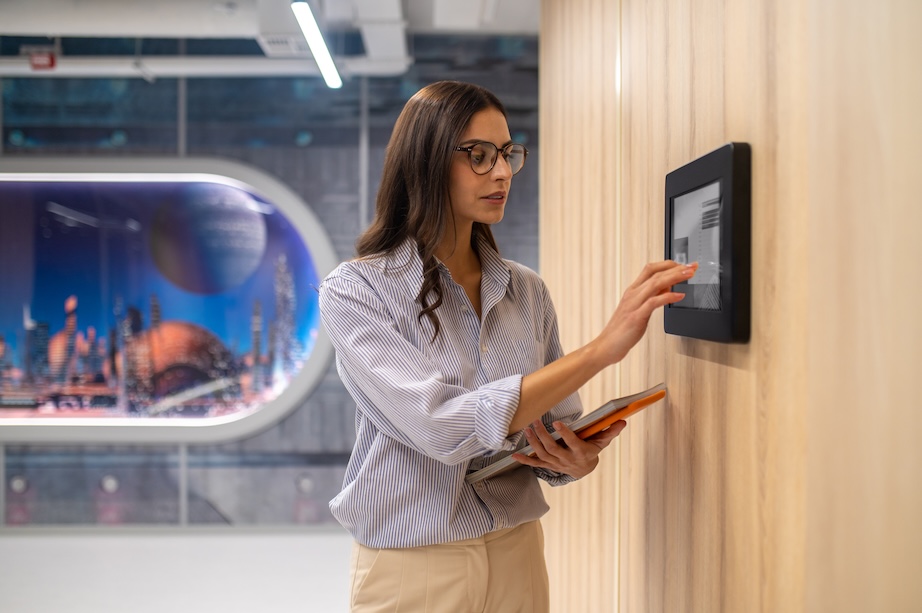
School safety is no longer just about locked doors and staff supervision. It has become a critical priority for parents, educators, and policymakers around the world. In fact, recent data shows that over 93% of public schools now use security cameras, while 97% actively control access to school buildings during the day. These numbers highlight a clear shift toward smarter, technology-driven safety measures.
But while surveillance plays an important role, it is only one part of the bigger picture. The real transformation in school safety is happening at entry points, hallways, and restricted areas. This is where modern access control systems are making the biggest difference.
Today, schools are turning to advanced solutions that go beyond simple locks and keys. A well-designed access control management system is helping create safer, more controlled environments where children can learn without unnecessary risks.
Why Traditional School Security Is No Longer Enough
For many years, school security relied on manual processes. Visitors signed in at the front desk, staff monitored hallways, and doors were locked during school hours. While these methods still exist, they are no longer sufficient on their own.
The reality is that schools are busy environments. Hundreds or even thousands of students, teachers, and visitors move through buildings every day. In such dynamic settings, manual monitoring leaves gaps that can be exploited.
Even with cameras installed, incidents can still occur if access is not properly controlled. Cameras record events, but they do not always prevent them. This is why schools are shifting toward systems that actively manage who can enter specific areas and when.
What Is an Access Control Management System in Schools
An access control system is a technology that regulates entry into buildings or specific areas using digital credentials. Instead of relying on physical keys, schools can use keycards, mobile access, PIN codes, or even biometric authentication.
A modern Coram-powered access control management system allows schools to:
- Control who enters the campus and specific zones
- Set schedules for access permissions
- Track entry and exit activity in real time
- Restrict unauthorized movement within the building
This level of control ensures that only authorized individuals can access sensitive areas such as classrooms, labs, or administrative offices.
Improving School Entry Security
One of the most critical vulnerabilities in any school is the main entrance. Without proper controls, it becomes difficult to verify who is entering the premises.
Access control systems solve this by introducing structured entry protocols. Visitors can be required to check in digitally, while staff and students use secure credentials to gain access.
Many systems now integrate with video surveillance, allowing administrators to visually verify entry events. This combination of access control and real-time monitoring creates a strong first line of defense.
As a result, schools can significantly reduce the risk of unauthorized individuals entering the campus.
Limiting Access to Sensitive Areas
Not every part of a school should be accessible to everyone. Areas such as staff rooms, laboratories, server rooms, and administrative offices often contain sensitive information or equipment.
With an access control system, schools can assign permissions based on roles. For example, teachers may have access to certain rooms, while students are restricted from entering them.
This reduces the risk of theft, vandalism, and accidental misuse of equipment. It also ensures that confidential information remains protected.
Enhancing Emergency Response
In emergency situations, every second matters. Whether it is a security threat, medical emergency, or lockdown scenario, schools need systems that enable quick and coordinated responses.
Access control systems play a crucial role here. Administrators can instantly lock or unlock doors across the campus, control movement, and guide people to safe areas.
Some advanced platforms also integrate with emergency management tools, allowing alerts to be triggered automatically when suspicious activity is detected.
This level of automation can help schools respond faster and more effectively during critical situations.
Supporting Accountability and Transparency
Another major advantage of access control systems is the ability to track activity. Every entry and exit is recorded, creating a digital log that administrators can review if needed.
This improves accountability across the board. Schools can:
- Monitor staff attendance and movement
- Investigate incidents more efficiently
- Ensure compliance with safety policies
For parents, this transparency brings peace of mind. Knowing that the school has a reliable system in place to monitor access helps build trust.
Reducing Human Error
Manual security processes are prone to mistakes. A visitor might forget to sign in, a door might be left unlocked, or staff may overlook unusual activity during busy hours.
Automation reduces these risks. Access control systems enforce rules consistently, without relying solely on human intervention.
For example, doors can automatically lock after a certain time, and unauthorized access attempts can trigger alerts instantly. This ensures that security measures are applied reliably at all times.
Integration With Modern School Technology
Today’s schools are becoming increasingly connected. From digital attendance systems to smart classrooms, technology is transforming the education environment.
Access control systems are designed to integrate seamlessly with these technologies. They can work alongside:
- Video surveillance systems
- Visitor management platforms
- Emergency alert systems
- School management software
Platforms like Coram take this a step further by combining access control with AI-powered monitoring and real-time insights. This creates a unified security ecosystem that is easier to manage and more effective overall.
Building Safer School Communities
Safety is not just about preventing threats. It is also about creating an environment where students feel secure and supported.
When schools implement access control systems, they send a clear message that safety is a priority. This can positively impact student confidence, teacher performance, and overall school culture.
Parents are also more likely to trust schools that invest in modern safety measures. In a time when safety concerns are at the forefront, this trust is invaluable.
Challenges and Considerations
While access control systems offer many benefits, schools must also consider certain factors before implementation.
Privacy is one of the most important concerns. Schools need to ensure that data is handled responsibly and in compliance with regulations.
Cost is another consideration. However, many modern systems are designed to work with existing infrastructure, making upgrades more affordable.
Training is also essential. Staff must understand how to use the system effectively to maximize its benefits.
When implemented thoughtfully, these challenges can be managed without compromising the advantages of the system.
The Future of School Safety
The future of school safety lies in integration and intelligence. As technology continues to evolve, access control systems will become even more advanced.
We can expect features such as AI-driven threat detection, mobile-based access, and predictive analytics to play a larger role. These innovations will help schools move from reactive security to proactive safety management.
The goal is simple but powerful. Create an environment where risks are minimized before they escalate.
FAQs
What is an access control management system in schools?
It is a digital system that regulates who can enter a school or specific areas using credentials like keycards, mobile access, or biometrics.
How does it improve school safety?
It prevents unauthorized access, tracks movement, and enables quick response during emergencies, making schools more secure overall.
Is it better than traditional security methods?
Yes, because it automates security processes, reduces human error, and provides real-time monitoring and control.
Are these systems expensive for schools?
Costs vary, but many modern solutions are scalable and can work with existing infrastructure, making them more affordable than before.
Do access control systems affect student privacy?
They can be implemented in a privacy-conscious way, with proper policies and data protection measures in place.
Conclusion
School safety is evolving, and technology is playing a central role in that transformation. While cameras and staff supervision remain important, they are no longer enough on their own.
Access control systems are changing the way schools manage security by focusing on prevention, control, and real-time response. They help create structured environments where risks are minimized and safety is prioritized.
For parents, this means greater peace of mind. For schools, it means stronger protection and better accountability.
As education continues to modernize, one thing is clear. Investing in smarter security systems is no longer optional. It is essential for building safer schools for the next generation.
Image by zinkevych on Magnific
Contributed posts are advertisements written by third parties who have paid Woman Around Town for publication.