You press the garage door remote and wait a second longer than usual, just enough to wonder if it is going to respond or not. It still opens, so you move on. That hesitation, small as it feels, is often where problems begin.
Garage doors rarely fail all at once. They wear down slowly, in ways that are easy to overlook when everything still seems to work. A slight delay, a strange sound, a small shift in movement. These things do not stop your day, so they get ignored. But over time, they tend to stack up, and that is when the cost starts to climb.
The Small Changes Most People Ignore
It usually starts with sound. A door that used to open quietly begins to make a grinding or rattling noise. Not loud enough to alarm you, just different. That change matters more than people think.
Movement is another sign. If the door jerks a bit while opening or closing, or if it does not sit evenly when shut, something underneath is likely wearing out. Springs, cables, or tracks could be involved, though it is not always obvious from the outside.
There is also the speed. A garage door that moves more slowly than it used to is not just aging. It may be struggling. The system is working harder than it should, and that strain tends to affect other parts over time.
Knowing When to Call a Professional
At a certain point, it becomes less about spotting the issue and more about deciding what to do next. Many homeowners wait until the door stops working completely, which is understandable but not ideal. By then, the damage is often larger than it needed to be. At this point, you need to call a reliable garage door repair company for help.
Professional inspection and timely repairs can keep things from reaching that stage. A trained technician can usually tell, within a short visit, whether a part is close to failing or still has some life left. That kind of insight is hard to get from a quick look. Working with professionals can help shift the approach from reacting to problems to staying ahead of them. It is less about fixing emergencies and more about keeping the system stable over time.
Why Minor Issues Turn into Bigger Costs
A garage door system depends on balance. Springs carry weight, cables guide movement, and tracks keep everything aligned. When one part starts to fail, the others compensate. At first, that compensation hides the issue. Over time, though, the strain spreads. A weak spring puts pressure on the opener. Misaligned tracks wear down rollers. What could have been a small repair becomes a chain of problems.
Visual Clues That Should Not Be Missed
Some signs can be seen without much effort, though they are often overlooked. Cables that look frayed or loose are a clear warning. They are under tension, and if they fail, the door may not move safely. Rust is another detail that seems minor but is not. It weakens metal parts over time. Hinges, springs, and tracks can all be affected. A small patch of rust today can lead to a break later.
The door panels themselves can also show signs. Cracks, warping, or dents may not stop the door from working right away, but they can affect balance and alignment.
The Role of Regular Use
Garage doors are used more often than people think. For many homes, it is the main entry point. Open in the morning, close when leaving, open again later. The cycle repeats daily. That constant use leads to wear, even if the system was installed well. Parts are designed to handle a certain number of cycles. Understanding this helps set expectations. A door that has been used heavily for years is more likely to show issues, even if it has been maintained.
Sensors and Safety Features
Modern garage doors include safety sensors, usually placed near the bottom of the tracks. They are meant to stop the door if something is in the way. When these sensors fail or become misaligned, the door may refuse to close or may reverse suddenly.
This can seem like a minor inconvenience, but it is often a sign that something needs attention. Dust, debris, or slight shifts in alignment can affect how sensors work. Ignoring it may not be dangerous right away, but it reduces the reliability of the system.
When It Starts to Feel Unpredictable
One of the clearest signs that a garage door needs attention is inconsistency. It works fine one day, struggles the next. Sometimes it responds quickly, other times it hesitates. That unpredictability usually means the system is no longer stable. Something is wearing out unevenly. The problem may not be visible, but it is there. This is where many homeowners start to feel uneasy, even if they cannot point to a specific issue. That feeling is often accurate. Systems that behave inconsistently tend to fail sooner rather than later.
Garage doors are easy to ignore because they sit at the edge of daily life. But when they stop working, they become hard to ignore very quickly. Catching issues early keeps them in that quieter space, where they are easier to manage and less expensive to fix.
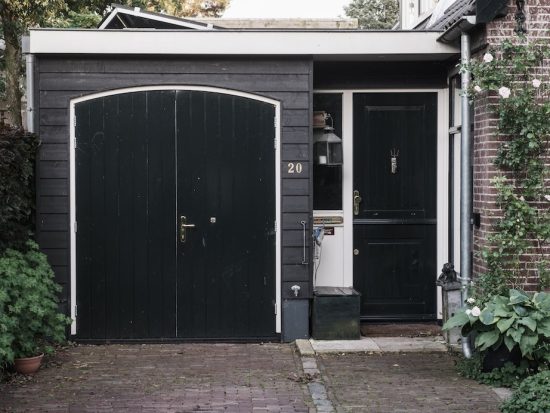
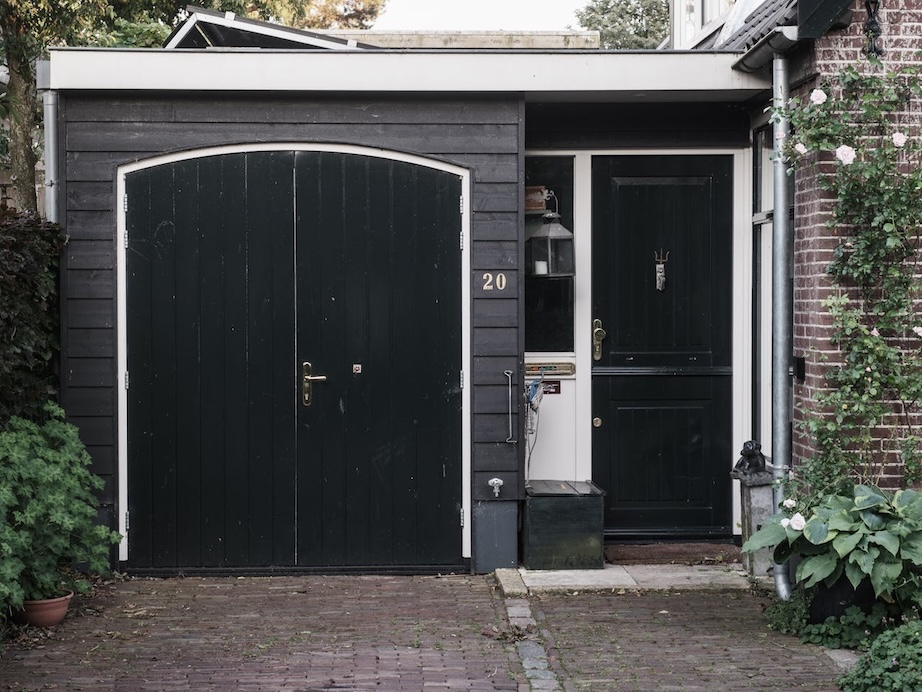
Image by Haberdoedas Photography on pexels.com
Contributed posts are advertisements written by third parties who have paid Woman Around Town for publication.