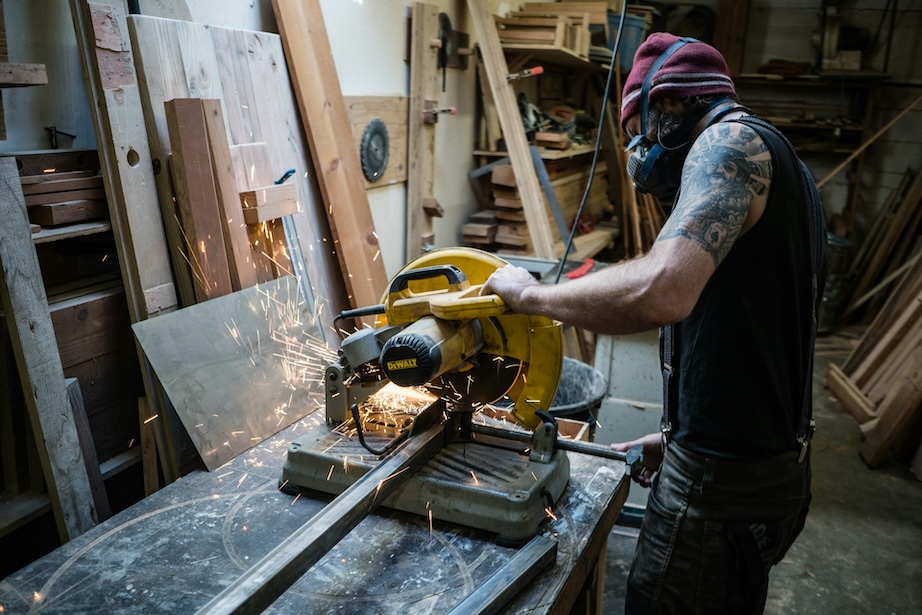
Running a workshop comes with a long list of responsibilities that go far beyond getting the job done. Every piece of equipment, every process, and every decision plays a role in keeping operations smooth and workers protected. Owners who treat safety and cost management as two separate goals often find themselves overwhelmed. The truth is, the two are deeply connected, and getting one right almost always helps with the other.
Keeping Equipment in Working Order
One of the biggest ongoing expenses in any workshop is equipment maintenance. When machinery breaks down unexpectedly, the costs add up fast. There are repair bills, replacement parts, and the lost hours where nothing productive happens. On top of that, faulty equipment creates real danger for anyone working nearby. A piece of gear that overheats, leaks, or malfunctions can cause serious injuries and put the entire team at risk.
Many workshops still run forklifts and other heavy equipment on LPG because of its lower emissions and fuel efficiency compared to diesel or gasoline alternatives. That cleaner operation depends heavily on a regulator within the fuel system, a small but critical component that converts liquid propane into vapor and controls the pressure at which it reaches the engine.
Letting this LPG regulator fall into disrepair can lead to inconsistent engine performance, fuel waste, and potentially hazardous leaks in enclosed spaces. Rebuilding or replacing worn components before they fail completely is one of the smartest investments a workshop can make.
The same principle applies across the board. Scheduled inspections and preventive care for all tools and machines help avoid emergency shutdowns. A workshop that catches problems early spends far less in the long run than one that waits for things to break.
Building a Culture That Puts Safety First
Safety is not just about equipment. It lives in the habits and attitudes of every person on the floor. A workshop can have the best tools and the newest machines, but if workers cut corners or ignore protocols, accidents will happen. Creating a culture where safety is everyone’s business takes consistent effort and clear leadership.
Regular training sessions keep workers sharp and aware of the latest procedures. These sessions should not feel like a formality. They need to address real scenarios that workers actually face during their shifts. When people understand the why behind each rule, they are far more likely to follow through on their own.
Posting clear guidelines in visible areas also helps reinforce expectations. Signage should cover protective gear requirements, emergency exits, proper handling of materials, and the correct procedures for operating each piece of equipment. Keeping these reminders in plain sight turns safe behavior into a reflex rather than an afterthought.
Managing Costs Without Cutting Corners
Cost management in a workshop setting requires a careful balance. Slashing budgets in the wrong areas can lead to bigger problems down the road. Choosing the cheapest parts, skipping routine maintenance, or understaffing shifts might save money for a few weeks, but the consequences often show up as breakdowns, injuries, and lost productivity.
Smart cost management starts with tracking where money actually goes. Keeping detailed records of purchases, repairs, and downtime makes patterns visible. Maybe one machine eats through parts faster than others. Maybe a particular supplier consistently delivers lower-quality items that wear out sooner. These insights help owners make better purchasing decisions and negotiate from a position of knowledge.
Buying quality parts and materials is another area where spending a little more upfront pays off. Components that last longer, perform better, and meet safety standards reduce the frequency of replacements and keep workflows moving without interruption. Workers also feel more confident when they know they are using reliable gear.
Organizing the Workspace for Efficiency
A cluttered workshop is a dangerous workshop. Loose cables, scattered tools, and blocked pathways create tripping hazards and slow everything down. Workers waste time searching for what they need when items are not stored in designated spots. Beyond the productivity hit, disorganization increases the chance of accidents and makes emergency evacuations more difficult.
Establishing a clear layout where every tool has a home and every aisle stays open takes discipline, but the payoff is significant. Labeling shelves and storage areas, using shadow boards for hand tools, and setting up dedicated zones for different tasks all contribute to a smoother operation. When workers can find what they need without searching, they spend more time doing productive work and less time dealing with frustration.
Regular cleanups at the end of each shift help maintain order. Making it a team responsibility rather than one person’s job ensures that everyone takes ownership of the shared space.
Staying Ahead with Compliance and Documentation
Workshops that operate without proper documentation and compliance checks are gambling with their future. Inspections from regulatory bodies can happen at any time, and failing one can result in fines, forced shutdowns, or worse. Keeping detailed records of safety audits, equipment inspections, maintenance logs, and employee training sessions protects the business from legal trouble and demonstrates a commitment to doing things the right way.
Digital record-keeping systems have made this process easier than ever. Logging inspections and repairs in a centralized system means that nothing falls through the cracks. When an auditor asks for proof that a machine was serviced on schedule, the answer is a few clicks away instead of a frantic search through filing cabinets.
Compliance is not just about avoiding penalties, though. It is a reflection of how seriously a workshop takes its responsibilities to its workers and its community. Businesses that stay on top of regulations earn trust from employees, clients, and partners alike.
Running a workshop that is both cost-effective and safe is not about choosing one priority over the other. It is about recognizing that they support each other at every turn. When equipment is maintained, workers are trained, costs are tracked carefully, and compliance stays current, the result is a workshop that runs efficiently and keeps everyone going home in one piece.
Photo by Sherman Yang on Unsplash
Contributed posts are advertisements written by third parties who have paid Woman Around Town for publication.