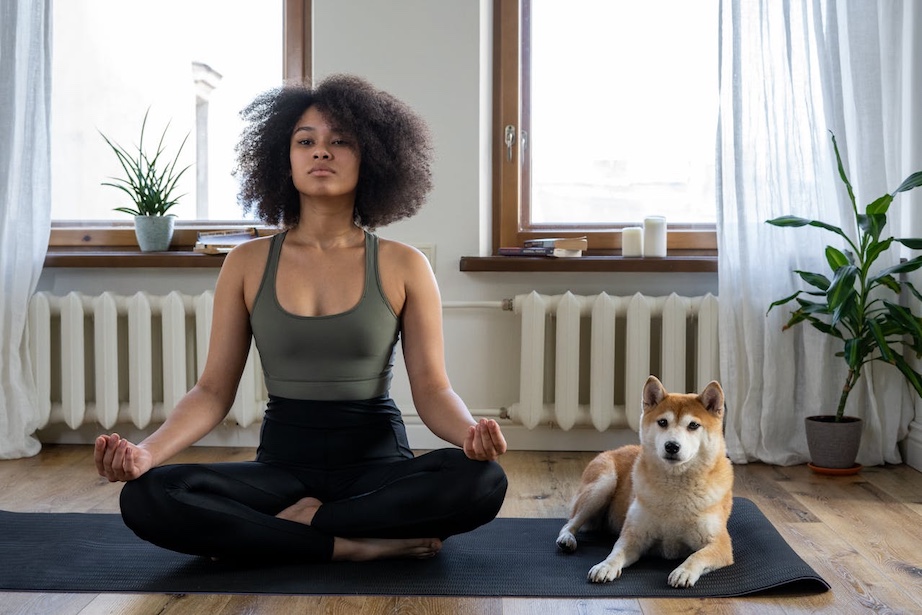
Choosing a dog as a single woman involves more than just picking the cutest puppy at the shelter. The right canine companion should match your lifestyle, living situation, and emotional needs while offering the security, companionship, and joy that make dog ownership so rewarding.
Whether you live in a studio apartment or a house with a yard, work long hours or have a flexible schedule, understanding which breeds and temperaments align with your daily reality will help you make a choice that benefits both you and your future pet.
The best dog for a single woman typically falls into categories based on size, energy level, trainability, and temperament. Medium-sized breeds like Cavalier King Charles Spaniels, Golden Retrievers, and Standard Poodles often strike an ideal balance between manageability and presence.
Smaller breeds such as French Bulldogs, Boston Terriers, and Cocker Spaniels work exceptionally well for apartment living while still providing a sense of security. Larger breeds like Labrador Retrievers and German Shepherds appeal to women seeking both companionship and protection, though they require more space and exercise.
The question of what makes a dog “best” depends entirely on your personal circumstances. In this article, Woman Around Town explores how a dog that thrives with an active owner who enjoys hiking every weekend will struggle with someone who prefers quiet evenings at home. Similarly, a breed that needs minimal grooming might suit a busy professional better than a high-maintenance coat that requires regular trips to the groomer.
Matching Energy Levels and Living Spaces
Your living environment and activity level should guide your decision more than appearance or popularity. High-energy breeds like Australian Shepherds, Border Collies, and Jack Russell Terriers need significant daily exercise and mental stimulation. Without adequate outlets for their energy, these intelligent dogs may develop destructive behaviors or anxiety. They thrive with owners who run, hike, or engage in dog sports.
Moderate-energy dogs offer versatility for women with varied schedules. Breeds like Brittany Spaniels, English Springer Spaniels, and mixed breeds with terrier or spaniel heritage typically enjoy walks and playtime but can also settle down for quiet evenings. These dogs adapt well to both active weekends and busier workweeks.
Low-energy breeds suit apartment dwellers and those with less physically demanding lifestyles. Basset Hounds, Shih Tzus, and English Bulldogs require regular walks but are content with moderate exercise. These breeds often make excellent companions for women working from home or those who prefer leisurely neighborhood strolls to vigorous activities.
Trainability and First-Time Ownership
If you have never owned a dog before, trainability becomes a critical factor. Some breeds learn commands quickly and aim to please their owners, while others possess independent streaks that challenge even experienced handlers.
Highly trainable breeds include Golden Retrievers, Poodles (all sizes), Labrador Retrievers, and Papillons. These dogs respond well to positive reinforcement training and typically master basic obedience with consistency. Their eagerness to learn makes the adjustment period smoother for first-time owners.
Moderately trainable dogs like Beagles, Cocker Spaniels, and many terrier breeds require more patience but still make wonderful companions. They may be easily distracted by scents or small animals, necessitating extra training time and creativity in your approach.
Breeds with independent temperaments, such as Afghan Hounds, Basenjis, and some hound varieties, often prove more challenging for novice owners. While these dogs bond deeply with their people, they were bred to work independently and may not prioritize following commands.
Safety Considerations and Protective Instincts
Many single women prioritize a dog that offers some level of protection or at least alerts them to unusual activity. This does not necessarily mean choosing a traditionally “guard dog” breed, but rather considering temperament and vocal tendencies.
Alert barkers include breeds like Miniature Schnauzers, Shetland Sheepdogs, and many terrier varieties. These dogs vocalize when someone approaches your door or when they notice unusual sounds, providing an extra layer of awareness without aggressive tendencies.
Naturally protective breeds such as German Shepherds, Doberman Pinschers, and Rottweilers bond intensely with their owners and will defend their homes if necessary. However, these breeds require experienced handling, thorough socialization, and ongoing training to ensure their protective instincts remain appropriate.
For women seeking security without managing a large, powerful breed, breeds like Australian Cattle Dogs, Standard Schnauzers, or even confident small breeds like Boston Terriers can offer alertness and loyalty in more manageable packages.
Support Dog and The Emotional Connection
Dogs provide measurable mental health benefits that extend far beyond simple companionship. Research consistently demonstrates that dog ownership reduces cortisol levels, lowers blood pressure, and decreases feelings of loneliness and isolation. For single women, particularly those living alone or far from family, a dog offers daily structure, unconditional acceptance, and a reason to maintain healthy routines.
A mental health support dog differs from a service dog in important ways. While service dogs undergo extensive training to perform specific tasks for people with disabilities, mental health support dogs (often called emotional support animals) provide comfort through their presence and the human-animal bond. Any breed can serve in this capacity, though certain temperaments prove more naturally suited to the role.
Breeds with calm, intuitive temperaments often excel as mental health support companions. Cavalier King Charles Spaniels were bred specifically as companion dogs and possess an almost uncanny ability to sense their owner’s emotional state. Golden Retrievers and Labrador Retrievers demonstrate similar sensitivity, often seeking out their owners during moments of stress or sadness.
The therapeutic value of canine companions extends to daily routines that support mental wellness. Dogs require regular walks, which means even on difficult days, you have a reason to go outside, move your body, and potentially interact with neighbors or other dog owners. This built-in structure can be particularly valuable for women managing depression, anxiety, or grief.
The Therapeutic Benefits of Canine Companions
The benefits of dog ownership operate on multiple levels, from the biochemical to the social. Physical touch with dogs releases oxytocin in both humans and canines, creating a feedback loop of bonding and calm. The simple act of petting a dog can lower heart rate and create feelings of peace.
Dogs also combat isolation by facilitating social connections. Dog parks, training classes, and even neighborhood walks create opportunities for interaction that might not otherwise occur. For women who have relocated for work or are rebuilding social networks after life changes, dogs serve as natural conversation starters and community entry points.
The non-judgmental presence of a dog offers a safe space for emotional expression. You can talk through problems aloud, cry without embarrassment, or simply sit in companionship during difficult times. Dogs do not offer advice, criticism, or solutions, but they provide something equally valuable through their consistent, accepting presence.
Breeds particularly noted for their therapeutic qualities include Golden Retrievers, Labrador Retrievers, Poodles (all sizes), Cavalier King Charles Spaniels, and many mixed breeds combining these lines. However, the therapeutic value of canine companionsdepends more on the individual dog’s temperament and your bond than on breed alone.
Practical Considerations for Long-Term Success
Beyond breed characteristics, consider the practical realities of dog ownership. Grooming requirements vary dramatically between breeds. Poodles, Portuguese Water Dogs, and many terriers require professional grooming every six to eight weeks, adding ongoing expense. Conversely, breeds like Beagles, Boxers, and most short-haired dogs need only regular brushing and occasional baths.
Health considerations matter significantly. Some breeds face expensive inherited health issues. French Bulldogs and English Bulldogs often struggle with breathing problems and require careful monitoring in hot weather. Large, deep-chested breeds like Great Danes and Dobermans face higher risks of bloat, a life-threatening condition. Researching breed-specific health concerns helps you anticipate potential veterinary costs and care requirements.
Your work schedule influences the breeds you should consider. Breeds prone to separation anxiety, including many herding dogs and companion breeds, struggle when left alone for extended periods. If you work long hours outside your home, consider adopting an older dog with established coping skills or a more independent breed. Alternatively, budget for dog walkers or daycare services.
Choosing The Right Companion Dog For You
Visit local shelters and rescue organizations to meet dogs in person. Breed tendencies provide useful guidelines, but individual personality matters tremendously. A calm, confident mixed-breed dog may suit your lifestyle better than a purebred with perfect credentials but anxiety issues.
Consider fostering before adopting. Many rescue organizations offer foster-to-adopt programs that let you ensure compatibility before making a permanent commitment. This trial period benefits both you and the dog, reducing the likelihood of returns and failed placements.
Speak honestly with shelter staff and rescue volunteers about your lifestyle, concerns, and hopes. Experienced animal welfare professionals can guide you toward dogs that match your reality rather than your idealized vision of dog ownership.
The best dog for a single woman ultimately depends on honest self-assessment and realistic expectations. The right match creates a partnership that enhances your life, supports your mental health, and provides years of companionship and joy.
Photo by cottonbro studio at pexels.com
Contributed posts are advertisements written by third parties who have paid Woman Around Town for publication.