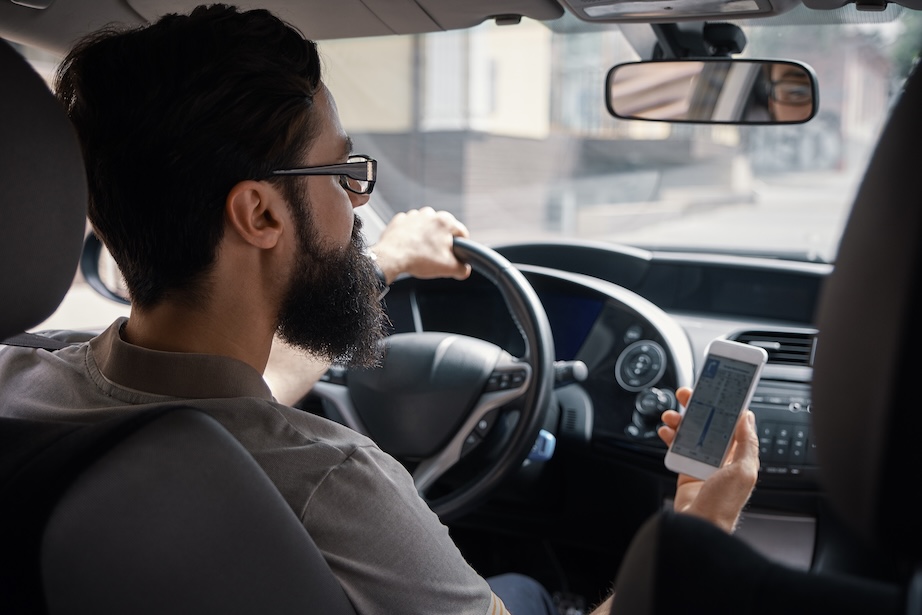
Uber accidents are commonly caused by distracted driving, driver fatigue, speeding, and reckless behavior on the road. Because rideshare drivers spend long hours navigating traffic while relying heavily on mobile apps, the risk of accidents can increase compared to ordinary drivers.
Understanding the most common causes of these crashes can help passengers, drivers, and other motorists stay safer and recognize potential dangers on the road. In recent years, Uber accidents have become a growing concern as rideshare services continue expanding across major cities and suburban areas. Knowing what contributes to these accidents is important for both prevention and legal awareness.
1. Distracted Driving
Distracted driving is one of the leading causes of Uber accidents. Unlike many traditional drivers, Uber drivers depend on smartphone apps to accept rides, follow GPS directions, communicate with passengers, and manage trip details. Constant interaction with a mobile device can easily divide a driver’s attention.
Common distractions include:
- Looking at GPS navigation
- Accepting or declining ride requests
- Texting or messaging passengers
- Adjusting music or app settings
- Talking with passengers while driving
Even a few seconds of distraction can lead to serious consequences, especially in heavy traffic or high-speed areas. A driver who looks away from the road may fail to notice sudden stops, pedestrians, or changing traffic signals.
Distracted driving becomes even more dangerous at night or during poor weather conditions when visibility is already reduced.
How It Can Be Prevented
Drivers can reduce distractions by:
- Setting navigation before driving
- Pulling over safely when using the app
- Using hands-free technology
- Limiting unnecessary phone interactions
Passengers should also avoid encouraging distracting conversations that take the driver’s focus away from the road.
2. Driver Fatigue
Fatigue is another major contributor to Uber accidents. Many rideshare drivers work long hours or drive as a second job after already completing a full workday elsewhere. Exhaustion can significantly impair reaction times, decision-making, and concentration.
Tired drivers may experience:
- Slower reflexes
- Difficulty focusing
- Delayed braking responses
- Reduced awareness of surroundings
- Increased risk of falling asleep at the wheel
Fatigue-related accidents often occur late at night, early in the morning, or after extended driving periods without breaks. Because rideshare services operate around the clock, some drivers continue working despite being physically exhausted in order to earn more income during peak demand hours.
Why Fatigue Is Dangerous
Research has shown that sleep deprivation can affect driving ability similarly to alcohol impairment. A fatigued driver may drift between lanes, miss traffic signs, or react too slowly to avoid a collision.
Uber has implemented certain driving hour limits within its app, but fatigue still remains a serious safety issue across the rideshare industry.
3. Speeding and Aggressive Driving
Many Uber drivers face pressure to complete trips quickly to maximize earnings and maintain positive customer ratings. Unfortunately, this pressure can sometimes lead to speeding or aggressive driving behaviors.
Examples include:
- Driving above the speed limit
- Tailgating other vehicles
- Sudden lane changes
- Running yellow or red lights
- Making unsafe turns
Speeding reduces the amount of time a driver has to react to hazards and increases the severity of crashes when accidents occur. Aggressive driving becomes even more common in crowded urban areas where drivers may feel rushed to pick up or drop off passengers efficiently.
The Risks of Rushed Driving
Fast-paced driving can create dangerous situations for:
- Passengers
- Pedestrians
- Cyclists
- Other drivers
In many cases, even a minor driving mistake at high speed can result in severe injuries or major vehicle damage.
Passengers should never hesitate to speak up if they feel uncomfortable with unsafe driving behavior during a ride.
4. Inexperience With Local Roads or Traffic Conditions
Not all Uber drivers are familiar with the roads or neighborhoods where they operate. Some drivers rely entirely on GPS systems without fully understanding local traffic patterns, construction zones, or complicated intersections.
Inexperienced drivers may struggle with:
- Navigating unfamiliar streets
- Understanding local traffic laws
- Responding to sudden road changes
- Handling busy intersections
- Driving in poor weather conditions
Confusion or hesitation while driving can increase the likelihood of accidents.
For example, a driver who suddenly realizes they missed a turn may brake unexpectedly or make unsafe lane changes. Heavy reliance on navigation apps can also distract drivers from paying full attention to nearby traffic.
Key Takeaways
- Distracted driving is one of the leading causes of Uber accidents.
- Driver fatigue can impair judgment and reaction times significantly.
- Speeding and aggressive driving increase crash severity and injury risk.
- Inexperience with local roads can lead to unsafe driving decisions.
- Uber accident claims may involve complex insurance and liability issues.
- Safe driving habits and awareness can help reduce rideshare accident risks.
Image by ArthurHidden on Magnific
Contributed posts are advertisements written by third parties who have paid Woman Around Town for publication.