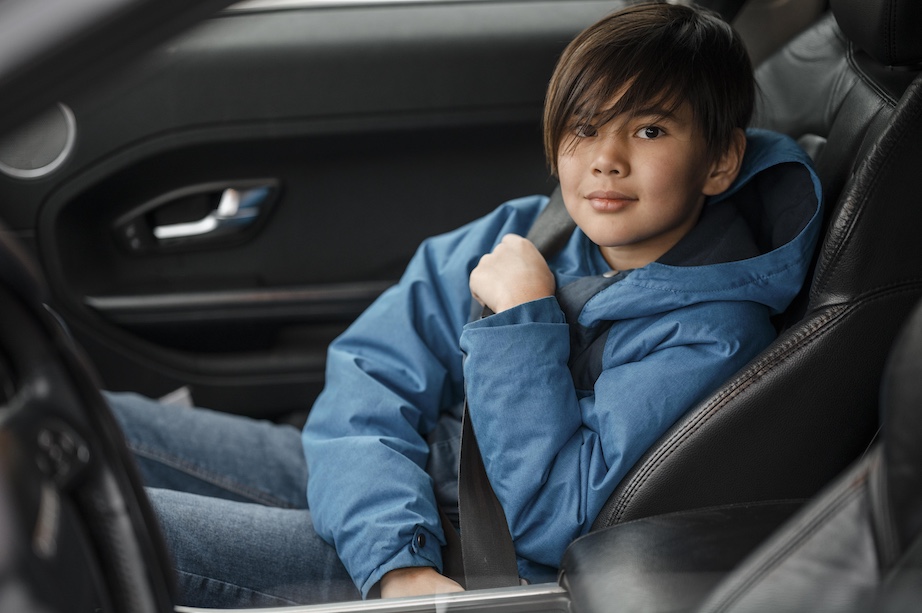
Can a Child Sit in the Front Seat in Minnesota? Legal Rules Explained

The following curated article is provided by our advertisers. Contributed articles help our readers in categories beyond our main Woman Around Town topics such as legal matters, personal issues, home improvement, and more. While we don’t endorse any of the products mentioned or linked to in these articles, we only publish articles that we hope our readers will find helpful. We often receive compliments about these articles and enjoy them ourselves. We hope you enjoy them as well!

Yes, a child can legally sit in the front seat in Minnesota under certain conditions, but safety experts strongly recommend that children under age 13 ride in the back seat whenever possible. Minnesota law focuses mainly on proper child restraint systems, booster seats, and seat belt requirements rather than setting a strict minimum age for front-seat passengers. 

However, placing younger children in the front seat can increase the risk of serious injury from airbags during a crash. Minnesota is known for its family-friendly communities, strong road safety programs, and long winters that often create difficult driving conditions. 

Families across the state spend a lot of time traveling for school, sports, and outdoor activities, making child passenger safety especially important. Understanding Minnesota front seat laws can help parents make safer decisions and avoid potential legal issues while transporting children.

Although the law may allow some children to sit in the front seat, safety recommendations from pediatricians and traffic safety organizations often go further than legal minimum requirements.

Does Minnesota Have a Minimum Front Seat Age?

Minnesota does not currently have a specific law stating that children must reach a certain age before sitting in the front seat. Instead, the state focuses on whether the child is properly restrained based on their size and age.

Under Minnesota Statutes § 169.685, children must use federally approved child restraint systems and seat belts appropriate for their age, height, and weight.

Even though no exact front-seat age exists in state law, most safety organizations recommend keeping children under 13 years old in the back seat because airbags can seriously injure smaller passengers.

Why the Back Seat Is Safer for Children

The back seat is generally considered the safest place for children during a crash. Front airbags deploy with significant force and are designed for adult bodies.

For younger children, airbags may cause the following:

  • Head injuries
  • Neck injuries
  • Chest trauma
  • Facial fractures
  • Suffocation risks for rear-facing seats

This is one reason why rear-facing car seats should never be placed in front of an active passenger airbag.

According to the American Academy of Pediatrics and the National Highway Traffic Safety Administration (NHTSA), children under 13 should ride in the rear seat whenever possible.

Minnesota Child Seat and Booster Seat Rules

Minnesota law requires children to use proper restraint systems until they meet certain safety standards.

Rear-Facing Car Seats

Infants and toddlers should remain in rear-facing seats as long as possible based on manufacturer height and weight limits.

Forward-Facing Car Seats

Once children outgrow rear-facing seats, they typically transition to forward-facing seats with harness systems.

Booster Seats

Children who outgrow forward-facing seats generally use booster seats until adult seat belts fit correctly.

Under Minnesota law, children must use an appropriate child restraint system until they are

  • 9 years old, or
  • 57 inches tall

This requirement is part of Minnesota’s updated child passenger safety rules designed to reduce injuries in vehicle crashes.

When Can a Child Safely Sit in the Front Seat?

Although many experts recommend waiting until age 13, safety depends on more than age alone.

A child should be able to:

  • Sit fully back against the seat
  • Bend knees comfortably at the seat edge
  • Keep feet flat on the floor
  • Wear the lap belt across the upper thighs.
  • Wear the shoulder belt across the chest and shoulder.

If the seat belt fits improperly, the child may still need a booster seat even if they legally qualify to sit in front.

Situations Where Front Seat Placement May Be Necessary

Some families may need to place a child in the front seat because of:

  • Limited seating space
  • Multiple children in car seats
  • Pickup trucks without rear seating
  • Medical needs

If a child must ride in the front seat, parents should:

  • Move the seat as far back as possible.
  • Ensure the child uses the correct restraint.
  • Turn off the passenger airbag if permitted and necessary for rear-facing seats.
  • Follow vehicle manufacturer safety instructions.

Taking these precautions can reduce injury risks.

Penalties for Violating Minnesota Child Passenger Laws

Drivers who fail to properly restrain children may face fines and legal penalties.

Under Minnesota Statutes § 169.685, violations involving child restraints and seat belts can result in traffic citations and financial penalties.

Beyond fines, improper restraint use may also increase liability in personal injury claims if a child is injured during an accident.

Insurance companies and courts sometimes examine whether safety laws were followed when determining damages.

Common Mistakes Parents Make

Many parents unknowingly make child passenger safety mistakes, including:

  • Moving children out of booster seats too early
  • Allowing children to place shoulder belts behind their backs
  • Using incorrect car seat installations
  • Letting children ride unrestrained for short trips
  • Allowing small children to sit near active airbags

Even short local trips can become dangerous if children are not properly secured.

Key Takeaways

  • Minnesota does not have a strict legal minimum age for front-seat passengers.
  • Children under 13 are generally safest riding in the back seat.
  • Minnesota Statutes § 169.685 governs child restraint and seat belt requirements.
  • Children must use appropriate restraint systems until age 9 or 57 inches tall.
  • Airbags can seriously injure young children sitting in the front seat.
  • Proper booster seat and seat belt fit are critical for child safety.
  • Winter driving conditions in Minnesota make proper restraints even more important.

Image by freepik

Contributed posts are advertisements written by third parties who have paid Woman Around Town for publication.


Share This Post:

Bluesky Icon Bluesky
Facebook

Most people underestimate a complex 3D puzzle until they’re forty pieces deep and realise the base won’t sit flat. That’s the exact moment everything falls apart, literally, and it’s what keeps newcomers from ever picking…

Mornings rarely go as planned. Between getting out the door, juggling a commute, and trying to fit in everything before the day really starts, breakfast is often the first thing to get skipped or replaced…

A well-equipped kitchen does not require dozens of specialized tools. In fact, most home cooks can handle nearly every meal with a thoughtfully chosen collection of quality knives. The key is building a lineup that…

As parents committed to natural and holistic lifestyles, we prioritize our children’s wellbeing in every decision we make. Yet despite our best efforts to create safe environments at home, we can’t always control the safety…

The number of fitness programs available today is huge. Apps, online coaching platforms, subscription workout plans, YouTube channels, and hybrid programs compete for attention at every price point. For someone trying to improve their health,…

A dependable HVAC system keeps indoor spaces comfortable through changing temperatures and seasonal weather shifts. When the system begins failing earlier than expected, it sometimes points to maintenance gaps, airflow restrictions, or neglected components that…

What to Know Before Starting Complex 3D Puzzle Builds

Most people underestimate a complex 3D puzzle until they’re forty pieces deep and realise the base won’t sit flat. That’s the exact moment everything falls apart, literally, and it’s what keeps newcomers from ever picking up the hobby again. Skip ahead past those rookie mistakes. These five points are what experienced builders wish someone had told them first, and they’ll save you time, frustration, and wasted money. Choose the Right Model for Your Skill Level

read more

Quick, Protein-Packed Breakfasts for Busy Mornings

Mornings rarely go as planned. Between getting out the door, juggling a commute, and trying to fit in everything before the day really starts, breakfast is often the first thing to get skipped or replaced with something quick and not particularly satisfying. The problem is that skipping a protein rich breakfast tends to backfire by mid morning, leading to an energy dip and the kind of hunger that makes it hard to focus until lunch.

read more

How to Build a Practical Kitchen Knife Collection for Everyday Cooking and Meat Preparation

A well-equipped kitchen does not require dozens of specialized tools. In fact, most home cooks can handle nearly every meal with a thoughtfully chosen collection of quality knives. The key is building a lineup that supports both everyday cooking and occasional meat preparation without overcrowding drawers or countertops. Whether you’re chopping vegetables for a weeknight dinner, slicing fruit for breakfast, preparing family meals, or trimming meat for a weekend barbecue, the right knives can make

read more

Playground and School Injuries in Florida: When Is Someone Else Legally Responsible?

As parents committed to natural and holistic lifestyles, we prioritize our children’s wellbeing in every decision we make. Yet despite our best efforts to create safe environments at home, we can’t always control the safety of public playgrounds and school facilities where our children spend significant time. Each year, over 200,000 children across the United States receive emergency room care for playground-related injuries, according to the Consumer Product Safety Commission. While many of these incidents

read more

Too Many Fitness Programs? How People Choose What to Try

The number of fitness programs available today is huge. Apps, online coaching platforms, subscription workout plans, YouTube channels, and hybrid programs compete for attention at every price point. For someone trying to improve their health, the volume of options creates more choice but less clarity. Most people do not struggle to find a fitness program. They struggle to decide which one is actually worth their time. Understanding what drives that decision and what factors genuinely

read more
You've loaded all available articles in this category

What to Know Before Starting Complex 3D Puzzle Builds

Most people underestimate a complex 3D puzzle until they’re forty pieces deep and realise the base won’t sit flat. That’s the exact moment everything falls apart, literally, and it’s what keeps newcomers from ever picking up the hobby again. Skip ahead past those rookie mistakes. These five points are what experienced builders wish someone had told them first, and they’ll save you time, frustration, and wasted money. Choose the Right Model for Your Skill Level

read more

Quick, Protein-Packed Breakfasts for Busy Mornings

Mornings rarely go as planned. Between getting out the door, juggling a commute, and trying to fit in everything before the day really starts, breakfast is often the first thing to get skipped or replaced with something quick and not particularly satisfying. The problem is that skipping a protein rich breakfast tends to backfire by mid morning, leading to an energy dip and the kind of hunger that makes it hard to focus until lunch.

read more

How to Build a Practical Kitchen Knife Collection for Everyday Cooking and Meat Preparation

A well-equipped kitchen does not require dozens of specialized tools. In fact, most home cooks can handle nearly every meal with a thoughtfully chosen collection of quality knives. The key is building a lineup that supports both everyday cooking and occasional meat preparation without overcrowding drawers or countertops. Whether you’re chopping vegetables for a weeknight dinner, slicing fruit for breakfast, preparing family meals, or trimming meat for a weekend barbecue, the right knives can make

read more

Playground and School Injuries in Florida: When Is Someone Else Legally Responsible?

As parents committed to natural and holistic lifestyles, we prioritize our children’s wellbeing in every decision we make. Yet despite our best efforts to create safe environments at home, we can’t always control the safety of public playgrounds and school facilities where our children spend significant time. Each year, over 200,000 children across the United States receive emergency room care for playground-related injuries, according to the Consumer Product Safety Commission. While many of these incidents

read more

Too Many Fitness Programs? How People Choose What to Try

The number of fitness programs available today is huge. Apps, online coaching platforms, subscription workout plans, YouTube channels, and hybrid programs compete for attention at every price point. For someone trying to improve their health, the volume of options creates more choice but less clarity. Most people do not struggle to find a fitness program. They struggle to decide which one is actually worth their time. Understanding what drives that decision and what factors genuinely

read more
You've loaded all available articles in this category