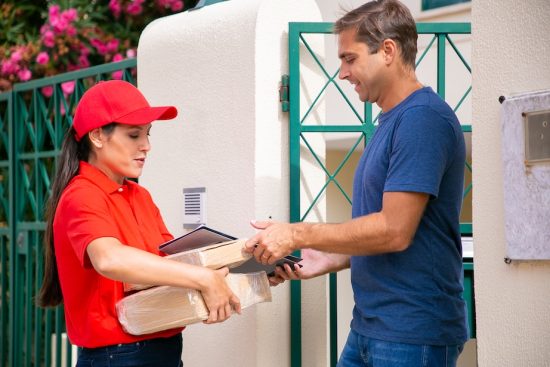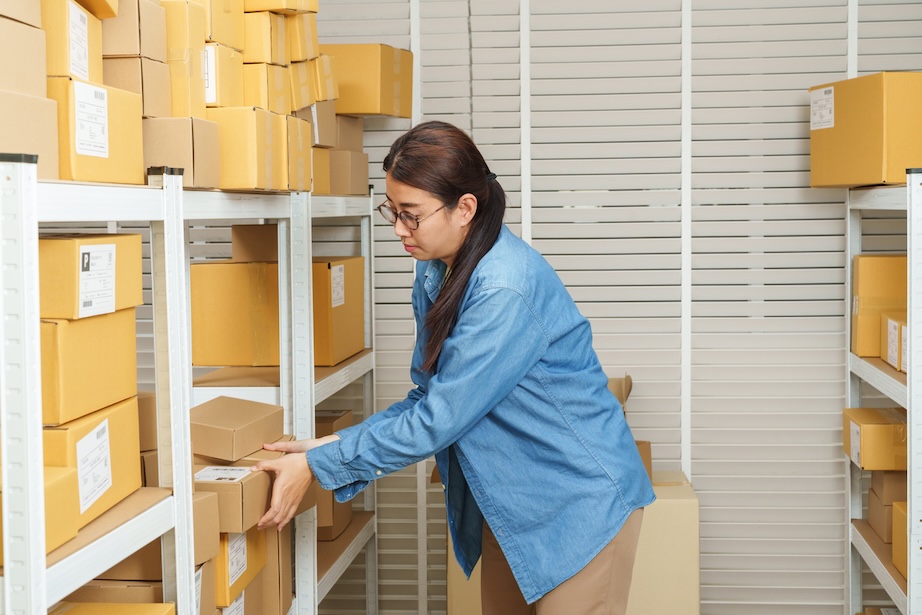
In a typical Manhattan building, the afternoon delivery rush looks the same almost every day. Couriers from three or four carriers arrive within an hour of each other, the doorman signs for armfuls of boxes, and the package room, often a converted closet or storage space, slowly disappears under cardboard. By evening, residents line up at the desk asking the same question: Did my package come?
In many buildings, the answer now comes from a screen instead of a clipboard. More property managers are adopting residential parcel management software to log, store, and release deliveries, changing how both staff and residents experience the daily flood of packages.
Why NYC Buildings Feel the Pressure More Than Most
New York apartment living comes with unique constraints. Space is tight, so package rooms are small. Many residents work long hours or travel frequently, so packages sit uncollected for days. And in walk-ups or buildings without a doorman, deliveries are often left in vestibules where anyone can reach them.
Add grocery orders, meal kits, pharmacy deliveries, and furniture that arrives flat-packed in boxes taller than a person, and it is easy to see why the front desk has become one of the building’s busiest places.
In a city where every square foot counts, an overflowing package room is a space problem as much as a service problem.
The Trouble With Clipboards and Memory
Many buildings still rely on a paper log or a doorman’s memory. That works when volume is low, and staff is consistent. It breaks down when shifts change, when a relief doorman covers the weekend, or when a resident insists a package was delivered but nobody can find it.
Without a clear record, every missing package becomes a dispute. The resident blames the building, the building blames the courier, and the courier’s tracking page simply says “delivered.”
How Digital Package Management Works
The process is straightforward. When a delivery arrives, staff scan the label with a phone or tablet. The system matches it to the correct resident and apartment, records the time, and notes where staff store the package. The resident receives an email or text right away. At pickup, staff confirms the handover with a signature or photo.
Every step leaves a timestamped trail. If something goes missing, managers can see exactly who received it, where it was placed, and whether it was ever released.
| Paper Log or Memory | Digital Package Tracking | |
| Logging deliveries | Handwritten, inconsistent | Scanned in seconds |
| Finding a package | Search the room | Logged shelf or locker location |
| Notifying residents | Phone call, note, or nothing | Instant email or text |
| Shift changes | Knowledge leaves with the doorman | Records stay in the system |
| Proof of pickup | Rarely captured | Signature or photo, timestamped |
| Missing package disputes | He said, she said | Full audit trail |
What Residents Should Ask Their Building
If you live in a rental or co-op, it is worth knowing how your building handles deliveries. A few useful questions:
How will I know when a package arrives? Where are packages stored, and who has access to that space? Can someone else collect on my behalf? How long will the building hold uncollected items? What happens with perishables or packages that need refrigeration?
Clear answers usually mean a clear process. Vague ones often mean packages are being handled on a best-effort basis.
The best package room is not the biggest one. It is the one where every box can be accounted for.
Security Without Slowing Things Down
Package theft is a constant worry in the city, particularly in buildings without full-time staff. Digital tracking helps by showing who handled each item, and many buildings pair it with smart lockers that open only with a resident’s code. That lets residents pick up late at night or on weekends without leaving packages exposed in the lobby.
For staffed buildings, the main security benefit is accountability. When every handover is recorded, packages are far less likely to be released to the wrong person.
Making Small Spaces Work Harder
Most NYC buildings cannot add a bigger package room, so the goal is to move packages out faster. Instant notifications help, since residents who know a package has arrived tend to pick it up the same day. Automated reminders nudge anyone who forgets.
Buildings that organize storage into clear zones, such as standard shelving, oversized items, and refrigerated storage for groceries, also find it easier to keep things orderly. When each zone has a location code tied to the tracking system, any staff member can quickly find a package.
Preparing for the Holiday Rush
The weeks between Thanksgiving and New Year’s are the real test for any building. Package volume can climb sharply, and systems that barely cope in October can collapse in December. Property managers who plan ahead by training all staff, including relief and overnight doormen, confirming resident contact details, and reminding residents to collect promptly tend to get through the season with far fewer complaints.
The Bottom Line for NYC Buildings
Deliveries are now a permanent part of apartment life in New York, as routine as trash pickup or building maintenance. The buildings that handle them well aren’t necessarily the ones with the most space or staff. They are the ones that know what arrived, where it is, who it belongs to, and when it left.
For residents, that means fewer lost packages and less time waiting at the desk. For property managers, it means fewer disputes, smoother shifts, and a lobby that looks like a lobby again.
Photo Credit: Ekkasit Jokthong
Contributed posts are advertisements written by third parties who have paid Woman Around Town for publication.