For years, cosmetic beauty was often associated with obvious transformation: a noticeably lifted face, dramatic volume, or a silhouette that announced exactly what had been changed. Today, a quieter aesthetic is gaining ground. The goal is increasingly to look rested, balanced, and proportionate rather than visibly altered.
This shift reflects a broader understanding of facial and body aesthetics. Small differences in position, volume, and proportion can influence how the entire appearance is perceived. A brow that sits heavily may make someone look tired, while breast volume that overwhelms a person’s frame can feel visually disconnected from the rest of the body.
The modern conversation is therefore less about changing a person into an ideal and more about understanding individual anatomy. For women considering cosmetic surgery, restraint can mean making thoughtful choices, understanding limitations, and deciding whether surgery is appropriate at all.
Why the Upper Face Can Influence a Tired Appearance
The eyes often receive most of the attention when someone looks tired, but the area above them matters just as much. The position of the eyebrows, the forehead, and the transition between the brow and upper eyelids can influence the overall expression of the face.
As skin and underlying tissues change with age, the brow may gradually descend. Repeated facial movement and natural changes in skin elasticity can also contribute to forehead lines and a heavier appearance around the upper face. These changes do not necessarily mean someone looks older; they can simply make a naturally expressive face appear less open or rested.
A brow lift is one surgical approach used to address brow descent and related forehead changes. At Beverly Hills Plastic Surgery, Dr. Gabriel Chiu takes an individualized approach to brow procedures, with the goal of maintaining facial expression and avoiding an excessively elevated appearance.
The important point is that facial rejuvenation does not have to mean creating a dramatically different face. When surgery is considered, the objective should be appropriate to the person’s anatomy, preferences, and overall facial proportions.
Proportion Matters More Than Size in Breast Surgery
The same principle applies below the neck. In breast surgery, conversations about size can easily become overly focused on numbers, cup sizes, or a particular look. Yet proportion is more meaningful because the same volume can appear very different on different body frames.
Chest width, existing breast tissue, body proportions, skin characteristics, and personal preferences all influence what may look harmonious. A volume that seems modest on one person can appear much more prominent on another.
This is one reason individualized planning matters. For women interested in using their own tissue rather than implants, natural breast augmentation uses fat transferred from another area of the body to add breast volume. It is not appropriate for everyone, and the amount of available donor tissue and the patient’s anatomy are among the considerations that need to be assessed.
Whether implants, fat transfer, a lift, or no surgery at all is appropriate depends on the individual. The broader aesthetic principle remains the same: breast enhancement should be considered in relation to the whole body rather than as an isolated pursuit of additional size.
Restraint Does Not Mean Doing Nothing
A restrained approach to cosmetic surgery should not be confused with avoiding meaningful change. Sometimes a significant concern requires a surgical solution, while in other cases a smaller adjustment—or no procedure—may make more sense.
The distinction is about intention. Instead of beginning with a predetermined procedure, a thoughtful consultation can begin with what a person notices about herself and what she hopes to change. From there, a surgeon can discuss whether surgery could reasonably address that concern and what limitations should be expected.
Dr. Gabriel Chiu, a double board-certified plastic and reconstructive surgeon, leads Beverly Hills Plastic Surgery with an emphasis on individualized aesthetic planning. The practice describes its approach as customized to each person’s needs, reflecting the idea that there is no single template for an attractive result.
That philosophy is particularly relevant to the current preference for subtlety. A successful aesthetic change may be noticeable to the person who requested it while remaining difficult for others to identify as a surgical alteration.
What to Look for When Choosing a Plastic Surgeon
Choosing a plastic surgeon should involve more than viewing a collection of attractive results online. Credentials, relevant surgical experience, communication, and the quality of the consultation all deserve attention.
Board certification is one credential patients can verify when researching a surgeon. It is also useful to ask how frequently the surgeon performs the procedure being considered and whether the surgeon is comfortable explaining alternatives, limitations, potential complications, and recovery expectations.
Communication matters because aesthetic surgery is highly personal. A surgeon should understand what a patient means by words such as “natural,” “subtle,” or “proportionate” rather than assuming those terms have the same meaning for everyone.
Patients can also ask how decisions about size, position, technique, or combination procedures are made. A careful consultation should leave room for questions and should include the possibility that a particular procedure may not be recommended.
The Value of a Long-Term Perspective
Modern cosmetic surgery is increasingly moving away from the idea that more change automatically means a better result. A balanced approach considers how an alteration fits into the person’s face or body today and how it may relate to natural aging and future changes.
That does not mean every woman should pursue the same restrained aesthetic. Personal preferences differ, and there is no single definition of what a woman should look like. Some people may want a noticeable transformation, while others may want only a subtle refinement. Others may decide that surgery is not right for them.
The more useful standard is informed choice. Understanding anatomy, proportion, realistic outcomes, recovery, and potential risks allows each person to make a decision based on her own goals rather than a passing trend.
The current emphasis on looking rested and proportionate reflects a broader evolution in aesthetic medicine: the idea that cosmetic surgery can be about refinement rather than reinvention. For those who choose to explore it, the future of aesthetic care is likely to remain centered on individualized planning, thoughtful restraint, and results that make sense for the person—not simply the procedure.
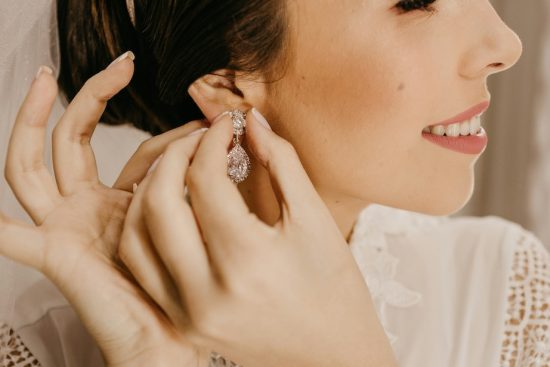
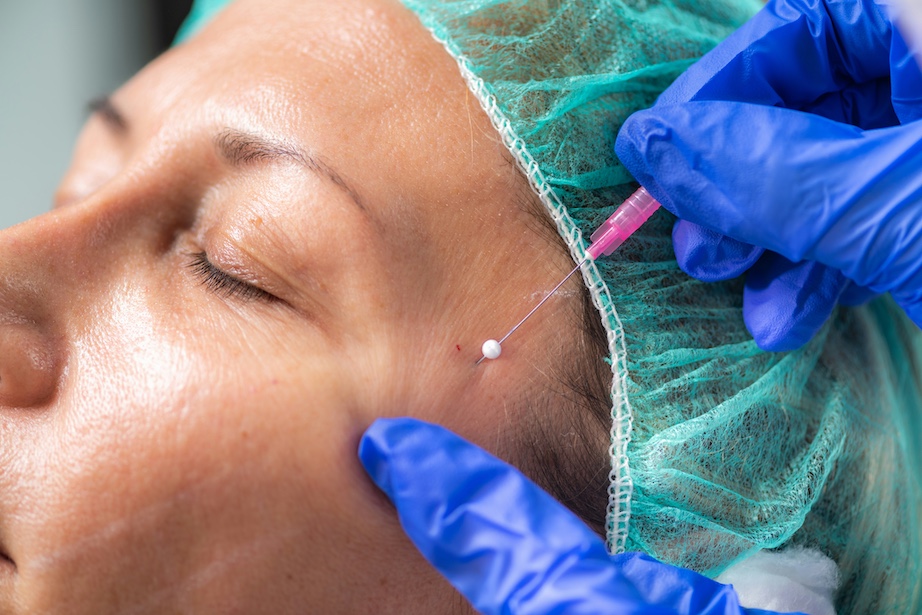
Photo by Patient Perfect on Unsplash
Contributed posts are advertisements written by third parties who have paid Woman Around Town for publication.