The way you want to travel at thirty is rarely the way you want to travel at fifty. A trip that once felt like a reward can start to feel like a chore, and a destination you used to look forward to all year can quietly lose its pull. None of that means you have stopped enjoying travel. It usually means your life has moved on while your travel habits stayed where they were.
Work changes, families grow, health shifts, and the people you want to spend a week with are not always the same people you wanted a week with a decade ago. Planning for that kind of change is not pessimism. It is simply good sense, and it keeps your time off working for the person you are now rather than the one you used to be.
When a Vacation Commitment No Longer Fits
Plenty of travelers hold arrangements they agreed to years ago and have not looked at properly since. For an owner of a timeshare, the difficulty is often that the fixed week and fixed location stopped matching how the family actually wants to spend its time off.
There is a straightforward way out of that, which is putting the ownership up for sale on the resale market and letting someone else take it on. Owners weighing that decision can learn more about what selling involves before committing to anything.
Why Travel Priorities Shift Over Time
Priorities change for reasons that are usually undramatic. A new job comes with a different holiday calendar. Children reach school age, and summer becomes the only window you have. Parents get older, and the long flight you once enjoyed turns into something you would rather avoid. Later on, the children leave home, and suddenly you are free in October, which you never were before.
There is also the simple matter of taste. Travelers who spent years chasing busy resorts often find themselves wanting quiet. People who once wanted every day planned start wanting mornings with nothing in them. These shifts happen slowly enough that you can miss them, and it is easy to keep booking the same sort of trip out of habit long after it stopped being what you actually want.
Building a Plan That Can Bend
A flexible plan is not a vague one. It is a plan built with a few decisions deliberately left open. The practical version of this is to lock in only what genuinely needs locking in, and to hold the rest loosely until closer to the date.
Start with the fixed points. For most trips, that means the dates you can realistically take off and the people who are coming with you. Everything else, including the destination, the route, and the length of the stay, can stay adjustable for longer than most people assume.
Choosing Trips That Suit Your Current Season of Life
One of the most useful habits you can build is a short review before each year of travel. Ask yourself what you actually want from time away right now. Rest, activity, family time, solitude, and new places are all valid answers, but they are rarely all true at once.
If you are in a demanding stretch at work, a slower trip with fewer moving parts will serve you better than an ambitious itinerary. If you have been indoors for months, the opposite may be true. Travelers who match their trips to their current circumstances tend to come home satisfied. Those who book the trip they think they should want tend to come home tired.
Giving Yourself Room to Change the Date
Timing is where inflexibility hurts most. Life rarely gives much notice before it interferes, and the traveler who has built in some room can absorb a change without much damage.
There are a few straightforward ways to do this. Choose booking terms that allow changes, and read them properly before you agree rather than after something goes wrong. Avoid stacking a trip immediately against a major work deadline or a family event, since anything that slips will push into your holiday. Where you can, favor destinations that work well across more than one season, so a move from spring to autumn does not ruin the point of going.
Flexibility of this kind usually costs a little more upfront. Whether that is worth paying depends on how predictable your life is at the moment, and only you can judge that honestly.
Traveling With People Whose Needs Keep Changing
If you travel with the same group year after year, their priorities are shifting too. A group that once wanted long days out may now want a slower pace. Younger members may want independence. Older members may want shorter journeys and fewer stairs.
The mistake is assuming everyone still wants what they wanted last time. A short conversation before booking usually surfaces more than you expect, and it is far easier to adjust a plan in advance than to manage disappointment once everyone has arrived. Groups that talk about this openly tend to keep traveling together for longer, because nobody feels quietly stuck in someone else’s idea of a good trip.
Keeping Your Options Open for the Years Ahead
The goal is not to avoid commitment altogether. Some of the best travel comes from committing fully to a place and returning to it for years. The goal is to make sure every commitment you hold is still one you would choose today.
That means reviewing your travel arrangements honestly from time to time and being willing to change what no longer fits. It also means noticing when something has become a habit rather than a pleasure. Travel should reflect the life you are living, not the one you were living when you first made the arrangement. When your plans can move with you, time away stays what it is supposed to be, which is something you look forward to rather than something you manage.
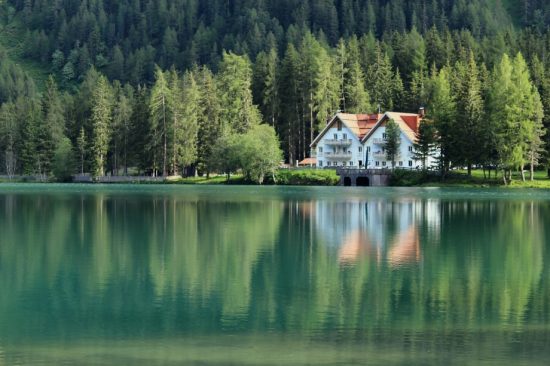
Top Pexels photo by Willian Justen de Vasconcellos
Contributed posts are advertisements written by third parties who have paid Woman Around Town for publication.