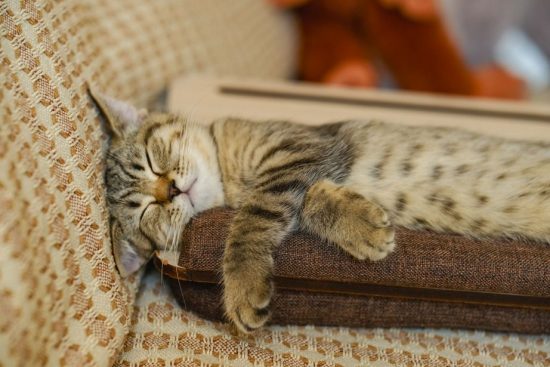
Living with a cat often changes the way you think about your home. The sofa becomes a favorite sleeping spot, windowsills turn into observation decks, and anything remotely scratchable can suddenly become interesting.
None of this means giving up on having a stylish home. The key is choosing furniture, materials, and accessories that work with the way your cat actually behaves rather than constantly trying to keep your pet away from everything.
Choose Materials With Real Life in Mind
Some materials simply handle pets better than others. Delicate fabrics that easily snag may look beautiful in a showroom but can become frustrating when exposed to claws, fur, and everyday wear.
For upholstered furniture, tightly woven fabrics tend to be easier to live with because there is less texture for claws to catch. Materials that are relatively easy to vacuum or wipe down can also make a noticeable difference, particularly if your cat sheds heavily.
Color matters too. A sofa that closely matches your cat’s fur will naturally hide shedding better than one that creates a strong contrast.
Give Scratching a Better Destination
Scratching is normal cat behavior, so trying to eliminate it completely usually creates frustration for everyone involved. A better approach is giving your cat somewhere more appealing to scratch.
Place scratching posts or pads close to the areas where your cat already spends time. If the sofa is the current favorite, putting a scratching post nearby may make it easier to redirect the behavior.
Different cats also prefer different surfaces. Some like sisal, while others prefer cardboard, carpet, or wood. Finding the right option may require a little experimentation.
Think Carefully About Your Main Seating
The sofa is usually one of the largest pieces of furniture in the room, which also makes it one of the most attractive places for a cat to climb, nap, stretch, and occasionally scratch.
That makes practicality particularly important when choosing one. Fabric durability, construction, cushion covers, cleaning requirements, and even the sofa’s shape can influence how easily it fits into a home with pets. Choosing a cat-friendly sofa means considering these everyday realities alongside comfort and appearance.
You do not necessarily need furniture specifically designed for pets. Instead, look for pieces that are durable enough for everyday use and simple enough to maintain when accidents, fur, or muddy paws inevitably happen.
Create Spaces Your Cat Can Claim
Cats tend to create their own favorite places whether you plan for them or not. Giving them designated spaces can make the rest of your home easier to manage.
A comfortable bed near a sunny window, a small perch beside the sofa, or a cat tree positioned where your cat can see the room may quickly become a preferred resting place.
These pieces do not have to look out of place. Modern cat furniture is available in simple wood finishes, neutral fabrics, and compact designs that can blend naturally with the rest of a room.
Keep Breakable Decor Out of the Traffic Zone
A carefully styled shelf can become considerably less attractive after a curious cat discovers it.
Instead of removing decorative objects altogether, pay attention to where your cat naturally climbs and moves. Keep fragile ceramics, glass objects, candles, and sentimental pieces away from these routes.
Lower-risk items such as books, baskets, wooden objects, and heavier decorative pieces can occupy more accessible areas. Fragile items can then be displayed on higher shelves or inside cabinets.
The result can actually feel more intentional because surfaces are less crowded.
Make Cleaning Easy
A pet-friendly home becomes much easier to maintain when cleaning does not feel like a major project.
Washable throws can protect favorite sleeping areas while adding texture to the room. Removable cushion covers are useful when spills or accidents happen, while rugs that are easy to vacuum make shedding less noticeable.
Keeping a lint roller or small handheld vacuum nearby also makes quick cleanups much easier than waiting until fur has accumulated everywhere.
Work With Your Cat, Not Against It
Every cat develops habits around the home. Some want the highest possible perch, some spend hours watching through windows, and others simply want whichever chair you were planning to sit in.
Paying attention to those habits can help you design your space more intelligently. If your cat constantly sits beside a particular window, create a comfortable spot there. If one corner has become a scratching area, place an appropriate scratching surface nearby.
A beautiful home does not have to look untouched. The best interiors reflect the people and animals who actually live there. With thoughtful furniture choices, practical materials, and a few spaces designed specifically for your cat, your home can remain stylish without becoming a place where you are constantly worried about the furniture.
Photo by Seray D. Mesebuken on pexels.com