

A small leak can look harmless for a day or two, especially if the floor seems dry again and the smell hasn’t changed. In reality, water moves fast through drywall, subflooring, insulation, and framing. By the time damage becomes visible, the repair scope has often grown. If you want to protect your home, budget, and indoor air quality, it helps to understand what happens in the hours and days after water intrusion and what smart action actually looks like.
The first 24 hours shape the whole repair bill
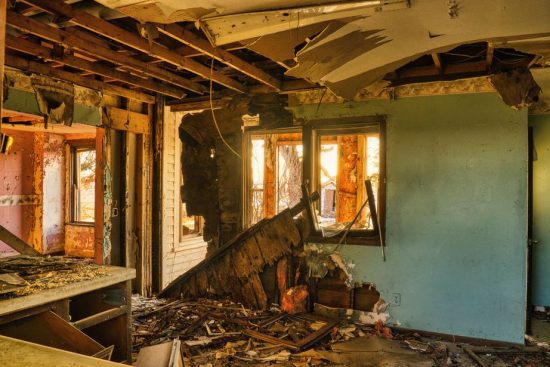
When water enters your home, the clock starts immediately. Clean water from a supply line can turn into a more complicated problem once it sits, picks up debris, and soaks porous materials. Drywall begins wicking moisture upward. Baseboards swell. Laminate planks cup or separate at the seams. If water reaches insulation, drying gets harder because trapped moisture stays hidden behind finished surfaces.
The cost issue isn’t just about what got wet. It’s about what remains wet. Moisture mapping, thermal imaging, and humidity readings help identify spread patterns that you can’t spot by eye. A quick mop-up often leaves moisture in wall cavities and under flooring. Those missed areas usually create the expensive callbacks later, especially when paint bubbles, flooring loosens, or a musty odor starts showing up a week after you thought the situation was over.
Water rarely stays where you first found it
A lot of homeowners focus on the puddle and miss the migration path. Water follows gravity, but it also travels sideways through capillary action, which means it can move through materials in ways that seem counterintuitive. An overflowing upstairs bathroom can affect ceiling drywall, insulation, light fixtures, and even framing on the level below. A slow appliance leak can damage cabinets, toe kicks, and subflooring long before there’s any visible stain.
That spread matters because repair decisions are based on categories and classes of water loss, not just square footage. Category 1, 2, and 3 losses carry different sanitation concerns. Class 1 through 4 losses describe evaporation load and material saturation. If you’re dealing with a significant event, professional water damage restoration often involves containment, extraction, dehumidification, and material-specific drying plans, not a single fan pointed at the problem area.
Mold risk starts earlier than most people expect
You don’t need standing water for mold concerns to become real. Damp cellulose materials such as drywall paper, wood trim, and cardboard-backed products can support growth surprisingly fast under the right temperature and humidity conditions. In many homes, the trigger isn’t dramatic flooding. It’s residual moisture combined with limited airflow behind furniture, inside closets, under cabinets, or beneath flooring systems.
What makes this tricky is that microbial growth often starts out of sight. You may notice an earthy smell before you see discoloration. You might also get subtle clues: a room feels heavier, a corner stays cool, or paint near a baseboard looks slightly uneven. At that stage, a surface cleaner won’t solve the source issue. Drying verification matters. So does removing unsalvageable porous material when contamination or prolonged saturation is involved. Waiting to “see if it clears up” tends to increase both remediation complexity and reconstruction costs.
Insurance decisions often depend on documentation, not frustration
Insurance claims after water events can feel inconsistent, especially when two leaks that look similar lead to different outcomes. The difference often comes down to cause, timing, and records. Sudden and accidental discharge is commonly treated differently from long-term seepage, deferred maintenance, or repeated leaks. If you wait too long to respond, adjusters may question when the loss began and whether preventable deterioration made it worse.
Good documentation gives you a stronger position. Take photos before moving items if it’s safe to do so. Save receipts for emergency mitigation steps. Write down when you discovered the issue, what areas were affected, and what systems were involved. If a contractor uses moisture meters or thermal scans, those readings can help establish scope. You don’t need a legal case file, but you do need a timeline. Stress is normal. Clear evidence still matters more than a detailed memory after a chaotic week.
Some materials can be saved, but not all of them should be
One of the hardest parts of a water loss is deciding what’s salvageable. People understandably want to save flooring, cabinets, rugs, furniture, and personal items. Sometimes that works. Hardwood can occasionally be dried in place with the right equipment and monitoring. Solid wood furniture often responds better than particleboard. Tile may look unaffected while the substrate beneath it is still wet. The visible finish doesn’t always tell you what’s happening below.
The better question is not “Can this be dried?” but “Can it be dried to a safe and stable condition?” That includes structural integrity, sanitation, and future performance. Swollen MDF, delaminated laminate, and insulation that has lost its thermal value usually don’t justify heroic rescue efforts. Sentimental items add another layer. In those cases, ask about specialized content cleaning or pack-out options early. Delays reduce recovery chances, especially for paper goods, textiles, and untreated wood.
The smartest response plan starts before the next leak
Most homeowners don’t think about water response until they’re already standing in it. A better approach is simple preparation. Know where your main water shutoff is and make sure everyone in the house can identify it. Replace old supply lines on washing machines, dishwashers, and sinks before they fail. Check caulking and grout, but don’t confuse cosmetics with waterproofing. In basements, keep valuables off the floor and use water alarms near vulnerable points.
It also helps to build a short contact list now instead of searching while panicked at midnight. Include your insurer, plumber, electrician, and a restoration company. If you live in a storm-prone or humid area, ask about crawl space conditions, drainage, and roof runoff too. The practical goal isn’t perfection. It’s reducing dwell time, which is the industry term for how long water sits before mitigation begins. Shorter dwell time usually means fewer damaged materials, lower microbial risk, and a much easier path back to normal.
Waiting feels cheaper in the moment, but usually costs more later
A lot of home decisions come down to timing, and water damage is one of the clearest examples. What looks manageable on day one can become demolition, odor treatment, and material replacement by day five. The frustrating part is that the biggest costs often come from what you can’t see: trapped moisture, hidden spread, and secondary damage that keeps unfolding after the original leak stops.
If you remember one thing, make it this: visible dryness is not the same as actual dryness. Fast action, accurate inspection, and documented mitigation protect more than your walls and floors. They protect your schedule, your insurance position, and your home’s long-term condition. Water problems rarely reward optimism alone. They reward quick, informed decisions made before a minor incident turns into a complicated restoration project.
Photo by Tom Fisk at Pexels.com
Contributed posts are advertisements written by third parties who have paid Woman Around Town for publication.