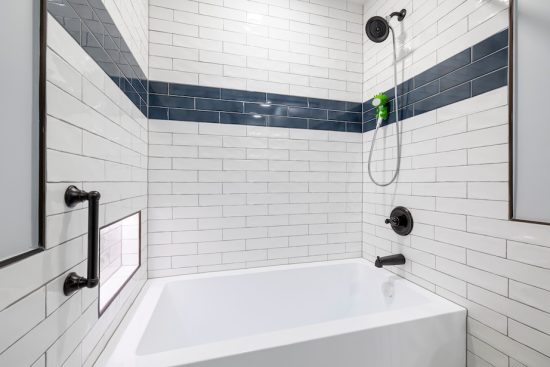


Your bathroom probably gets less attention than your kitchen or living room, yet it shapes your routine more than almost any other space. You see it first in the morning and last at night. A remodel can improve comfort, storage, safety, and even the resale profile of your home. If you’re weighing whether the disruption is worth it, it helps to look past surface-level style choices and focus on what really changes once the work is done.
Layout decisions matter more than luxury finishes
It’s easy to get pulled toward statement mirrors, dramatic tile, or trendy hardware. Those choices count, but the biggest wins usually come from layout planning. If your toilet is awkwardly placed, your door swing blocks movement, or your shower wastes square footage, expensive materials won’t fix the core problem.
A strong remodel starts with function. You look at clearances, ventilation, moisture resistance, and storage capacity before choosing decorative finishes. Even small shifts, like swapping a swinging door for a pocket door or extending the shower footprint by a few inches, can noticeably improve usability.
For residents of Las Vegas bathroom remodeling is a convenient option because of local access to Thompson Bath, which offers professional bathroom renovation services, including bathtub and shower upgrades.
Your bathroom controls more of your routine than you think
You notice a bad bathroom every single day. The mirror fogs up too fast, the vanity has no room for anything, and the shower makes your morning feel cramped before the day even starts.
A remodel shifts that experience in practical ways. Better task lighting helps with shaving, makeup, and skincare. A wider vanity counter reduces clutter creep. A smarter layout can cut the small frustrations that pile up over months and years.
This matters even more in homes where one bathroom serves several people. Traffic flow, storage zones, and fixture placement become quality-of-life issues, not just design details. When you plan the room around how you actually move through it, the upgrade feels useful long after the new tile stops feeling novel.
Storage failures are usually the real reason a bathroom feels messy
A bathroom can look high-end in photos and still work badly in real life. The usual culprit is weak storage planning. Open shelving looks clean for about three days. Tiny vanities force backup supplies into hall closets. Medicine cabinets get skipped, then daily items crowd the counter.
Good storage design is less glamorous and more valuable. Deep drawers hold hair tools better than lower cabinets. Built-in shower niches keep products off the floor ledge. Tall linen storage helps if your bathroom doubles as your towel station.
Think in categories: daily-use items, backup inventory, cleaning supplies, and shared essentials. Then match each category to a storage zone. That approach keeps the room looking calmer without requiring constant effort. A well-organized bathroom doesn’t just photograph well; it stays functional when life gets busy and nobody has time to reset every surface.
Safety upgrades no longer have to look clinical
A lot of homeowners delay bathroom updates because they associate accessibility features with medical-looking spaces. That gap has narrowed considerably. Current remodels can integrate safety upgrades in ways that look refined, not institutional.
Curbless showers, slip-resistant flooring, handheld showerheads, comfort-height toilets, and blocking for future grab bars all support aging in place without making the room feel like a retrofit. If you have kids, older relatives, or your own mobility concerns in mind, these changes carry everyday value.
Bathrooms are one of the highest-risk rooms in the house for slips and falls. Water, smooth surfaces, and tight dimensions create a rough combination. Planning for safer movement now often costs less than making reactive changes later. You don’t need to redesign your home around worst-case scenarios, but you should account for how needs evolve over time.
Material choices affect maintenance more than most people expect
The prettiest option isn’t always the smartest long-term pick. Bathrooms deal with steam, splash zones, soap residue, and frequent cleaning chemicals. Some finishes handle that well. Others start showing wear fast.
Porcelain tile, quartz counters, and quality acrylic or composite shower systems usually offer a strong balance of durability and maintenance. Natural stone can look excellent, but it often requires sealing and more careful upkeep. Matte black fixtures can be striking, though they may show mineral buildup faster in hard-water areas.
This is where local conditions matter. In places like Las Vegas, hard water can leave scale on glass, faucets, and tile more aggressively than homeowners in other regions might expect. If you want a bathroom that still looks sharp after a year of regular use, choose finishes with cleaning reality in mind, not just showroom appeal.
Ventilation is one of the least exciting and most important investments
Nobody walks into a remodeled bathroom and compliments the exhaust fan first. They should. Ventilation protects the room behind the scenes by controlling humidity, limiting mold risk, and helping finishes last longer.
A weak or noisy fan often gets ignored, which lets moisture linger in grout lines, drywall, paint, and cabinetry. Over time, that can undercut the value of everything else you paid for. A properly sized fan, ideally paired with a timer or humidity sensor, improves air exchange without demanding constant attention.
This becomes especially important in shared bathrooms or primary suites used back-to-back in the morning. Steam accumulates quickly. If the room never dries out fully, maintenance gets harder and hidden deterioration becomes more likely. Ventilation may not be the exciting line item in your remodel budget, but it’s one of the smartest.
Remodeling costs make more sense when you measure daily use
Bathroom remodel pricing can trigger sticker shock, especially once labor, plumbing updates, waterproofing, tile work, and fixtures all stack together. Looking at the total number alone can make the project feel excessive.
A better lens is frequency of use. You use this room every day, often multiple times a day, for years. Cost per use becomes a more practical way to evaluate the investment. A remodel that improves comfort, storage, safety, and maintenance demands can deliver value far beyond resale math.
That said, budgeting needs discipline. Keep a contingency fund, usually around 10 to 20 percent, for hidden issues like water damage, outdated wiring, or subfloor problems. Prioritize waterproofing, ventilation, and layout before decorative upgrades. If the budget tightens, reducing finish splurges is usually less painful than compromising on the performance systems that keep the room functioning properly.
Photo by Christa Grover in Pexels.com
Contributed posts are advertisements written by third parties who have paid Woman Around Town for publication.