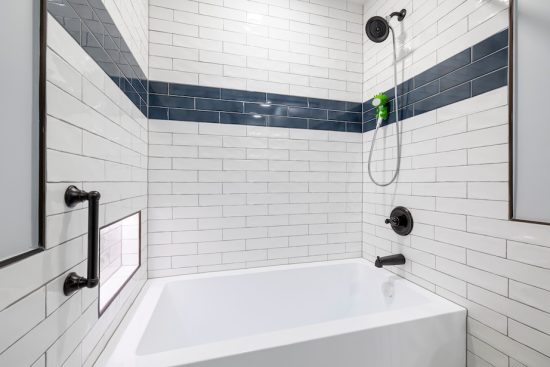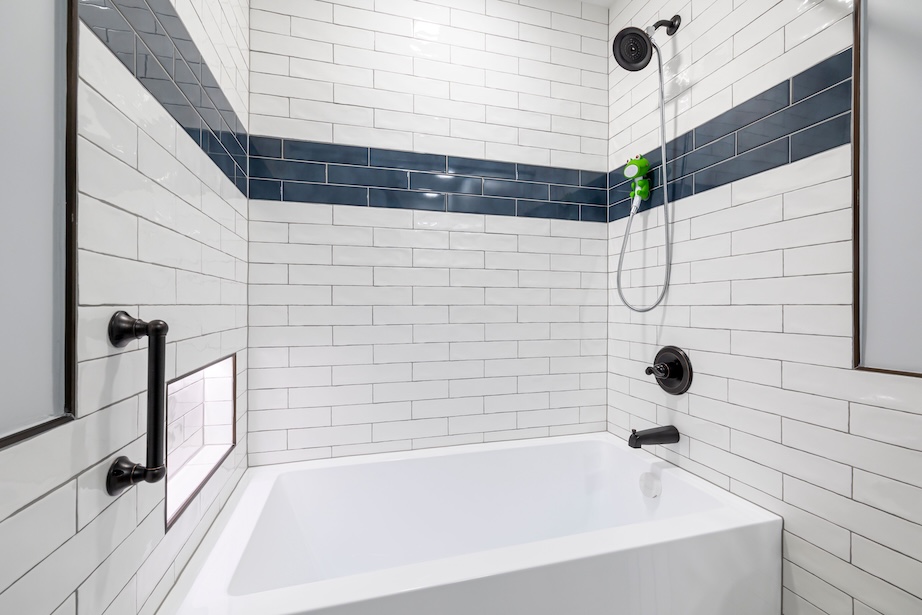
A bathtub should make daily routines easier, not create another problem to work around. Stains that never disappear, a high entry wall, worn surfaces, and awkward dimensions can turn an ordinary bathroom into a source of frustration. In Tampa, where warm, humid conditions make moisture control especially important, a tub replacement can also be an opportunity to address ventilation, sealing, and long-term maintenance. The right decision is not simply about choosing a newer fixture. It is about finding a solution that suits the people using the bathroom, fits the available space, and performs reliably for years.
Recognize When Your Bathtub No Longer Works
A bathtub rarely becomes unsuitable overnight. Warning signs include cracks, worn finishes, loose caulking, persistent stains, soft flooring, and recurring leaks. The problem may also be practical: the tub is difficult to enter, uncomfortable, or no longer suits the household. Children may have outgrown bath time, while an older family member may struggle with a high entry wall.
Consider how often the tub is used, how difficult it is to clean, and whether water escapes around its edges. If repeated repairs have not resolved the underlying problems, replacement may be more practical than continuing to patch the same defects.
Compare Quotes by Scope, Not Just Price
Costs depend on more than the fixture. Demolition, disposal, plumbing changes, wall repairs, surrounds, and hidden water damage all affect the total. A low estimate may exclude essential work or assume existing surfaces are sound. Ask contractors to price the same scope.
A Tampa tub replacement company can help you compare suitable products, understand installation requirements, and determine which upgrades fit your bathroom and budget. Before hiring a contractor, review the proposed schedule, cleanup arrangements, and warranty coverage. Ask how hidden damage will be priced and whether haul-away and permits are included. A detailed written estimate makes the total cost easier to understand and helps prevent disagreements.
Evaluate the Bathroom Before Choosing a Replacement
Measure the tub, surrounding walls, doorway, and available clearance before shopping. Check the drain and water supply locations, and note whether the layout restricts movement. A showroom model may not fit without plumbing changes or adjustments to surrounding surfaces.
Think about everyone who uses the bathroom and how their needs may change. Families with young children may prefer a conventional tub, while people who rarely bathe may choose a practical tub-shower combination. Consider cleaning, storage, entry height, and future mobility needs before comparing styles.
Compare Materials, Shapes, and Everyday Comfort
A tub should suit the way it will be used. Compare interior length, depth, back support, entry height, and bathing space. Acrylic tubs are lightweight, available in many shapes, and generally easy to maintain. Fiberglass may cost less initially but can be more vulnerable to wear. Cast iron is durable but heavy, so check the floor structure and installation requirements.
Review care instructions, warranty coverage, finish quality, and replacement-part availability. Ask how the surface handles common cleaners and whether scratches or chips can be repaired. Balance comfort, durability, installation demands, and maintenance rather than choosing by appearance alone.
Know When Replacement Is Better Than Refinishing
Refinishing can refresh a worn surface, but it cannot correct structural cracks, recurring leaks, unstable support, damaged plumbing, or an unsuitable layout. Before choosing it, establish whether the tub is sound and the surrounding area is dry.
Replacement lets an installer inspect hidden areas and address drain connections, damaged wall materials, and poor transitions. It may also allow a lower entry, built-in shelving, or a more practical configuration. Compare the full cost and expected lifespan of both options, not just the initial quote.
Make Waterproofing and Installation Quality Priorities
A new tub will not solve moisture problems if installation is poor. It needs proper support and correct drain and overflow connections. Surrounding walls, joints, and transitions also require suitable water protection. Gaps or damaged backing can allow moisture to reach hidden areas.
Ask how the installer prepares surfaces, waterproofs the surround, and handles damage discovered during demolition. The Environmental Protection Agency’s remodeling and indoor air quality guidance explains why bathroom ventilation and moisture management matter. Ensure the exhaust fan works and vents outdoors.
Add Safety Features Without Sacrificing Style
Tub replacement is an opportunity to improve access and stability. Depending on household needs, consider a lower entry, slip-resistant flooring, a handheld shower, a built-in seat, or properly anchored grab bars. These features can help children, guests, and anyone whose balance or mobility may change.
Plan safety features before installation. Grab bars need secure anchoring and thoughtful placement. The National Institute on Aging offers guidance for preventing falls at home, including bathroom recommendations. Safety features can be integrated without making the room look clinical.
Prepare for the Work and Check the Finished Installation
Before demolition, clear the room and protect nearby belongings. Confirm how long the tub will be unavailable, when materials will arrive, and whether you need another bathing option. Discuss working hours, home access, dust protection, and cleanup.
After installation, inspect the work with the contractor. Run water, check drainage and overflow, and look for leaks around connections and edges. Confirm the tub feels stable and fixtures work properly. Request product details, warranty documents, and care instructions, and keep them for future maintenance.
Choose a Tub That Supports the Way You Live
A successful replacement should remove everyday frustrations rather than simply make the bathroom look newer. Focus on comfort, access, cleaning, moisture protection, and reliable installation before settling on decorative details. Consider the needs of everyone who uses the room, and compare complete project costs instead of choosing the lowest fixture price.
When the tub fits your routine, and the work behind it is done properly, the improvement becomes part of daily life. You spend less time dealing with stains, awkward access, and recurring maintenance, and more time enjoying a bathroom that feels comfortable, safe, and well planned. Before approving the project, make sure every promised feature appears in the written scope and that you understand the care each selected material requires regularly.
Photo by Curtis Adams on Pexels.com
Contributed posts are advertisements written by third parties who have paid Woman Around Town for publication.