A burst pipe under the sink. A washing machine that overflowed. A basement after a heavy rain. These aren’t everyday cleaning situations — they’re urgent ones, and the tools you grab in the first 15 minutes determine whether you end up with a clean floor or a mold problem two weeks later.
The right tool for water-based cleanup is a wet dry vacuum. Not a mop, not a stack of towels, and definitely not a regular vacuum that will short-circuit the moment it contacts liquid. Here’s how to handle each scenario the right way.
Why a Regular Vacuum Is the Wrong Tool for Water
Standard household vacuums are not designed to handle liquid. Running one over a wet floor risks electric shock, motor damage, and immediate filter saturation. Even cordless stick vacuums without self-cleaning water management can’t safely pick up standing water or soaked debris.
A wet-capable vacuum handles liquid through a sealed system: the dirty water is collected in a separate tank, isolated from the motor and filter. That’s the fundamental difference, and it’s the reason wet-dry models are the right category for any moisture-related cleanup.
Scenario 1: Kitchen or Bathroom Spill
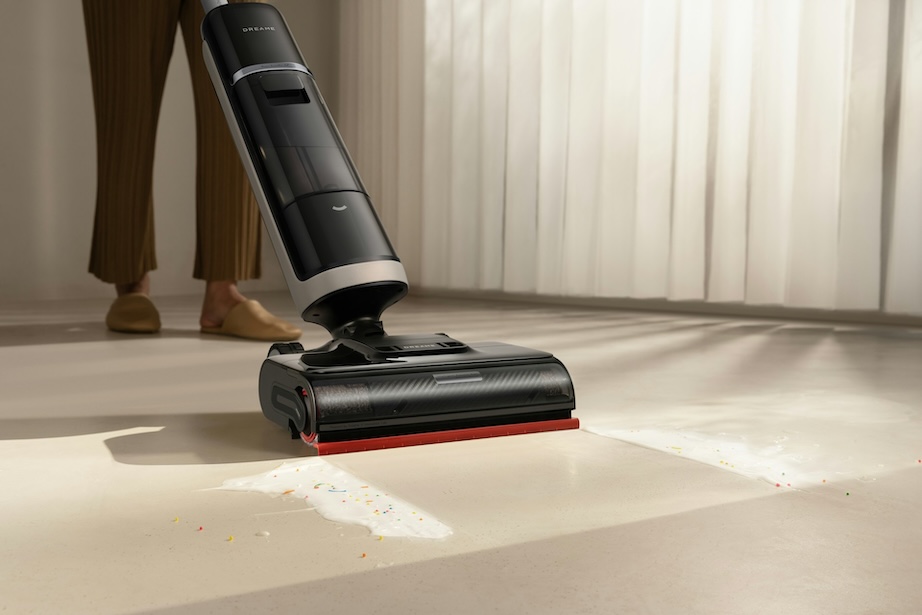
A spilled pot of water, a leaking dishwasher, or an overflowing toilet are contained events. The water volume is manageable and cleanup can happen quickly. A modern wet-dry floor cleaner handles this in a single pass: suction pulls up the liquid and any solid debris simultaneously, and the dirty water goes into an isolated tank you empty at the sink. No separate mop pass required.
The critical step after vacuum cleanup on hard floors is drying. Even after a thorough suction pass, a thin moisture film remains. Left alone on hardwood or laminate, that film seeps into seams and causes swelling or warping over time. A second pass with a dry microfiber pad or the vacuum’s dry-suction mode removes the remaining moisture.
Scenario 2: Appliance Leak or Pipe Failure
A washing machine overflow or a supply line failure under the sink releases more water over more time. By the time you find it, there may be standing water across 20-30 square feet of flooring and soaked cabinetry or baseboards.
Priority here is speed. Every additional minute water sits on wood subfloor, laminate, or drywall increases the risk of structural saturation and mold. Get as much water off the surface as fast as possible before worrying about disinfecting.
Use the vacuum to extract standing water first, working from the perimeter inward so you’re not pushing water further under cabinets or appliances. Once surface water is removed, check under the appliance and along baseboards. Water migrates further than it looks. A damp baseboard that looks fine from the front can have saturated drywall behind it.
After extraction, run fans and open windows immediately. If the leak was significant, consider a dehumidifier running for 24-48 hours. The vacuum removes the bulk moisture; air circulation removes the residual.
Scenario 3: Basement Flooding
Basement flooding from heavy rain or sump pump failure is a different category of problem. The water volume can be hundreds of gallons, and the cleanup timeline is measured in hours, not minutes.
A standard wet-dry vacuum is useful for final cleanup once bulk water has been addressed — but if you have more than an inch of standing water across a large area, you need a pump first. A submersible pump or a wet-dry vacuum with a pump function removes bulk water far faster than suction alone. Get the standing water down to a thin layer, then switch to vacuum extraction for the remainder.
After water extraction in a basement scenario, the real work is preventing mold. Mold can begin growing on porous surfaces within 24-48 hours of water exposure in warm conditions. Remove soaked cardboard, fabric, or drywall materials that can’t be fully dried. Run a dehumidifier continuously. Disinfect hard surfaces once dry.
For households managing both reactive spill cleanup and ongoing floor maintenance, pairing a wet-dry vacuum with a robot vacuum cleaner on a daily schedule covers both needs: the robot handles dry debris automatically, the wet-dry vacuum handles the urgent and wet messes that require your presence.
After Cleanup: What People Get Wrong
The most common mistake is assuming the cleanup is done when the floor looks dry. Moisture in subfloor, drywall, and cabinet bases isn’t visible. A moisture meter (inexpensive at any hardware store) tells you what the eye can’t.
The second mistake is using a mop for initial water removal. A mop pushes water around and saturates the fiber, which you then wring into a bucket — a slow, inefficient process that leaves substantial moisture behind on the floor. Vacuum extraction is faster and more thorough.
For households in flood-prone areas, or those with older plumbing, having a capable wet-dry vacuum on hand before you need it is straightforward preparedness. The Dreame H15 Pro Heat handles both the wet pickup and the follow-on hard floor wash with 185°F (85°C) hot water in one tool. The suction handles the water; the hot water wash handles the disinfecting pass. For regular spill cleanup, that dual function is more useful than two separate tools.
Quick Reference: Right Tool for Each Water Scenario
Minor spill on hard floors: wet-dry vacuum, one pass, done.
Appliance overflow or pipe leak (under 50 sq ft): wet-dry vacuum extraction, then dry fans.
Basement flooding (significant standing water): submersible pump first, then wet-dry vacuum for residual water, then dehumidifier for 24-48 hours.
Any scenario on wood subfloor or laminate: add a moisture meter check before declaring cleanup complete.
The Bottom Line
Water damage escalates fast. The difference between a simple cleanup and a mold remediation job is usually measured in hours. Having the right tool — one that handles both liquid and solid debris, and won’t short-circuit on contact with water — is what makes a fast, thorough response possible.
For everyday homes, that tool is a quality wet-dry vacuum that lives somewhere accessible, not buried in a storage closet under boxes.
Photo by Dreame Vacuum Cleaner on Unsplash
Contributed posts are advertisements written by third parties who have paid Woman Around Town for publication.