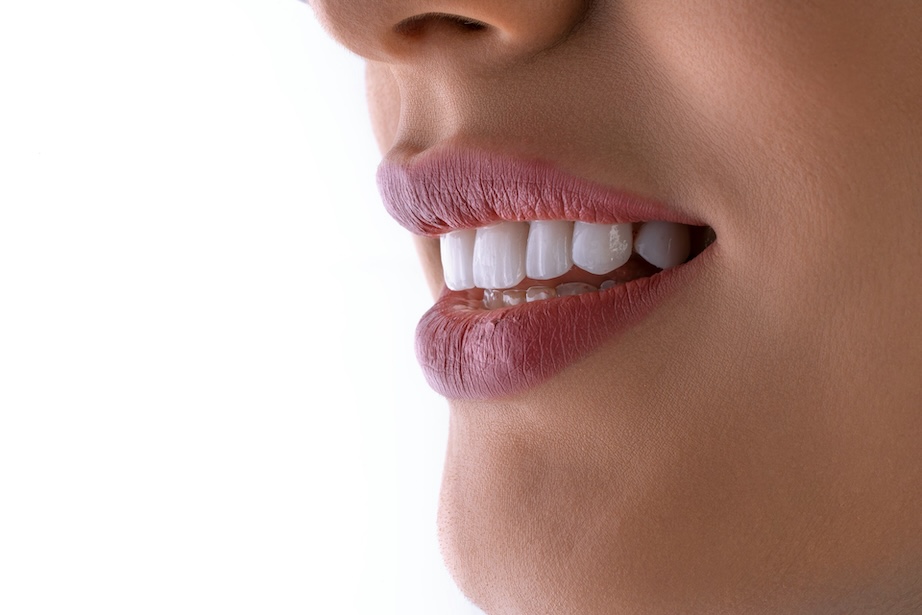
Have you been putting off your dentist appointment? Here’s a reason to finally book it: your dentist might know something about your heart that your doctor doesn’t.
The mouth picks up on early warning signs that show up nowhere else. Every bit of attention you give your oral health sends ripple effects through your heart, your immune system, and beyond, and the research on that connection runs deeper than most people expect.
Whether you’re looking into cosmetic dentistry or just trying to stay ahead of cavities, what happens in that chair matters far beyond your smile.
Your Mouth Is a Window Into Your Body
Dental researchers have long referred to the mouth as a “gateway” to the body’s overall health. And the science behind that idea keeps getting stronger.
You see, the mouth is one of the busiest environments in your body. Hundreds of bacteria live there every single day–most are harmless, but some can cause real damage when conditions allow them to spread.
Healthy gums act as a barrier. They help keep harmful bacteria from entering your bloodstream. But once gum disease or tooth decay sets in, that barrier weakens, and bacteria can travel through your blood to other organs.
The Surprising Link Between Gum Disease and Heart Health
People don’t learn until it’s too late that gum disease has been linked to a higher risk of cardiovascular disease.
The leading theory is that inflammation in the gums triggers inflammation throughout the body, including inside the arteries. Inflamed arteries raise the risk of blood clot formation, which can lead to heart attacks or strokes.
According to the Centers for Disease Control and Prevention (CDC), nearly half of adults aged 30 and older in the United States have some form of periodontal disease, many without even knowing it. This doesn’t mean gum disease directly causes heart disease. But the relationship is strong enough that cardiologists and dentists now encourage patients to share information across both practices.
Diabetes and Your Gums: A Two-Way Relationship
It’s a well-know fact that diabetes affects blood sugar. However, few are aware that it has a direct relationship with oral health, and it goes both ways.
People with uncontrolled blood sugar are significantly more prone to infections, including gum infections. Chronic high glucose creates an environment where bacteria thrive, making periodontal disease harder to prevent and harder to treat.
At the same time, severe gum disease makes it harder to regulate blood sugar levels. The inflammation from gum infection can interfere with how the body responds to insulin.
A study found that treating periodontal disease in people with diabetes can contribute to better glycemic control, meaning fewer dental problems can lead to better diabetes management overall.
That’s a finding worth paying attention to. A dentist visit isn’t just about your teeth. It can directly affect how well you manage a chronic health condition.
Stress, Anxiety, and What They Do to Your Teeth
Mental health and oral health don’t exist in separate lanes. They feed into each other in ways that are easy to overlook.
Chronic stress is one of the biggest triggers for teeth grinding, a condition called bruxism. It wears down enamel, causes jaw pain, and leads to tooth sensitivity. People dealing with anxiety may also develop canker sores or bite the inside of their cheeks as a physical response to tension.
Depression presents its own set of risks. It often leads to neglected hygiene routines, skipped dental appointments, and diets high in sugar or comfort foods that accelerate tooth decay.
The cycle goes the other direction, too. Tooth pain, visible decay, or missing teeth can cause real emotional distress. People withdraw from social situations, avoid smiling in photos, or feel embarrassed in professional settings. It affects confidence at a level that touches nearly every area of life.
What Cosmetic Dentistry Actually Does for Your Health
When most people hear cosmetic dentistry, they picture whitening trays or veneers. Aesthetics, full stop. But the picture is more complete than that.
Many cosmetic procedures correct structural problems that affect how you bite and chew. Also, misaligned teeth are genuinely harder to clean thoroughly, which raises the risk of plaque buildup and gum disease over time. Procedures like dental bonding, orthodontics, or contouring don’t just improve the look of a smile; they improve the function, too.
There’s also the confidence factor, and it’s worth taking seriously. Research consistently shows that people who feel good about their smiles are more likely to maintain the habits that protect them. For a lot of patients, cosmetic work is what finally pushes them to get serious about their oral health, and that’s a perfectly good reason to start.
If you’re in the Scottsdale, AZ area, Dental Studio 101 takes exactly that approach: treating cosmetic and preventive care as two sides of the same coin, not separate concerns. The practice is also known for its spa-like environment, which makes a real difference for patients who’ve been avoiding the chair out of anxiety.
What Happens When You Keep Ignoring Your Dental Health
Skipping dental care doesn’t just end in cavities. Left untreated over time, gum disease leads to tooth loss, bone deterioration in the jaw, and a higher vulnerability to systemic infections.
Researchers have also found traces of oral bacteria in the brains of Alzheimer’s patients. The exact nature of that relationship is still being studied, but the early findings are significant enough to warrant attention.
In rare but serious cases, untreated oral infections can spread to the jaw, neck, or deeper tissue. A toothache that persists isn’t always just a nuisance. It can be the start of something that requires emergency intervention.
Simple Habits That Actually Protect You
You don’t need an elaborate routine to keep your oral health in good shape. The basics still work. They just need to be done consistently.
- Brush twice a day using fluoride toothpaste.
- Floss daily, not just when you notice something stuck.
- Drink water regularly, especially fluoridated water, which strengthens enamel. C
- ut back on sugary drinks and snacks that feed harmful bacteria between meals.
- See your dentist at least twice a year. Not just when something hurts.
Regular cleanings remove tartar that brushing can’t reach. Your dentist can also catch early signs of gum recession, enamel erosion, or oral cancer long before you’d notice any symptoms on your own.
The Bigger Picture
Oral health doesn’t sit in its own corner, separate from everything else. It connects to your heart, your metabolism, your mental health, and your sense of self.
Between preventive care, restorative treatments, and cosmetic dentistry, there are more options available today than at any previous point in dental history. Getting your mouth in good shape is possible at any age, in nearly any condition.
Starting is what matters most. And the sooner you do, the more of your body you’re actually protecting.
Photo by Kamal Hoseinianzade on Unsplash
Contributed posts are advertisements written by third parties who have paid Woman Around Town for publication.