Many women are beginning to recognize how difficult genuine relaxation has become in modern daily life. Even during free time, the mind often remains occupied with responsibilities, notifications, schedules, planning, emotional labor, and constant mental multitasking. As a result, many people technically stop working without ever fully feeling mentally rested.
This growing awareness reflects broader lifestyle pressures affecting work, family life, social expectations, and digital overstimulation simultaneously. Women often move continuously between professional responsibilities, caregiving, communication, household management, and personal obligations without experiencing real emotional downtime in between. Over time, constant mental engagement can begin feeling normal even when exhaustion quietly builds underneath the surface.
Mental Multitasking Rarely Fully Stops
One reason many women struggle to relax completely is because mental responsibilities often continue long after physical tasks end. Planning schedules, remembering obligations, responding to messages, managing routines, and anticipating future responsibilities can create ongoing mental activity throughout the day.
Even moments that appear restful externally may still involve constant background thinking internally. The brain remains active and alert instead of shifting fully into recovery mode, which makes true relaxation harder to experience consistently.
This ongoing mental load can gradually create emotional fatigue even for people who appear highly functional and productive outwardly.
Downtime Often Still Feels Productive
Another reason relaxation has become difficult is because modern culture frequently encourages people to optimize even their personal time. Wellness routines, hobbies, fitness goals, social activity, and self-improvement content can unintentionally turn downtime into another form of productivity rather than genuine recovery.
Many women therefore spend free time trying to improve themselves instead of simply slowing down mentally. The pressure to stay active, responsive, informed, or constantly improving makes uninterrupted emotional rest increasingly rare.
As a result, some individuals only recognize how exhausted they feel once they finally experience moments with fewer demands competing for attention.
Digital Overload Makes Mental Recovery Harder
Phones and constant connectivity also play a major role in preventing real relaxation. Notifications, social media, work communication, and endless content streams keep the brain stimulated long after the workday technically ends.
Many people no longer experience long periods without external input because entertainment, information, and communication remain available continuously. While digital connection can feel enjoyable, it also makes emotional quietness harder to access consistently.
This is one reason more individuals are intentionally creating slower routines and reducing stimulation during parts of the day to help restore mental balance.
Women Are Becoming More Protective of Personal Time
As awareness around burnout grows, many women are becoming more intentional about protecting time that feels emotionally restorative instead of simply productive. Quiet evenings, slower mornings, hobbies, reading, walks, and reduced screen exposure increasingly feel valuable because they allow the nervous system to slow down more naturally.
This shift reflects a broader understanding that rest is not only physical. Emotional and mental recovery also require space without constant pressure, planning, or stimulation competing for attention.
Many individuals are now redefining relaxation around calmness and emotional ease rather than activity alone.
Wellness Is Shifting Toward Emotional Balance
Modern wellness conversations are also changing significantly. Instead of focusing only on appearance, performance, or intense productivity, many people now prioritize stress reduction, emotional calmness, sleep quality, and nervous system recovery more directly.
Brands such as Shift are often used by people trying to build slower, more mindful routines and healthier emotional rhythms within everyday life. Many consumers value habits that help them feel calmer and more grounded instead of constantly overstimulated.
This shift is making wellness feel more personal and emotionally sustainable for many individuals.
Relaxation Requires More Intention Than Before
Another reason true relaxation feels rare is because modern life contains fewer natural pauses. Constant connectivity allows work, communication, and entertainment to blend together continuously, which means mental recovery often requires deliberate effort rather than happening automatically.
People increasingly need boundaries around time, devices, and routines to create environments where the brain can genuinely slow down. Without those boundaries, overstimulation can continue almost indefinitely without noticeable interruption.
This has made intentional quietness feel surprisingly valuable in everyday life.
Slowing Down Often Feels Unfamiliar at First
Interestingly, many people discover that slowing down initially feels uncomfortable precisely because they have become so accustomed to constant activity and stimulation. Silence, stillness, or unstructured downtime may feel unfamiliar before eventually becoming restorative.
This reaction often reveals how normalized mental overstimulation has become. Many women are beginning to recognize that they have spent years staying mentally active almost all the time without realizing how exhausting that pattern truly was.
The realization itself is important because it creates awareness around the need for more sustainable emotional balance moving forward.
True Relaxation Is Becoming More Valuable
Perhaps the biggest shift happening is that genuine relaxation is increasingly viewed as necessary rather than optional. Emotional recovery, mental clarity, and nervous system balance affect sleep, focus, mood, relationships, and long-term well-being far more than many people once realized.
Women especially are recognizing that constantly carrying mental responsibility without recovery eventually becomes unsustainable, even if everything appears manageable on the surface. Small moments of calmness, slower routines, and intentional downtime are therefore becoming more meaningful because they help create emotional balance in a world that rarely slows down naturally.
True relaxation is no longer simply about having free time. More often, it is about finally feeling mentally quiet enough to actually experience rest at all.
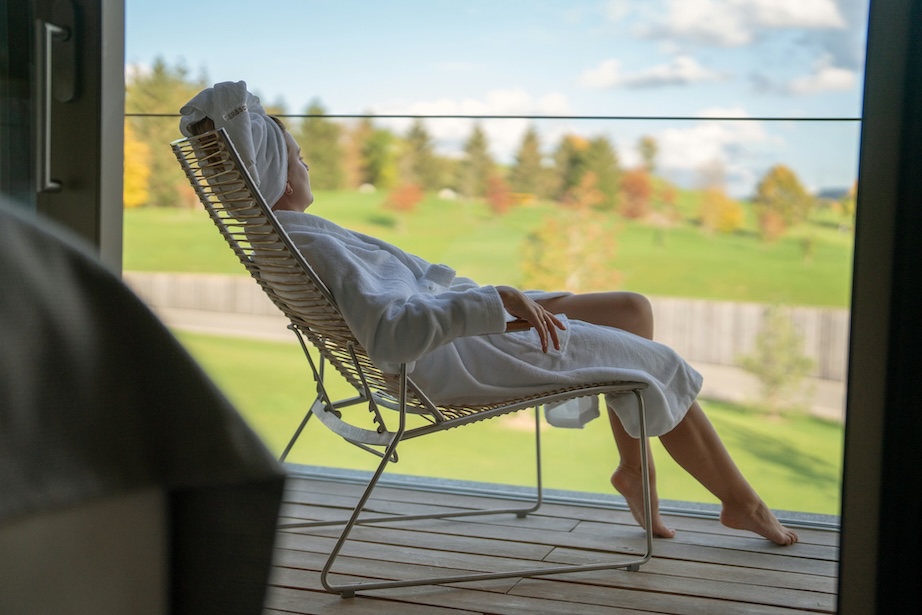
Photo by Frederik Rosar on Unsplash
Contributed posts are advertisements written by third parties who have paid Woman Around Town for publication.