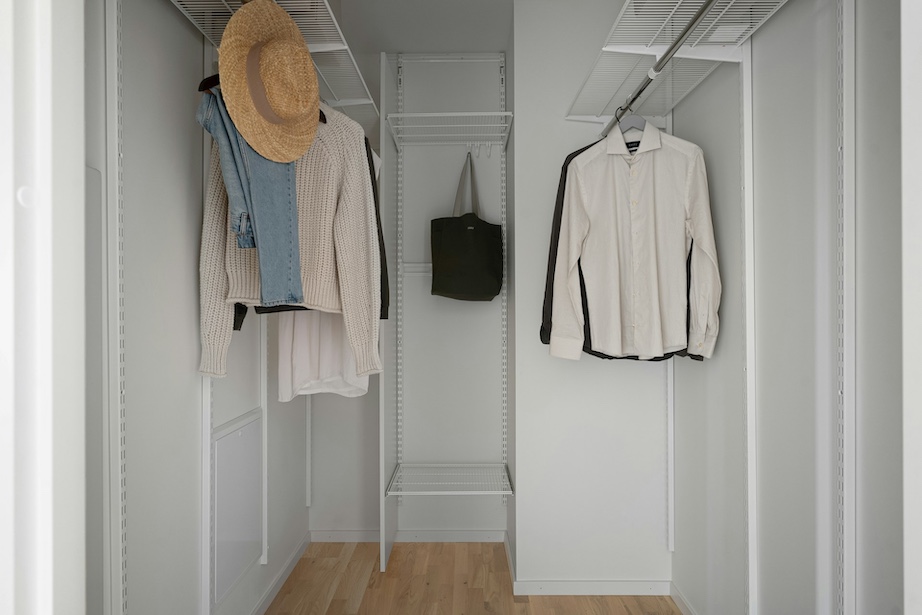
In a world overflowing with digital noise, cluttered spaces, and constant consumerism, minimalism is a refreshing alternative. It offers a way to simplify life, regain clarity, and focus on what truly matters. Not surprisingly, people of all age groups are joining the minimalism bandwagon.
Being Minimalist defines it as the freedom from duplicity, modern mania, and the passion to possess. Rather, it inspires you to live with intentionality that promotes things you value and eliminates everything else. Living minimally is the conscious decision to remove distractions that prevent you from living fully and authentically.
Whether you’re seeking financial freedom, more peace at home, or a clear mind, embracing minimalism can help you create space for purpose. However, you need to invest some effort to embrace a minimalist lifestyle. In this article, we will share a few practical tips to make it achievable.
Define Your Core Values and Goals
Minimalistic living begins with understanding why you actually want to live with less. Without clear reasoning, you may feel that the entire practice is temporary and meaningless. Here, you need to define the core values and goals that drive you in this direction.
Start by reflecting on your values with a few simple questions. What gives your life meaning? What activities, people, or possessions bring you genuine joy? What stresses or drains your energy unnecessarily? Once you list your values, try to align your goals with your answers.
For example, if you prioritize peace of mind, focus on reducing commitments and physical clutter that create stress. If financial security motivates you, commit to budgeting and intentional spending. For those who value sustainability matters, minimizing waste and investing in eco-friendly, long-lasting products should be lifestyle goals.
Identify Clutter and Purge
A clutter-free life is the foundation of minimalism. According to Verywell Mind, clutter can affect your mental health in many ways. From increasing stress to reducing focus, it can make things harder. Even worse, clutter can take a toll on your relationships by becoming an annoyance for your loved ones.
Clutter isn’t just the extra stuff that occupies your physical space; it can be emotional or digital. To identify it, you must develop awareness of what occupies your space and attention.
- Physical clutter tends to collect in common areas, such as wardrobes, kitchen drawers, or “junk corners.” You can eliminate the unnecessary stuff with the help of the “three-box method”: keep, donate/sell, and discard. Also, let go of things you have not used for a long time.
- Emotional clutter shows up as commitments that don’t align with your goals. Say no more often, and don’t feel guilty for protecting your mental bandwidth. True minimalism frees both your space and your emotional energy.
- Digital clutter includes unused apps, disorganized files, and overflowing emails. Although these items may not be visible, they consume mental energy. Set aside an hour weekly to unsubscribe from unnecessary newsletters, organize photos by folders, and delete redundant files.
Prioritize Quality Over Quantity
According to Good Green Choice, minimalist fashion is about choosing quality over quantity. Choose wisely and opt for high-quality, timeless pieces with understated elegance. Whatever you add to your wardrobe should not scream for attention; rather, it should speak volumes about your refined taste.
Besides your clothes, you must also choose high-quality accessories, such as jewelry. Of course, you should avoid buying too much, but you should still add variety to your collection. Luxury jewelry with black diamonds is a good example if you do not want to confine yourself to traditional diamonds.
Leibish notes that black diamonds are rare and unique, making them ideal for women who want to ace minimalist styling. Adopt the same mindset in other areas of daily living. For example, when buying home goods, look for well-crafted, multi-purpose items to replace several cheap ones. Buy tech tools that serve your work efficiently instead of accumulating gadgets with overlapping functions.
Spend Mindfully
Minimalism and mindfulness go hand in hand. For someone looking to adopt this mindset, every purchase should feel intentional, not impulsive. Before buying, you must pause and ask a few questions: Do I genuinely need this item? Does it support one of my core goals? Can I borrow, repurpose, or buy secondhand instead?
This “pausing and reflecting” practice helps curb emotional spending, something people do to overcome boredom, stress, or insecurity. Many minimalists use the 30-day rule to get rid of mindless spending. This rule recommends waiting for 30 days if you want a non-essential item. Often, the urge fades, revealing true disinterest.
Mindful spending also applies to experiences. Instead of saying yes to every outing or project, invest time and money in things that make you happy. Sometimes the most rewarding thing to “buy” is time. You can spend it reading, exploring nature, or connecting meaningfully with others.
Practice Gratitude
HelpGuide highlights how gratitude makes you a happy person. When you start showing appreciation for little things, you start counting blessings that are easily overlooked or taken for granted. Practicing gratitude can lift your mood, strengthen your relationships, and change your approach.
Minimalism is also about thriving on appreciation, not scarcity. When you focus on what you already have, the desire for more automatically fades. Start a daily gratitude habit, such as writing down three things you’re grateful for each morning. Learn to acknowledge small joys like the comfort of your home and time with family. Reflect on what you’ve let go of, and how that has made your life lighter.
Gratitude also rewires your mindset. It shifts perception from not having enough to having more than you need. Once you wire yourself to this mindset, you no longer struggle with comparison, anxiety, and impulse buying. Over time, you develop a deeper sense of sufficiency and calm.
FAQs
Do Gen Zers like minimalism?
Yes, many members of Gen Z are drawn to minimalism. Since they have grown up in an era of digital overload and environmental awareness, minimalism appeals as a mental health strategy and an eco-conscious lifestyle. They often value authenticity over material display, aligning perfectly with minimalist principles.
What are common minimalist mistakes?
Equating minimalism with aesthetics only is perhaps the most common mistake. It’s not just about white walls and neutral tones; rather, it’s a mindset. Decluttering too fast, becoming judgmental, and over-restricting oneself are other mistakes people make. Balance and flexibility matter.
What is the 30-day rule for minimalism?
The 30-day rule is a simple yet powerful technique for curbing impulse buys. When you want something non-essential, don’t buy it immediately. Instead, write it on a list with the date and wait 30 days before making the decision. If, after a month, you still consider it a must-buy and it fits your budget and values, you can seal the deal.
Minimalism isn’t a destination, but a continual practice of clarity and alignment. It is choosing to own less, but live more. When you pare away distractions, you uncover what’s essential, such as the people, experiences, and values that make your life meaningful. As you move each small step toward simplicity, you build momentum toward a more intentional, peaceful life.
Photo by Alex Tyson on Unsplash
Contributed posts are advertisements written by third parties who have paid Woman Around Town for publication.