
Women often notice a sudden shift in their facial structure during their late thirties and early forties. The reflection in the mirror looks slightly different in a way that is hard to articulate. You see signs of collagen loss and volume loss that seem to happen almost overnight. The biological reality behind this sudden change is quite clear. The shifts align perfectly with declining estrogen and skin thickness. Estrogen receptors are abundant in the dermis; they play a critical role in maintaining hydration and structural integrity. When those hormone levels drop as a woman approaches menopause, the skin loses its ability to retain moisture. It also loses the ability to produce structural proteins efficiently.
We classify these combined physiological shifts as perimenopausal skin changes. The face essentially loses its internal scaffolding. You see an overall deflation that fundamentally changes facial contours, rather than simple wrinkles or fine lines. The fat pads shrink and descend. The bone structure begins to remodel and resorb. The skin envelope itself becomes thinner and less resilient. This creates a perfect storm of structural collapse.
The Mechanics of Dermal Depletion
The structural foundation of the face relies heavily on a dense, interconnected network of collagen and elastin fibers. Fibroblasts act as the primary biological factories producing these essential proteins. Their productivity plummets dramatically during perimenopause. Dermal thinning becomes highly visible in areas where the skin is already relatively delicate, such as the temples, the under-eye region, and the lower cheeks. The skin loses its bounce and takes on a crepey texture.
Many aesthetic practitioners historically relied on traditional hyaluronic acid to mask these specific deficits. Hyaluronic acid is an excellent hydrator and space occupier. It immediately plumps the tissue and smooths out shadows. It does not actually solve the underlying physiological problem of tissue degradation. The filler sits in the tissue and eventually degrades, leaving the skin in the same depleted state.
A more biological approach focuses on reversing the actual structural deficit. We look toward treatments that force the body to build new, healthy tissue. PLLA biostimulators are particularly effective for this exact purpose. They do not sit inertly in the tissue waiting to be metabolized. They act as active catalysts. They trigger a controlled, subclinical inflammatory response that aggressively recruits fibroblasts to the injection site. The goal is to wake up the dormant cells and force them back into active production mode.
Rebuilding with Poly-L-Lactic Acid
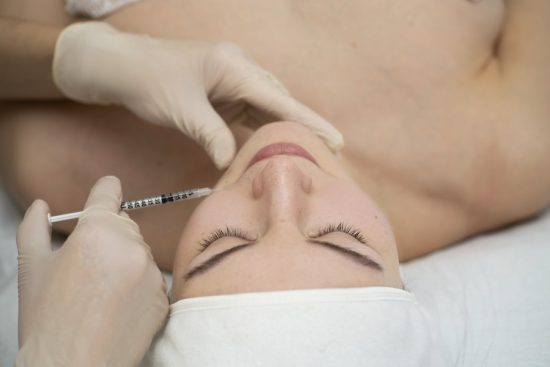
The synthetic polymer poly-L-lactic acid has a very long and proven history in mainstream medicine; it was originally utilized in biodegradable sutures and orthopedic implants. We now use it extensively in aesthetic medicine to address severe structural volume deficits. Sculptra is the most prominent and widely recognized injectable formulation of this specific polymer. When a practitioner injects Sculptra into the deep dermal or subcutaneous layers, the microscopic particles act as a seed for cellular action. Macrophages encapsulate the particles, which then triggers a massive biological cascade. This cascade leads directly to neocollagenesis. If you want to integrate this specific biostimulator into your practice, you can purchase Sculptra for your aesthetic clinic to provide patients with a reliable tool for deep structural support. Sculptra requires precise reconstitution protocols and a deep understanding of three-dimensional facial anatomy to achieve optimal outcomes. The product itself does not provide the final volume. The goal is to lay down a microscopic framework that the patient’s own body will flesh out with fresh collagen over several months.
Specific Areas of Deflation
A 2021 clinical review published in the Journal of Cosmetic Dermatology highlighted that poly-L-lactic acid significantly increases Type I collagen production by up to 66 percent within three months of the initial injection. Type I collagen is the rigid, tightly packed structural protein that gives youthful skin its firm resilience. We desperately need this structural rigidity when we attempt to treat midface and temple hollowing. These areas are notoriously difficult to correct with standard soft tissue gels. The volume loss in these zones is often profound and diffuse, affecting the entire architectural balance of the upper face.
Facial volume restoration requires a comprehensive, three-dimensional perspective. The temples lose both bone mass and temporal fat as perimenopause progresses. The overlying skin then drapes poorly over the remaining concave bone structure. The injection of a biostimulator directly into these hollows creates a natural lifting effect by tightening the entire cutaneous envelope.
You see similar mechanical benefits in the midface. The malar fat pads flatten out and migrate downward toward the jawline. Targeted collagen restoration in the upper cheeks pulls the tissue taut. This directly combats frustrating skin laxity and firmness issues. The face looks lifted because the skin envelope has actually shrunk and thickened, rather than being artificially inflated with heavy gels.
Protocol and Patient Management
Clinical success with these advanced biostimulators relies heavily on proper patient selection and meticulously managing expectations. A thorough skin quality assessment is the mandatory first step before drawing up any product. You must evaluate the degree of solar elastosis, the current thickness of the dermal layer, and the patient’s overall capacity to heal. Patients with severe, uncontrolled autoimmune conditions or those on heavy, chronic anti-inflammatory medications might not mount the necessary immune response to generate new collagen. You are relying on their immune system to do the heavy lifting.
The treatment protocol is rarely a single, isolated event. Patients need to understand clearly that fibroblast stimulation takes considerable time. A standard clinical protocol involves a dedicated treatment series and session spacing. Most medical guidelines recommend three distinct sessions spaced roughly four to six weeks apart. This deliberate spacing allows the patient’s immune system to process the microparticles properly. It lays down the initial collagen fibers before the next inflammatory stimulus is introduced into the tissue.
We can outline the general chronological expectations for the patient:
- Weeks 1 to 4: The sterile water vehicle absorbs completely into the body. The initial plumping effect subsides, leaving only the microscopic polymer particles behind in the tissue.
- Weeks 4 to 8: Cellular recruitment reaches its peak. Active, new collagen synthesis begins to replace the depleted matrix.
- Months 3 to 6: The newly formed collagen matrix matures and cross-links. The structural improvements finally become visible on the surface of the skin.
The Long-Term Trajectory of Biostimulation
Patients who commit patiently to the multi-month process are consistently rewarded with gradual, natural-looking results. The face never looks distorted, overfilled, or artificially augmented. The physical improvements appear exactly like natural, youthful tissue because they are entirely composed of the patient’s own biological material. The synthetic polymer particles slowly degrade into lactic acid through natural hydrolysis. The body then easily metabolizes this lactic acid into carbon dioxide and water, eliminating it completely through the respiratory system. The robust collagen framework remains standing long after the original polymer has completely disappeared from the body.
The restoration of dense, resilient dermal tissue is undeniably a long game. The visible clinical results typically peak around six to nine months post-treatment. These improvements can then easily last for two years or more before the natural aging process begins to break down the new collagen. This impressive longevity makes the initial investment of time and clinical resources highly worthwhile for patients. They are navigating the complex, often frustrating physical shifts of their late thirties and forties.
Practitioners must fundamentally pivot their clinical approach when dealing with perimenopausal patients. We cannot successfully treat severe structural depletion with simple, space-occupying gels alone. The core biology of the skin has changed at a cellular level. The foundational support beams have degraded and collapsed. We must utilize intelligent medical tools that directly address this cellular slowdown. The stimulation of the body’s own innate regenerative capacity is the most logical, scientifically sound path forward. The tissue simply needs a chemical reason to rebuild itself. The provision of that specific biological catalyst changes the entire physiological trajectory of the aging process for these patients.
The Importance of Structural Integrity
We must focus intensely on restoring dermal density when addressing the aging face. Density dictates how the skin behaves under mechanical stress. When you pinch youthful skin, it snaps back instantly. It feels thick, robust, and impenetrable. Perimenopausal skin often feels entirely different. It feels thin, compressible, and fragile. This fragility is a direct result of the collapsing collagen matrix. The skin can no longer resist the downward pull of gravity.
The treatment of this specific fragility requires patience. Biostimulation is a biological commitment. You are asking the body to expend significant energy to repair tissue that it had previously abandoned. The poly-L-lactic acid simply provides the architectural blueprints and the initial spark. The patient’s own physiology does the rest of the grueling work. This is why hydration, nutrition, and overall systemic health play a surprisingly large role in the final aesthetic outcome. A healthy body produces healthier, more robust collagen.
The shift toward regenerative aesthetics represents a massive step forward in our specialty. We are moving away from merely chasing lines and filling shadows. We are focusing on tissue health. We are rebuilding the canvas itself. This approach respects the complex anatomy of the human face. It acknowledges that true rejuvenation requires an inside-out strategy. The surface of the skin will always reflect the health and density of the structures supporting it from underneath.
Contributed posts are advertisements written by third parties who have paid Woman Around Town for publication.