
Skin renewal begins below the surface, where fibroblasts build collagen and elastin. Copper peptides support this by carrying copper into living skin layers and influencing the cells that maintain the dermal scaffold. This process differs from a moisturizer that mainly improves surface hydration. A copper peptide cream therefore deserves attention for its cellular pathway, measured skin changes, and practical use. Here’s how that pathway supports firmer, smoother-looking skin.
How Copper Peptides Work Inside Skin
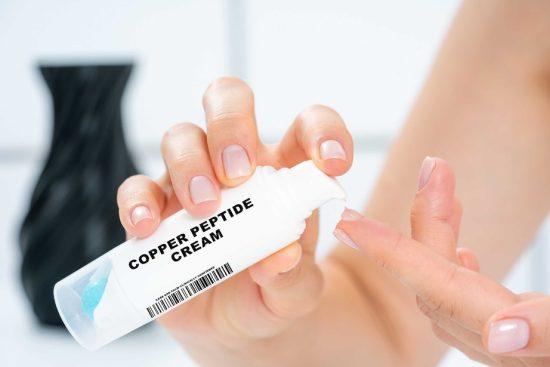
Topical use delivers the active ingredient directly to clean, dry facial skin, where the dermis contains cells that produce structural proteins. A prescribed GHK-Cu cream provides a labeled 4% concentration in a 30g pump, giving users clear information about strength and application. That detail matters because cellular support depends on consistent, directed use rather than occasional application.
GHK-Cu contains three amino acids, glycine, histidine, and lysine, bound to a copper ion. This small complex carries copper into the living skin layer, where fibroblasts build collagen and elastin.
Fibroblasts act as the skin’s construction cells. The copper peptide raises their output in cell and tissue work, supporting the proteins that give skin structure. More collagen and elastin create a denser dermal scaffold, supporting firmness and a smoother texture.
What Human Studies Measured
Four published human studies examined topical copper peptide creams. Two studies applied the cream to women’s faces for 12 weeks and measured changes in laxity, clarity, firmness, appearance, fine lines, wrinkle depth, density, and thickness.
One facial cream study included 71 women. After 12 weeks, skin laxity, clarity, and overall appearance improved. Fine lines softened, wrinkle depth dropped, and measurements showed higher skin density and thickness.
A second study included 67 women aged 50 to 59 who applied the cream twice daily for 12 weeks. Researchers reported improved laxity, clarity, firmness, and appearance, alongside reductions in fine lines, coarse wrinkles, and mottled pigmentation.
Biopsy results added a closer look at the dermis. 70% of women using a copper peptide cream showed a measured rise in collagen, compared with 50% using vitamin C and 40% using retinoic acid.
Why Concentration and Labeling Matter
A product label helps users distinguish the active ingredient from the rest of a formula. For example, a typical peptide cream can contain one active ingredient, copper peptide, at 4%. The label lists the strength, and the pump measurement indicates the amount supplied.
That information also supports consistent use. Users know the concentration before applying the cream and receive directions on the pharmacy label. In most cases, the product is a topical prescription prepared by a licensed 503A compounding pharmacy.
What Changes Take Time
Cellular renewal doesn’t produce an overnight structural change. The human topical studies ran for 12 weeks, giving the skin time to build and organize additional collagen and elastin.
Customer reports on the inspected page describe smoother texture, less dryness, and makeup sitting flatter after about 10 to 12 weeks. These observations match the study period, although individual results still depend on skin condition, routine, and regular application.
How to Use It in a Routine
Buyers should apply the cream to clean, dry facial skin as directed on the pharmacy label. Broad-spectrum sunscreen remains part of a morning routine because UV exposure damages collagen and affects visible skin aging.
Anyone using retinol, an acid, or another active cream should contact the care team before adding copper peptide cream. A licensed provider can explain spacing instructions or advise whether to pause one product.
Conclusion
Copper peptide cream supports skin renewal through a defined cellular pathway. GHK-Cu carries copper into living skin, where fibroblasts produce collagen and elastin for a denser dermal scaffold. Human studies measured improvements in firmness, laxity, texture, wrinkles, pigmentation, density, and thickness after 12 weeks. A practical next step is to review the pharmacy label, apply the cream consistently to clean skin, and ask a licensed provider before combining it with other active treatments.
Photo by Shutterstock/Asset id: 2689777241
Contributed posts are advertisements written by third parties who have paid Woman Around Town for publication.