Facelifts have come a long way, and so have patient expectations. People no longer want a tight, pulled result that fades within a few years. They want something natural, refined, and lasting. For patients across Beverly Hills, this shift has quietly made the deep plane facelift one of the most sought-after techniques in modern facial surgery. The reason is simple. It lasts longer than other options, and the results tend to look better over time, not worse.
Here is what actually sets this technique apart and why it has become the gold standard for patients who want results that stand the test of time.
It Works on the Layer That Actually Holds the Face Up
Most traditional facelifts focus on tightening the skin. That approach can produce a visible improvement, but it rarely lasts. Skin is elastic. Over time, it stretches again, and the result begins to fade.
The deep plane facelift works on something far more structural. It repositions the deeper layer of the face, including the SMAS and the underlying muscle and fat, instead of just adjusting the skin. By addressing the foundation of the face rather than the surface, the result lasts significantly longer because the structure itself has been restored.
It Releases the Tissue Instead of Pulling It
One of the biggest reasons a deep plane facelift ages so well is that it is designed to release rather than pull. The surgeon carefully frees the deeper tissue from the ligaments holding it in a sagging position. Once released, that tissue naturally returns to its original, more youthful location without being stretched.
This creates a result that looks natural and feels relaxed. There is no pulled, windswept appearance because nothing is being yanked into place. The face simply looks like itself, only years earlier.
It Restores Volume Where It Belongs
As the face ages, volume shifts downward. Cheeks flatten. Jowls form. The jawline softens. Many facelift techniques simply remove excess skin and tighten what is left, which does nothing to address lost volume.
The deep plane facelift repositions that volume back where it originally belonged. This is why patients often look rested and youthful rather than merely tightened. Restored volume ages far better than removed skin because it addresses the actual cause of facial aging.
Why It Lasts Longer Than Other Techniques
Several factors combine to make the results of a deep plane facelift last noticeably longer than other methods. Patients often enjoy visible improvement for ten to fifteen years, sometimes more, depending on lifestyle and skin care. The key reasons include:
- Structural repositioning rather than surface tightening
- Natural release of tissue without aggressive pulling
- Restoration of volume to its original position
- Longer-lasting improvement to the jawline and neck
- Reduced tension on the skin, which helps it age more gracefully
- Fewer touch-ups needed over time compared to lighter techniques
This combination is what gives the deep plane technique its reputation as the longest-lasting option in modern facial surgery.
Why Surgeon Experience Matters More Than Ever
This is a technically demanding procedure. It requires a surgeon with advanced training, meticulous skill, and a strong artistic eye. The difference between a good deep plane facelift and a truly exceptional one often comes down to the surgeon’s hands.
This is exactly why patients considering a deep plane facelift in Beverly Hills are increasingly selective about the specialist they choose.
Dr. Sarmela Sunder is one of the respected names in this space, known for her refined technique, patient-first approach, and a reputation for natural, lasting results. Her focus on preserving each patient’s unique features is exactly what the deep plane technique calls for when done at the highest level.
The Aesthetic That Defines Modern Patients
Today’s patients want results that let them look rested and refreshed without appearing changed. The deep plane technique delivers exactly that. Because the deeper layers do the lifting, the skin can be redraped naturally rather than stretched. The outcome looks organic, not surgical.
Friends and coworkers notice something refreshed about the patient without being able to point to anything specific. That is the mark of a truly modern facelift.
Recovery Is Smoother Than People Expect
Despite being a more comprehensive procedure, many patients report that recovery from a deep plane facelift is more manageable than they anticipated. Swelling and bruising follow a predictable timeline, and most patients return to social activities within a few weeks. The incisions are carefully placed to heal discreetly, and the long-term benefits make the short-term recovery well worth it.
Conclusion
The deep plane facelift has quietly earned its place as the longest-lasting, most natural-looking option in modern facial rejuvenation. By working on the deeper layers, releasing rather than pulling, and restoring volume where it belongs, this technique delivers results that continue to age gracefully for well over a decade. For patients considering a facelift that stands the test of time, a thoughtful consultation with an experienced specialist is the perfect first step toward a result that feels like your most refreshed self for years to come.
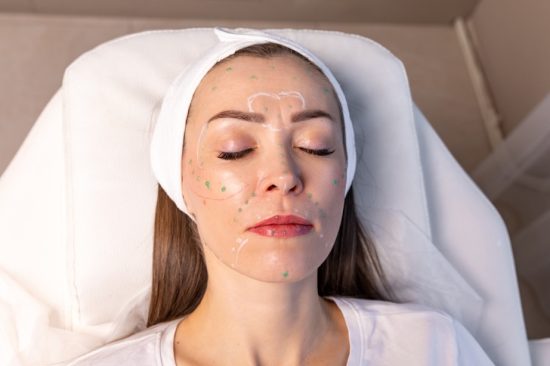
Photo by Shutterstock
Contributed posts are advertisements written by third parties who have paid Woman Around Town for publication.