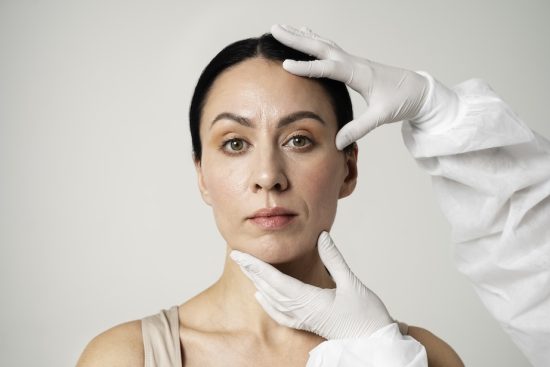
Skin behaves a lot like a physical building. We usually focus on the paint or the facade when we talk about looking older. The real changes happen deep in the framework. The dermal structural support begins to give way as we accumulate years. The body relies on a continuous cycle of creation and destruction to maintain this tissue. The biological system produces enzymes called matrix metalloproteinases that constantly break down old proteins to make room for new ones. The balance tips unfavorably as we age; the destructive enzymes become hyperactive while the building cells go to sleep. We start to experience profound collagen and elastin loss. The visible result on the surface is skin laxity and thinning. The biological truth is that the scaffolding underneath has collapsed. The foundation can no longer hold the weight of the tissue above it.
The Microenvironment of the Extracellular Matrix
The extracellular matrix acts as the complex biological environment where all this activity takes place. This matrix is much more than empty space between cells; it is a highly active, three-dimensional communication network. Dermal fibroblasts live inside this web. They act as the master architects of the skin. They read mechanical and chemical signals from their environment to determine exactly when to build more structure. Hyaluronic acid in the dermis fills the microscopic gaps between the protein fibers. This sugar molecule holds massive amounts of water and provides the necessary turgor pressure that keeps the skin looking plump.
Age-related collagen decline disrupts this entire microenvironment. The fibroblasts shrink and lose their critical connections to the surrounding matrix. A 2019 clinical review published in the Journal of Clinical and Aesthetic Dermatology found that aged fibroblasts physically detach from the extracellular matrix, which causes a 75 percent reduction in their mechanical tension and significantly drops their protein production. The cellular factories shut down. The remaining elastin fibers become disorganized, brittle, and less capable of snapping back into place.
Waking Up the Cellular Factories
The reversal of this process requires much more than surface-level hydration. Fibroblast activation serves as the primary biological mechanism capable of restoring the lost architecture. You cannot simply patch the surface if the support beams have completely deteriorated. The cells need a mechanical or chemical signal to restart their dormant production lines. This biological requirement led researchers to the development of biostimulatory injectables. These treatments do not act as static space-fillers. They introduce specific synthetic materials into the deep tissue to provoke a calculated immune response.
The body detects these materials as foreign entities and sends helper cells to investigate the area. This localized, highly controlled inflammation wakes up the sleeping dermal fibroblasts. They respond to the perceived intrusion by increasing localized collagen synthesis. This process builds actual structural integrity rather than acting as a temporary cosmetic illusion. The tissue thickens naturally.
The Mechanism of Poly-L-lactic Acid
Poly-L-lactic acid (PLLA) dominates the scientific literature regarding this type of targeted cellular stimulation. Medical researchers originally used PLLA in dissolvable sutures, bone screws, and plates for reconstructive surgery. They noticed a distinct biological phenomenon; as the material slowly dissolved, the surrounding tissue grew exponentially stronger and denser. This clinical observation shifted its use toward cosmetic applications.
The PLLA microparticles act as a temporary synthetic scaffold within the aging skin structure. The body mounts a mild foreign body response to these particles. The immune cells encapsulate the PLLA, and the fibroblasts lay down thick bands of new collagen directly around them. The exact size and shape of these microparticles matter immensely. The manufacturing process involves highly specific milling to achieve a precise diameter. The immune system recognizes this specific particle size as something that requires a walled-off response rather than immediate destruction. The body slowly metabolizes the synthetic material over a period of nine to twenty-four months. The foreign particles eventually turn into carbon dioxide and water and simply leave the body. The newly synthesized proteins remain in their place.
The Role of Sculptra in Structural Repair
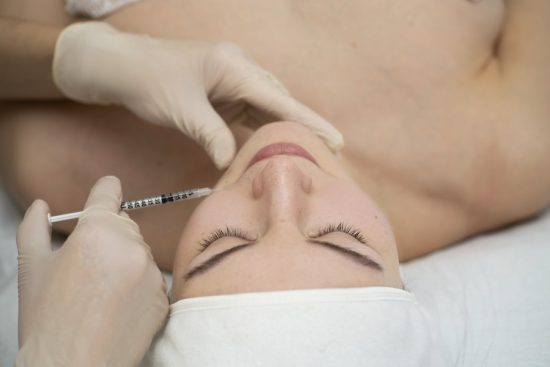
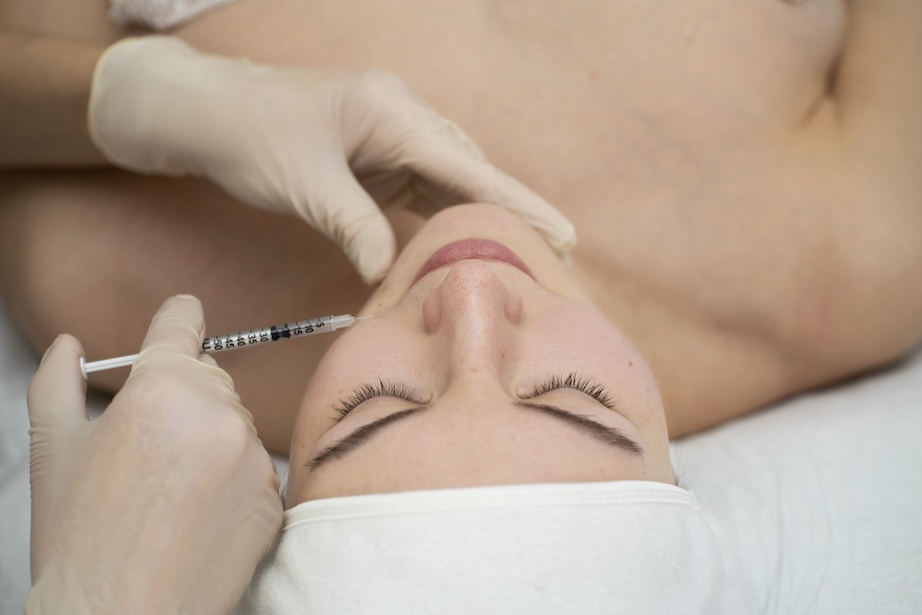
Sculptra remains the most heavily documented commercial formulation of poly-L-lactic acid designed to trigger this precise biological cascade. Physicians utilize Sculptra to treat widespread facial volume loss because it rebuilds the underlying tissue architecture directly. The liquid suspension is injected deep into the dermis or right above the bone. The water carrier absorbs quickly, leaving the PLLA microparticles behind to initiate the inflammatory response and subsequent fibroblast activation. Clinics consistently order Sculptra for aesthetic practices to provide patients with authentic tissue redensification. The treatment requires a significant shift in patient expectations. You will not see immediate volume with Sculptra. The aesthetic results manifest gradually over several months. The matrix remodeling takes time because the body has to manufacture every new protein fiber from scratch.
The Long Game of Matrix Remodeling
Matrix remodeling involves a highly choreographed sequence of biological events. The initial injection causes some temporary swelling due to the sterile water. That volume dissipates within a few days. The actual biological work happens completely out of sight.
The specific timeline of this cellular repair protocol proceeds as follows:
- Weeks one through four: The immune system identifies the microparticles and surrounds them with macrophages.
- Weeks four through eight: Fibroblasts migrate to the area and begin depositing massive amounts of new collagen type III.
- Months three through six: The type III collagen gradually matures into the stronger, more durable type I collagen.
The tissue literally reconstructs itself from the inside out. The newly formed elastin fibers and collagen bundles integrate completely into the existing extracellular matrix. Physicians can measure a tangible increase in dermal thickness and density as this biological process concludes. The skin feels noticeably firmer and more resilient to the physical touch.
Rethinking the Approach to Facial Aging
Most conventional approaches to facial aging focus exclusively on static volume replacement. A provider sees a fold and puts a hyaluronic acid gel directly inside that fold. That methodology treats a visual symptom without addressing the fundamental biological deficit in the aging skin structure. Fibroblast activation alters the cellular behavior of the tissue itself. The skin regains its innate ability to resist gravity.
The scientific community continues to investigate exactly how mechanotransduction forces these cells to produce more protein. Physical tension on the fibroblasts seems to trigger a chemical signal that promotes aggressive collagen synthesis. The new proteins stretch the cells even further. This creates a positive feedback loop of continuous structural reinforcement. We have mapped the specific pathways that these cells use to communicate. The entire process relies on a complex language of cytokines and growth factors. We are no longer guessing about how to make the skin thicker. We are applying targeted chemical stimuli to force a predictable biological outcome.
The anatomical changes associated with architectural collapse vary across different zones of the face. The midface usually shows the earliest signs of structural failure. The heavy fat pads slide downward when the dermal envelope loses its rigidity. This migration creates heavy nasolabial folds and deep hollows under the eyes. A localized treatment for the fold does nothing to fix the laxity of the cheek above it. Broad cellular stimulation across the entire midface tightens the envelope holding the fat pads in place.
The lower face presents a different challenge altogether. The jawline loses its sharp contour as the tissue drapes heavily over the bone. The reconstruction of the structural framework along the jaw and pre-auricular area helps pull the tissue taut again. The approach relies entirely on the principle of biological scaffolding. A stronger matrix supports the heavy underlying tissues.
This mechanism of action represents a fundamental shift in aesthetic medicine. The goal is no longer chasing individual lines or filling hollows with inert gels. The focus now rests entirely on cellular optimization. The aging process actively dismantles our biological infrastructure. We have to provide the correct stimuli to force the body to run its own internal repair programs. The cells responsible for maintaining the skin are still present in the tissue; they are simply dormant. Biostimulatory injectables deliver the necessary wake-up call. The fibroblasts will do the heavy lifting if we give them the right signals.
Contributed posts are advertisements written by third parties who have paid Woman Around Town for publication.