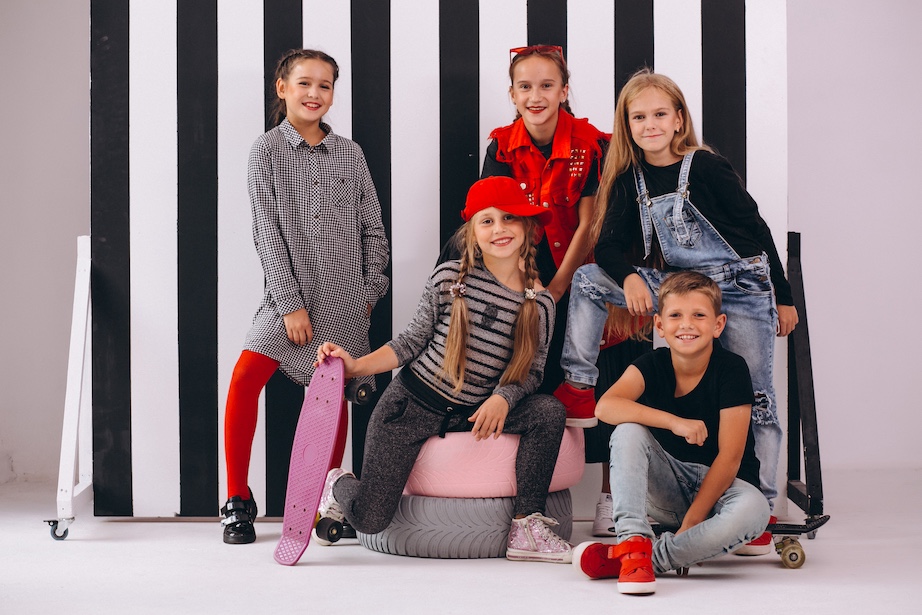
This season’s best kids’ styles are practical first, fun second, and easy to mix every day. Parents are looking for kids’ clothing that can handle school, playdates, weekends, and changing weather without giving up personality. The strongest looks combine comfort, color, relaxed shapes, and small statement details that make everyday outfits feel fresh.
What’s Trending in Kids Fashion Right Now?
What’s trending in Kids Fashion right now is a move toward clothes that feel expressive but still work for real life. Current kids fashion trends point to bold color, playful prints, relaxed fits, soft fabrics, and pieces that let children move freely, rather than stiff outfits saved only for special occasions. Recent kidswear trend coverage also highlights comfort, durable “functional fashion,” vibrant styling, and more intentional, easy-to-pass-down clothing choices.
That balance matters because children rarely dress for just one activity. A school outfit may need to survive recess, lunch, art class, and an after-school stop. The best seasonal wardrobe is built around pieces that look current but still wash well, layer easily, and feel good from morning to evening.
Color Is Back in a Big Way
Neutral basics will always have a place, but this season is more cheerful. Bright blues, greens, reds, pinks, sunny yellows, and rich earth tones are showing up across kidswear. Instead of dressing a child head to toe in one loud color, use bold shades as the main feature of an outfit.
A bright sweatshirt with denim, colorful sneakers with joggers, or a printed dress with a simple cardigan can make a look feel modern without becoming hard to wear. This approach also helps parents get more use from each item. A bold top can work with jeans, leggings, skirts, cargo pants, or shorts depending on the weather.
For children who prefer softer looks, try muted versions of trend colors. Dusty blue, sage, clay, berry, and warm cream can still feel seasonal while staying calm and versatile.
Comfortable Fits Are the New Everyday Essential
One of the most useful kids fashion trends is the shift toward relaxed shapes. Wide-leg pants, roomy joggers, oversized sweatshirts, soft tees, pull-on skirts, and easy dresses all support movement. Trend reports for 2026 kidswear continue to connect style with comfort, especially through relaxed fits and playground-ready pieces.
This does not mean outfits should look sloppy. The key is structure in the right places. A relaxed sweatshirt looks polished with straight-leg jeans. Joggers feel more put together when paired with a clean graphic tee and a zip jacket. A loose dress works well with leggings or bike shorts underneath for active days.
When shopping, check the fabric and fit before the trend. Kids are more likely to wear pieces that do not pinch, itch, ride up, or limit movement. If a trendy item looks great but feels uncomfortable, it usually stays in the drawer.
How Can Parents Build Trendy Outfits Without Overbuying?
Parents can build trendy outfits without overbuying by choosing a small number of statement pieces and pairing them with reliable basics. Start with what your child already wears often, then add seasonal updates that match those pieces. This keeps the wardrobe flexible and helps avoid buying clothes that only work one way.
A simple seasonal formula can make dressing easier:
- Choose three to five core basics. Think jeans, joggers, leggings, plain tees, cardigans, or hoodies in colors that match many outfits.
- Add two trend pieces. Pick items like a bold printed top, cargo pants, a colorful jacket, a patterned dress, or standout sneakers.
- Use layers to stretch the season. Lightweight jackets, flannels, vests, and cardigans help summer pieces work into cooler weeks.
- Let accessories do some work. Hats, socks, backpacks, hair clips, and shoes can update a look without replacing the whole outfit.
- Repeat favorite combinations. Kids do not need a brand-new look every day. If an outfit works, build small variations around it.
This method is also useful for children who have strong style opinions. Give them two or three parent-approved options, then let them choose the final combination. It encourages independence while keeping the outfit practical.
Prints, Graphics, and Texture Add Personality
Prints are one of the easiest ways to make kids’ clothing feel current. Stripes, checks, florals, animal-inspired prints, playful icons, and bold graphics all bring energy to simple outfits. Several 2026 kidswear sources point to vibrant prints and expressive clothing as key directions for children’s fashion.
The trick is to keep the outfit balanced. If the top has a large graphic, pair it with solid bottoms. If the pants have a pattern, choose a simple tee or sweatshirt. For children who love bolder style, mix prints in the same color family so the look feels fun rather than random.
Texture also adds interest. Ribbed knits, quilted jackets, denim, corduroy, fleece, seersucker, and soft cotton layers can make basic outfits feel more styled. These details are especially helpful during seasonal transitions because they add warmth and depth without requiring heavy outerwear.
Practical Pieces That Still Feel Stylish
The strongest seasonal wardrobes are built around clothes children can actually use. Cargo pants are popular because pockets are fun and useful. Denim jackets work over dresses, tees, and hoodies. Matching sets are easy on busy mornings and can be worn together or split into separate outfits.
Consider adding these must-have styles:
- A colorful sweatshirt or hoodie for school days, weekend errands, and cool evenings.
- Relaxed denim or cargo pants for durability and easy styling.
- A printed dress or skirt that can be layered with leggings, tights, or a cardigan.
- Graphic tees that reflect your child’s hobbies, favorite colors, or personality.
- A lightweight jacket for changing weather and back-to-school routines.
- Comfortable sneakers such as kids’ Nike shoes that support active days and complete trendy outfits.
- Soft matching sets for quick dressing without losing style.
These items work because they can move across settings. A hoodie and cargos feel casual for play, but with clean sneakers and a neat jacket, the same outfit is ready for a family outing.
What Should Matter Most When Choosing Kids’ Clothing?
Fit, comfort, durability, and your child’s preferences should matter most when choosing kids’ clothing. Trends can help with inspiration, but children need clothes that support their daily routines and help them feel confident. The best pieces are the ones they can put on easily, move in freely, and wear more than once a month.
Before buying, check a few practical details. Are the seams soft? Is the waistband comfortable? Can the child manage the buttons, snaps, or zippers? Will the fabric work for the weather? Can you wash it without special care?
It also helps to think about growth. Adjustable waists, stretch fabrics, rollable cuffs, and layer-friendly fits can give a piece more wear time. Gender-neutral colors and simple shapes may also make hand-me-downs easier between siblings or friends, an idea that aligns with the growing interest in more intentional kidswear choices. (thechildrenswearedit.com)
A Simple Seasonal Outfit Checklist
Use this quick checklist before refreshing your child’s wardrobe:
- Does each new item match at least three things already in the closet?
- Is the fabric soft enough for all-day wear?
- Can the piece handle school, play, or weekend activities?
- Does it reflect your child’s personality in some way?
- Is it easy to layer for changing temperatures?
- Will it still feel useful after the trend passes?
If the answer is yes to most of these, the piece is likely a smart addition.
Final Takeaway
This season’s kids fashion is all about making everyday dressing easier, brighter, and more personal. Focus on comfortable fits, playful color, useful layers, and a few standout pieces that mix well with basics. When style and function work together, kids get outfits they enjoy wearing, and parents get more value from every purchase.
Image by senivpetro on Magnific
Contributed posts are advertisements written by third parties who have paid Woman Around Town for publication.