The damage from a long flight rarely happens in the air. It happens in the hours of not moving, and in the one bad lift at baggage claim.
You can do everything right on a trip and still arrive feeling like you aged a decade in transit. The stiff lower back, the neck that will not turn, the strange ache down one leg from sitting folded into a seat designed for someone with no legs at all. Most of us blame the flight itself and reach for a pillow. The real problem is more specific, and so is the fix.
Being physically strained in a long-haul flight is neither due to the high altitudes nor the strange forces in the cabin. The body strain comes from being forced to remain in one position for eight or even twelve hours, making very little movement, and ending up pulling heavy luggage from the conveyor belt with sore muscles. Know that, and much of the discomfort will be avoided.
What Sitting Still for Twelve Hours Actually Does
The issue is not the chair. It is the lack of change.
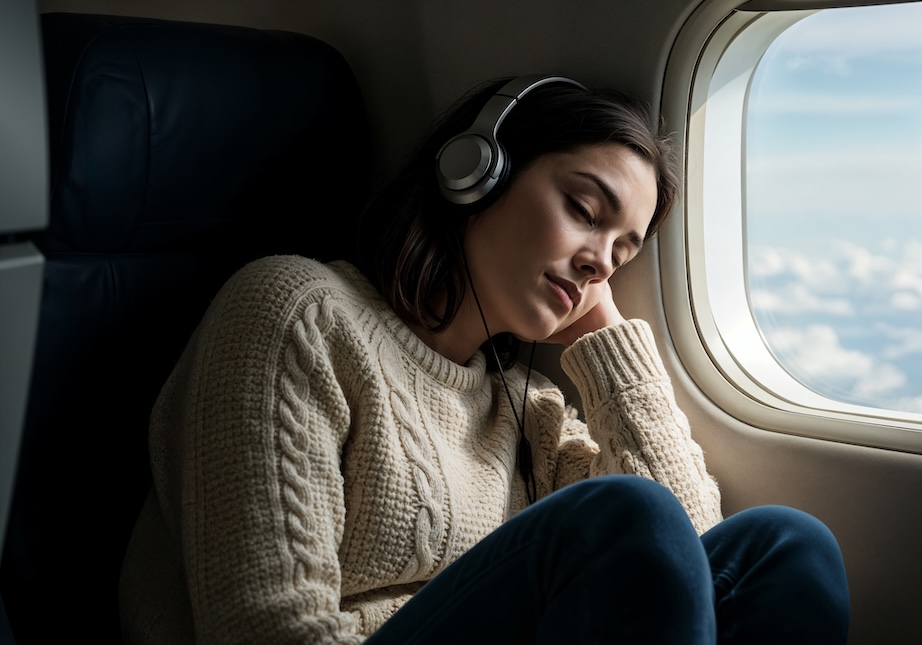
Your spine is built to move. Discs, the cushions between the vertebrae, have no direct blood supply and rely on movement to exchange fluid and nutrients, a bit like a sponge that needs to be squeezed and released. Sit motionless for hours, and that exchange slows. The result is the stiffness and dull ache you feel when you finally stand.
A standard economy seat makes it worse in a few predictable ways:
- It holds your lower back in a slightly slumped, flexed position, which loads the discs more than sitting upright does.
- The seat edge can press on the backs of your thighs, which over hours contributes to swelling and that pins-and-needles feeling.
- There is rarely real lumbar support, so the muscles that should rest end up either overworking or switching off entirely.
None of this is permanent damage for a healthy back. It is a temporary strain that adds up over a long flight, and it eases once you move. The trick is not letting it build for twelve uninterrupted hours.
The Risk Worth Taking Seriously
Beyond stiffness, prolonged immobility carries a real medical risk, and the fix is the same thing that helps your back.
There is one consequence of sitting still on a long flight that is not just about comfort. According to the CDC, sitting immobile for long periods, such as during long-distance travel, raises the risk of blood clots in the legs, known as deep vein thrombosis. The risk for most healthy travellers is low, but it rises with flight length.
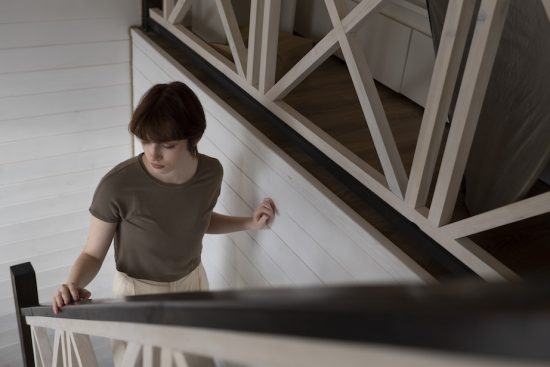
The good news is that the single best defence is also the best thing for your back: move. Getting up to walk the aisle every couple of hours, flexing your calves, and staying hydrated all help keep blood moving and joints from locking up. If you have specific risk factors for clots, talk to your doctor before a long flight rather than relying on general advice.
The Injury Nobody Sees Coming Is at Baggage Claim
The most common travel back injury is not from the flight. It is from lifting.
Here is the moment that actually sends people to a clinic after a trip. You have been folded into a seat for hours, your muscles are cold and stiff, you are dehydrated and tired, and you reach across a moving carousel to yank a fifty-pound suitcase up and toward you in one twisting motion. That combination, a cold body plus a heavy load plus a twist, is close to a textbook recipe for a strained lower back.
It is entirely avoidable:
- Wait for the bag to come to you rather than reaching across the belt.
- Square your body to it, bend at the hips and knees, and lift close to your body rather than at arm’s length.
- Do not twist while loaded. Turn your feet, not just your torso.
The same logic applies to hoisting a bag into an overhead bin. Lift in stages, to the seat first, then up, rather than pressing dead weight overhead in one go from a standing-in-the-aisle position.
A Simple Before, During, and After Plan
You do not need special equipment. You need to keep moving and lift smart.
Most of staying comfortable comes down to preparation and a few in-flight habits, which fit neatly into the rest of your trip planning.
Before you fly, build movement into the day rather than arriving already stiff. A walk before a long sit helps, and packing smart so your carry-on is not a backbreaker is part of good travel planning, not an afterthought. Hydrate well, because cabin air is dry and dehydration makes everything feel worse.
When in-flight, give yourself the general guideline to move something every hour. When possible, stand and walk, stretch your shoulders, slowly rotate your ankles, and change the position in which you sit regularly. Having a rolled blanket or a jacket between your lower back and the seat will provide additional support.
After you land, resist the urge to collapse. A short walk loosens everything the flight tightened, and managing your body is part of staying healthy on the road, not something to deal with only once you are home.
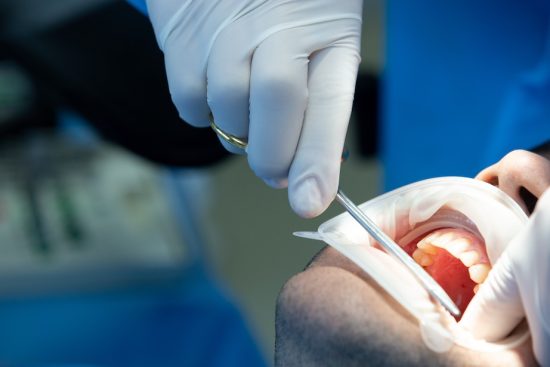
If the stiffness turns into pain that lingers more than a few days, or if you tweaked something lifting a bag and it is not settling, have it looked at rather than waiting it out. A travel-related strain assessed early by an experienced chiropractor Charleston SC, is far easier to address than one you ignored for three weeks. The honest goal of that visit is restoring comfortable movement, not a dramatic cure.
Frequently Asked Questions
Quick answers to the questions travelers actually ask.
Does flying really compress your spine?
Being in a prolonged sitting position puts pressure on the spinal disks and affects their liquid exchange system, resulting in a feeling of stiffness after a flight. In the case of a normal health condition of the spine, this is a temporary effect.
Why does my lower back hurt more after a flight than after a normal day of sitting?
Because a plane seat combines a slumped position, almost no chance to get up and move, dehydration, and often a heavy lift at the end, it is the lack of movement over many hours, more than the sitting itself, that does it.
What is the single most useful thing I can do on a long flight?
Move regularly. Walking the aisle every couple of hours and flexing your legs in your seat helps your back and lowers the circulation risks of sitting still, all at once.
Is a lumbar pillow worth bringing?
Yes, it is definitely recommended for most people. The economy seats do not offer much back support, and even something as simple as a folded jacket behind your back can relieve pressure.
When should I see a professional after travel?
The pain continues to persist for several days, occurs suddenly while lifting something, or is accompanied by tingling and weakness in one leg.
The Takeaway
A long-distance flight doesn’t have to rob you of the first two days of vacation. The body deals much more favorably with sitting when it’s interrupted, so keep moving, drink plenty of water, and consider that baggage carousel a danger, not just a nuisance. Lifting your bags as though you fear they will injure you is sensible, especially since you’re cold and exhausted. By doing these simple things, you’ll provide your back with what it lacks because of the seat: motion.
Contributed posts are advertisements written by third parties who have paid Woman Around Town for publication.