

Homeowners have stopped looking at emergencies as those once-in-a-lifetime situations that only happen to somebody else. Storms hit harder now, pipes fail unexpectedly, power outages last longer, and one small leak can suddenly turn into an entire weekend of ripping out flooring and drying walls. People are tired of getting caught off guard every single time something goes wrong around the house.
The interesting part is how normal emergency planning has started to feel. It no longer looks like giant disaster prep kits sitting untouched in the basement. Homeowners are weaving preparedness into regular everyday routines without making the house feel clinical or paranoid. Somebody adds leak sensors while renovating the laundry room. Another person reorganizes the garage so emergency tools stop disappearing behind old paint cans and broken chairs. Families keep contractor contacts saved right beside grocery apps and streaming passwords.
Keeping Emergency Contact Lists Accessible
One thing almost every homeowner learns eventually is that emergencies move way faster than decision-making. The second water starts dripping through the ceiling or a pipe bursts behind a wall, panic takes over immediately. Nobody suddenly becomes calm and organized during those moments. People start Googling random companies, calling numbers with no answer, scrolling through reviews half asleep, and hoping whoever picks up actually knows what they are doing.
This is why homeowners now keep emergency contractor lists ready before anything happens. People save trusted restoration teams directly into their phones or shared family apps so nobody has to think clearly during stressful situations. Some even create home emergency folders with repair contacts stored digitally. Fast access matters a lot once leaks hit because water damage emergency services often need to respond quickly before flooring, drywall, insulation, or furniture become much worse. Homeowners are realizing preparation is sometimes less about stockpiling supplies and more about removing confusion during the first critical hour when everything suddenly goes wrong.
Backup Power Planning
Power outages feel completely different today compared to years ago because homes rely on electricity for almost everything now. People work remotely, charge multiple devices constantly, depend on Wi Fi for communication, and use electric systems for heating, cooling, cooking, security, and garage access every single day. Once the power disappears, daily life falls apart surprisingly fast. A short outage feels annoying. A longer one suddenly affects food storage, work schedules, medical devices, internet access, and basic comfort, all at the same time.
People are buying generators, portable battery systems, solar backups, and emergency charging setups simply because outages happen often enough to justify the preparation. Some families focus only on essentials like refrigerators and lights, while others want enough backup power to keep larger parts of the house functional during severe weather.
Seasonal Home Inspection
Homeowners are getting a lot more organized about maintenance because random reminders and mental notes usually fail once life gets busy. A loose gutter gets ignored for months. A tiny roof issue waits until the rainy season arrives. Plumbing problems stay hidden until colder weather suddenly pushes weak pipes over the edge. People are realizing that the most expensive household emergencies usually start as smaller problems that nobody checked early enough.
That realization pushed a lot of homeowners toward seasonal maintenance calendars that break inspections into smaller, manageable routines throughout the year. Spring becomes the drainage and roof season. Summer focuses on cooling systems and outdoor repairs. Fall shifts attention toward gutters, insulation, and plumbing before temperatures drop. Winter turns into moisture monitoring and heating maintenance. Instead of trying to remember everything at once, homeowners spread maintenance across the calendar naturally. The process feels less overwhelming that way, and problems become easier to catch before they turn into giant repair bills.
Preventive Roof Monitoring
Roof damage became one of those things homeowners no longer brush off casually because everybody has heard stories about tiny exterior problems turning into huge interior disasters later. A couple of missing shingles or blocked drainage areas may not seem urgent during normal weather. Yet, one major storm can suddenly push water into ceilings, walls, insulation, and flooring incredibly fast. What makes roof issues frustrating is how quietly they spread at first. Many homeowners do not notice anything until stains appear indoors, and by then, moisture may already be sitting behind walls or inside structural materials.
This fear is pushing more homeowners into preventive roof monitoring instead of waiting for obvious leaks to show up. Some people schedule quick inspections after heavy storms. Others use drones, moisture readers, or even simple phone photos to monitor roof conditions seasonally. Gutters are getting cleaned more regularly because overflowing water often creates bigger problems than homeowners expect. Flashing, vents, and drainage points are getting checked more carefully, too.
Garage Storage Systems
Garages used to become these giant, messy storage zones where people tossed random things they did not want inside the house anymore. Holiday decorations, unused furniture, old sports gear, paint cans, extension cords, broken appliances… everything ended up stacked together until finding anything during an emergency became almost impossible. Homeowners are starting to rethink those spaces because emergencies exposed how frustrating clutter becomes once somebody suddenly needs flashlights, shut-off tools, generators, or emergency supplies quickly.
A lot of modern garage organization now revolves around accessibility instead of simply storing more stuff. Families create dedicated emergency shelves with batteries, portable chargers, lanterns, first aid kits, bottled water, and backup tools positioned where people can actually grab them fast. Utility shut-off tools are getting labeled clearly instead of being buried behind boxes nobody touches for years. Some homeowners even reorganize parking layouts so generators or emergency equipment are easier to access during storms and outages.
Smart Home Alerts
Previously, homeowners used to discover household problems way too late. Somebody comes home from work and finds water under the sink. A basement smells damp for weeks before anyone realizes moisture has been building quietly behind the walls. An HVAC system stops working during the hottest weekend of the summer because nobody noticed the warning signs earlier. Smart home technology is changing that because homes can now alert people the second something starts acting strangely instead of waiting for visible damage to appear.
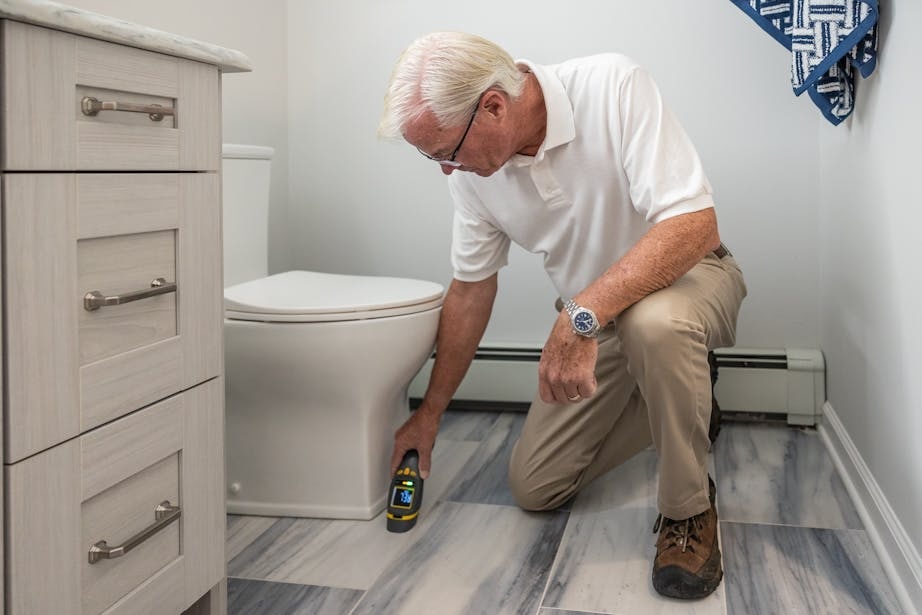
Leak sensors, humidity monitors, temperature alerts, sump pump notifications, and water usage tracking systems are becoming surprisingly common in regular households now. Homeowners place sensors near water heaters, washing machines, basements, and under sinks because those areas tend to create problems without warning. The biggest benefit is speed. A minor leak caught immediately feels very different from a leak sitting unnoticed overnight. Smart alerts give homeowners time to react while the issue still feels manageable, instead of walking into full-scale damage hours later.
Modern homeowners are becoming intentional about emergency readiness because people no longer want every household problem turning into chaos the second something breaks. The goal is not to create fear around homeownership. People simply want homes that feel easier to manage once unpredictable situations inevitably show up.
Photo by pexels.com
Contributed posts are advertisements written by third parties who have paid Woman Around Town for publication.


