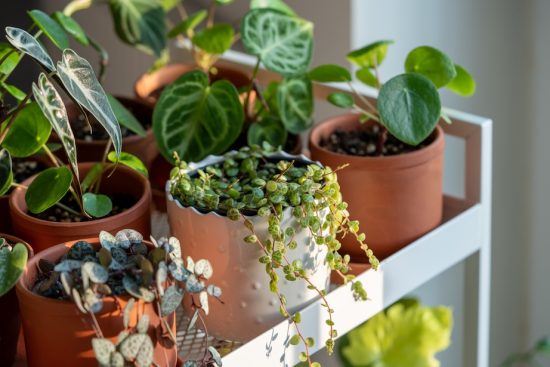
Home growing used to sound like the kind of hobby that required a greenhouse, a shed full of tools, and years of experience. That is no longer the case.
More people are starting small, often with a few pots, a sunny windowsill, or a compact indoor growing area. The appeal is easy to understand. Growing something from seed gives you a project to follow, a reason to spend more time away from screens, and a hobby that develops at its own pace.
You do not need to know everything before you begin. In fact, most of the learning happens as you go.
Start With the Space You Already Have
A balcony, patio, windowsill, spare corner, or small patch of garden can all be enough. What matters more is understanding the conditions you have. Before choosing what to grow, look at:
- How much natural light the space receives
- Whether the area is indoors or outdoors
- How much room plants will have as they mature
- How easy it will be to water and maintain them
- Whether the plants you are considering are suitable for your local climate
It also helps to avoid trying to grow too much at once. A couple of plants will teach you far more than a crowded setup that becomes difficult to manage.
Growing From Seed Is Easier When You Keep It Simple
There is something satisfying about starting with a seed and watching it slowly become a plant. It also gives you a clearer understanding of the growing process because you see each stage yourself.
Beginners often make things more complicated than they need to be. They buy too much equipment, change several things at once, or assume every small change in a plant means something has gone wrong.
A simpler approach usually works better.
Start by choosing something you are genuinely interested in growing. Read the basic growing information before you begin, then focus on getting the fundamentals right.
That means paying attention to light, water, space, and basic care.
Specialist growing interests can follow the same principle. Adults researching legal cannabis cultivation, for example, may come across companies such as Growers Choice Seeds as they learn about different seed types and varieties. The key is to understand the plant before worrying about creating a complicated setup.
Choose What You Grow With Your Lifestyle in Mind
Some people enjoy checking plants every day and adjusting their setup as they learn. Others want something that fits around a busy schedule and requires less attention.
Your choice should also suit the space you have available.
Someone with an outdoor garden has different options from someone growing indoors. A person with a large dedicated area can approach the hobby differently from someone working with a few pots in a small apartment.
That is why researching individual varieties matters. Growers interested in legal cannabis cultivation may, for example, browse growerschoiceseeds.us to compare a particular seed variety with the space and setup they have available.
The same idea applies whether you are growing herbs, vegetables, flowers, or specialist plants. Do not choose something simply because it is popular. Choose it because you understand what it needs and believe those needs fit into your life.
Learn to Pay Attention Instead of Panicking
Plants communicate through changes. Leaves may droop. Growth may slow. Soil may dry more quickly than you expected. A plant may lean toward the light.
Beginners sometimes assume every change means disaster, but learning to observe is a large part of the hobby. Instead of changing several things at once, take a moment to look at the bigger picture.
Ask yourself what has changed recently. Has the weather become hotter? Has the plant moved to a different location? Have you been watering more often? Is it receiving the same amount of light?
Making one adjustment at a time makes it easier to understand what actually helped.
Keeping a few simple notes can be useful too. You do not need a detailed gardening journal. A quick record of when you watered, repotted, or changed the growing environment can make patterns easier to spot.
You Do Not Need to Turn It Into a Science Project
Home growing can become technical if you want it to.
Plenty of people enjoy experimenting with equipment, comparing different methods, and tracking every detail. There is nothing wrong with that.
But you do not have to approach it that way.
For many people, the enjoyment comes from the routine itself. You check your plants, water when necessary, notice new growth, and gradually become better at understanding what they need.
That can be enough.
Try not to compare your beginner setup with someone else’s highly developed garden or growing space. They may have spent years learning through mistakes. Your first attempt does not need to look perfect.
Make Growing Part of Your Routine
Home growing becomes easier when it fits naturally into your day.
You might check plants while making your morning coffee or spend a little time with them after work. Outdoor plants could become part of a weekend routine, while indoor growing can fit into shorter daily checks.
Regular attention is usually more useful than occasional bursts of effort.
It also makes the hobby more enjoyable because you notice the small changes. A new leaf, stronger growth, or the first sign of a seedling breaking through the soil can feel surprisingly rewarding when you have followed the process from the beginning.
That is part of what makes home growing so accessible. You do not need to make it the center of your life. You simply need to make a little room for it.
Final Thoughts
Home growing no longer belongs only to people with years of gardening experience. Beginners can start with a small space, a manageable number of plants, and a willingness to learn as they go. There will probably be mistakes along the way, but that is part of the process rather than a sign that you should stop.
Start with the space you have. Choose something that suits your lifestyle. Learn the basics, pay attention to what your plants are telling you, and resist the urge to overcomplicate everything.
You do not need to become a serious gardener. Sometimes, you just need one seed, a little patience, and the curiosity to see what happens next.
Photo Credit: Dima Berlin at iStock at Getty Images
Contributed posts are advertisements written by third parties who have paid Woman Around Town for publication.