The contained play space that gets used daily in a household with a mobile infant or toddler is subjected to a level of sustained mechanical stress that most product evaluations don’t replicate. The child who was sitting calmly in the centre of the play space at six months is pulling to stand against the panels at nine months, leaning on them with full body weight at eleven months, and systematically testing every structural connection from the inside by fourteen months. The product that looked solid in the store and felt solid on the first day of use reveals what it’s actually made of across that developmental progression, and the evaluation that catches the products that hold up through it requires looking at different variables from the ones that a showroom try or an online review of initial impressions captures.
What Panel Rigidity Determines
The panels of baby play pens have certain rigidity. Under lateral load, it directly tells whether the play space remains an effective containment barrier. A panel that greatly flexes when a child leans against it conveys to the child that sustained effort produces movement. This is a communication that most toddlers find worth acting on repeatedly.
The rigidity test that’s worth conducting before purchase is applying lateral pressure to the panel at the height the child will use as a pull-up point, which is the top rail in most designs, and assessing whether the flex produced is minimal or significant. A panel that moves noticeably under adult hand pressure won’t hold its position under a determined toddler working at it repeatedly across an afternoon.
The connection points between panels are where rigidity either transfers across the assembled structure or breaks down. A panel that’s individually rigid but connects to adjacent panels through a joint with significant play produces an assembled structure that flexes at the joints under lateral load regardless of how rigid the individual panels are. The joint quality, how tightly the locking mechanism engages, and how much movement exists between connected panels is the variable that determines whether the assembled structure behaves as a rigid unit or as a collection of individually rigid components with flexible connections between them.
What Floor Surface Specification Determines for Safety
The floor surface of a contained play space is the surface a child falls onto across every session of use, at every stage of development from sitting to pulling to standing to the inevitable falls that accompany early walking attempts. A play space without an integrated floor surface relies entirely on whatever the household’s floor provides, which may be adequate and may not be, depending on the floor type and whether the play space is used consistently in the same location.
An integrated foam floor provides consistent impact absorption regardless of the underlying surface, which matters for families who move the play space between rooms or use it in a space with hard flooring. The foam specification, density and thickness, determines how much impact protection is actually provided, and products whose foam floor is present but insufficient in density compress almost immediately under load. Testing the foam floor by pressing a hand into it firmly and assessing whether it bottoms out quickly, meaning the hand reaches the hard floor below with minimal resistance, identifies the products whose floor specification is nominal.
How Gate Mechanism Design Affects Daily Safety
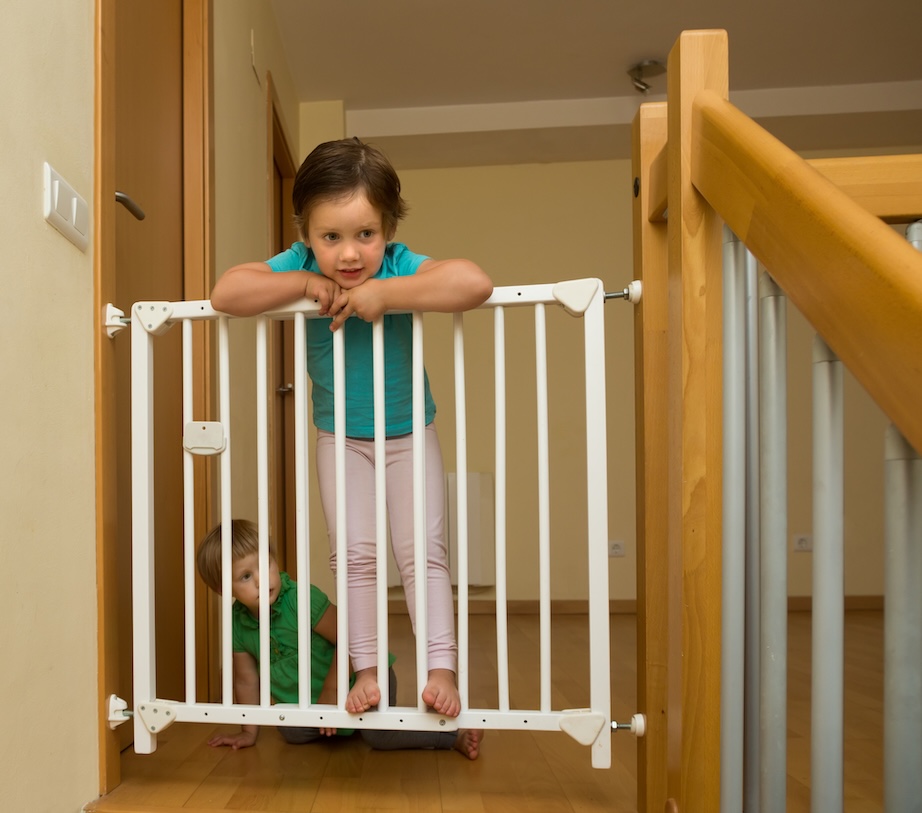
The gate that allows the parent to place the child in and remove them from the play space is operated multiple times daily, and its mechanism design determines whether it functions as intended under the one-handed operation that most of those uses involve. A gate requiring two hands to open correctly produces the workaround of leaving it open during transitions, which removes the containment function the play space was purchased to provide.
The locking mechanism on the gate also needs to be assessable for child resistance from the inside, because the child who discovers that the gate opens with enough manipulation at the latch point has discovered an exit route the gate was supposed to prevent. A latch mechanism that requires a specific adult hand movement to release, one that a child’s reach and grip strength can’t replicate, provides security that a simpler push or pull mechanism doesn’t maintain as the child’s dexterity develops.
Image by bearfotos on Magnific
Contributed posts are advertisements written by third parties who have paid Woman Around Town for publication.